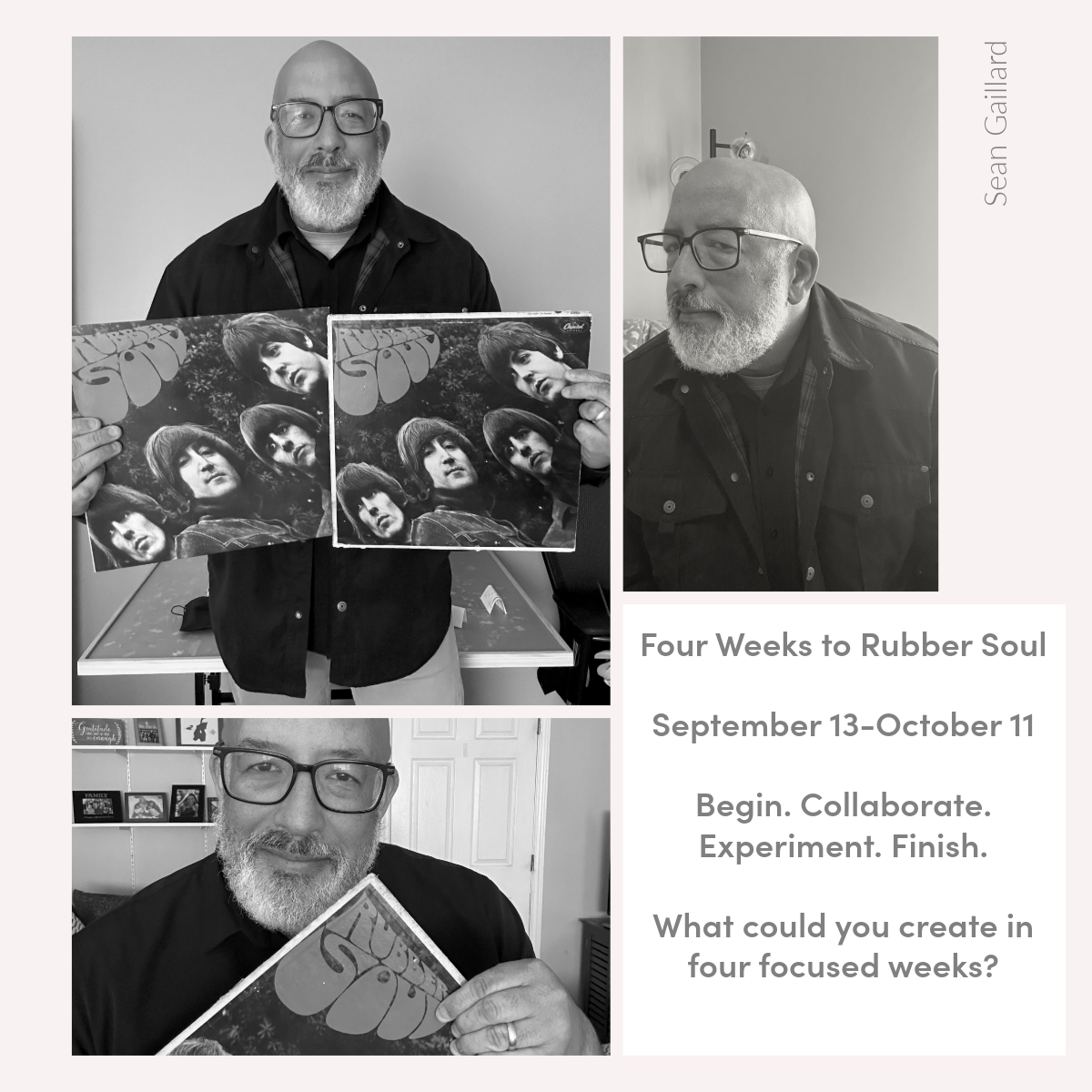
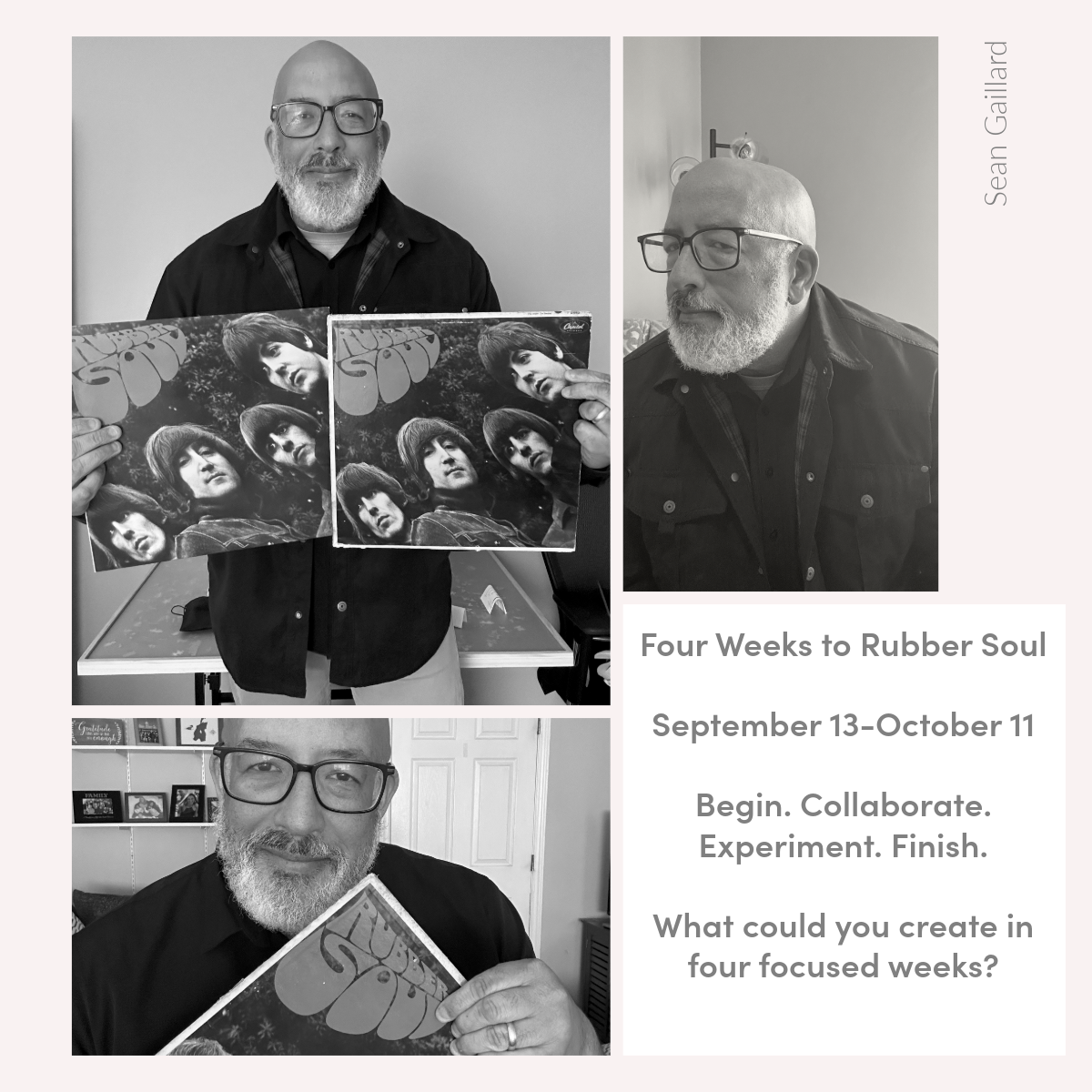
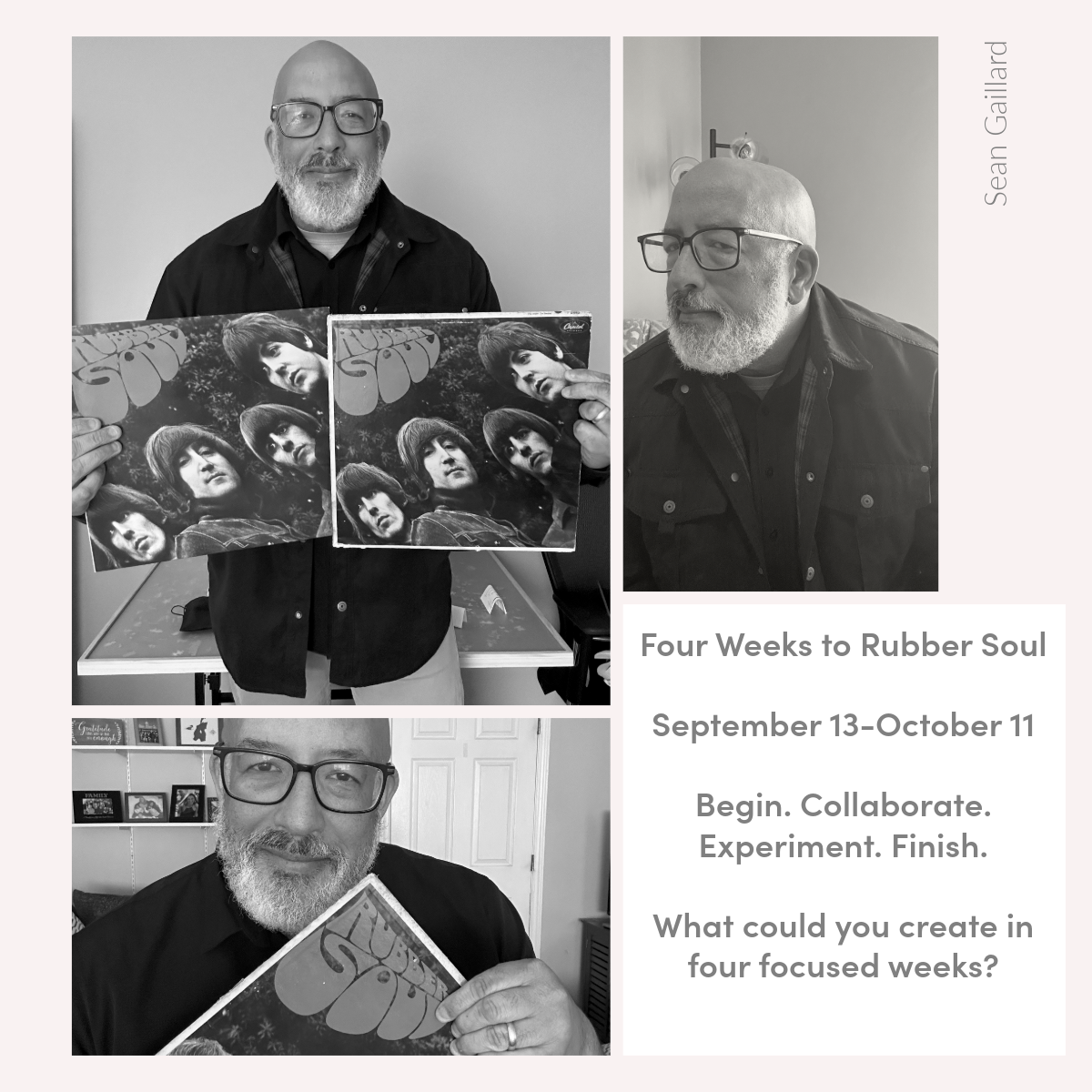
By the time The Beatles entered the recording studio in October 1965 to begin work on “Rubber Soul,” they had already conquered the world. Their early songwriting had established them as an extraordinary creative force. Songs like “She Loves You” and “I Want to Hold Your Hand” had helped define an entire generation.
They could have continued following that successful formula. Their audience certainly loved it. Instead, The Beatles decided to venture beyond the familiar and take some creative risks.
Listen to “Nowhere Man,” “Norwegian Wood,” and “In My Life.” These songs reveal a band growing beyond its earlier creative boundaries. Their songwriting was becoming more introspective, their musical influences were expanding, and their willingness to experiment was increasingly evident. There was a maturity emerging in their music that went beyond the familiar love songs of Beatlemania.
The Beatles were not rejecting their past. They were discovering their future. Sometimes, that is precisely what taking a creative risk can accomplish.
The Risk of Putting Yourself Out There
Earlier this year, I submitted a book proposal about an album I deeply love. I invested considerable time, research, and personal energy into the project. Nearly five months later, I am still waiting for a response.
Some mornings, the uncertainty weighs heavily. I wonder whether I should inquire about the timeline or simply continue waiting. Taking that initial creative risk was exciting. Living with the uncertainty afterward has required a different kind of courage.
I share this because I suspect some of you know that feeling. Perhaps you have submitted a manuscript, applied for an opportunity, launched a project, or shared something meaningful with the world. You have taken the risk, but the response has yet to arrive.
There is a vulnerability in putting something you believe in before an audience, an editor, or a decision maker. We hope our work will resonate. We hope someone will recognize the possibilities we see. Sometimes, however, all we can do is wait.
Here is something I am learning. Taking a risk means accepting that we cannot control the outcome. Staying creative means refusing to let that uncertainty silence our next idea.
Keep Discovering What Is Possible
The Beatles did not know exactly where their experiments on “Rubber Soul” would lead. They continued exploring anyway. Their willingness to move beyond what had already worked opened the door to an extraordinary period of creative growth.
Perhaps that is the lesson for all of us. We do not have to abandon our past accomplishments to discover new possibilities. We simply need the courage to venture beyond what is comfortable.
I am still waiting for that response to my book proposal. Regardless of the outcome, I am glad I took the risk. The experience has reminded me that creative growth requires us to embrace uncertainty rather than surrender to it.
Sometimes the greatest creative risk is walking away from what we know works to discover what might be possible.
Whatever creative risk you are contemplating today, give yourself permission to try. Your next idea deserves a chance, even when the outcome remains unknown.
When we think about The Beatles, we often focus on the finished masterpieces. We celebrate the harmonies, innovative arrangements, and timeless songwriting. What we sometimes overlook is the joy of four musicians simply playing together.
During the “Rubber Soul” sessions, The Beatles recorded an instrumental called “12 Bar Original.” It was a bluesy groove that owed something to the musical spirit of Booker T. & the MGs. The recording never made the album, but it offers an intriguing glimpse into the band’s creative process.
A few days later, while rehearsing George Harrison’s “Think for Yourself,” the Beatles were joking, improvising, and laughing as George Martin recorded their exchanges. These were musicians working under intense pressure to finish an album, yet they still found room for a little fun.
There is something wonderfully human about these moments. Even The Beatles needed opportunities to explore, laugh, and enjoy the experience of making music. Creativity did not always have to begin with the expectation of producing another classic.
Sometimes the most important thing we can do is give ourselves permission to play. Play is the catalyst to bring joy back into the conversation for any creative pursuit.
Here’s a question to consider: When was the last time you allowed yourself to play with an idea simply for the joy of discovering where it might lead?
Yesterday, we explored the importance of curiosity and the willingness to ask, “What if?” Curiosity opens the door to new possibilities, invites us to question familiar approaches, and encourages us to imagine something different. There is something exciting about allowing ourselves to wonder what might be possible.
Today, we take that curiosity one step further with a simple but powerful word: Try. Curiosity encourages us to imagine what might be possible, while trying requires us to take action and discover what happens.
Trying something new can be challenging. It can be uncomfortable, a little scary, and even risky. The moment we move an idea from our imagination into the world, we make ourselves vulnerable. Others might embrace what we create, question our intentions, or criticize our efforts. We might even begin questioning ourselves before anyone else has an opportunity to respond.
That is one of the challenges of creativity. We cannot always know how something will turn out until we give ourselves permission to try. There are no guarantees of acceptance, success, or even understanding. Sometimes we simply have to take a chance and see where our curiosity leads us. We cannot wait for that permission to try. Now is the time to try!
The Beatles and the Courage to Try
One of the remarkable qualities of “Rubber Soul” is the willingness of The Beatles to explore new creative territory. By the fall of 1965, they had already achieved extraordinary commercial success. They could have continued recording music using familiar approaches and formulas that had served them well. Instead, they continued pushing their sound forward. They knew that they had to grow and evolve as a band. This growth happened in the course of a month under a looming deadline from the record company.
Their songwriting was becoming more introspective, their musical influences were expanding, and their recording sessions were becoming opportunities to experiment with different sounds and arrangements. Producer George Martin played an important role in this process, helping the group translate their growing creative ambitions into the recordings we continue to enjoy today. His willingness to experiment alongside the Beatles helped create an environment where new ideas could flourish.
Consider a few examples from Rubber Soul that demonstrate this willingness to try:
On “I’m Looking Through You,” the Beatles recorded three different versions of the song before arriving at the arrangement that appeared on the album. They explored different tempos, instrumentation, and musical passages. An earlier version, eventually released on “Anthology 2,” sounds noticeably different from the familiar recording. They continued experimenting because they believed there was something more to discover within the song.
On “Girl,” John Lennon’s intimate vocal performance includes the distinctive sound of his breathing, deliberately emphasized in the recording. George Harrison’s acoustic guitar incorporates a sound inspired by Greek music, adding another dimension to the arrangement. These musical choices reflected the group’s growing interest in exploring sounds and influences beyond their earlier recordings.
Perhaps one of my favorite examples is “In My Life.” George Martin wanted to add an intricate piano solo but found that playing the passage at the desired speed presented a challenge. His solution was wonderfully inventive. He recorded the piano at half speed and played the tape back at normal speed, creating the distinctive sound that gives the song such an unforgettable musical moment.
Imagine what might have happened had Martin simply abandoned the idea because the original approach was not working. We would have missed one of the most memorable musical moments on the album. His willingness to try a different approach helped create something that continues to resonate with listeners more than sixty years later.
Each example reminds us that experimentation requires more than having an interesting idea. It requires the willingness to pursue that idea, explore different possibilities, and discover what happens. The Beatles did not know that every experiment would succeed. They simply continued trying, with George Martin serving as a creative partner who helped bring their ideas to life.
What Happens When We Try?
There is an important leadership and creativity lesson in these recording sessions. We often spend considerable time imagining what could happen if we pursued something different. We think about the possibilities, consider the challenges, and sometimes become so concerned about the outcome that we never take the first step.
What if nobody likes the idea? What if the project fails? What if someone questions our ability or criticizes our intentions? These questions can become barriers that prevent us from discovering what might be possible. We can spend so much time anticipating the reactions of others that we lose sight of the excitement that inspired our curiosity in the first place.
Trying requires us to move beyond those questions and give an idea an opportunity to develop. It also requires us to recognize that the value of our creative efforts cannot always be measured by immediate applause, widespread acceptance, or the number of people who notice our work.
Sometimes the greatest value comes from what we learn along the way. We discover new possibilities, develop greater confidence, and uncover strengths that might have remained hidden had we never attempted something different. There is growth in the process itself, even when the outcome does not match our original expectations.
Trying is not a guarantee of success. It is a commitment to possibility.
That is an important distinction because experimentation does not demand that everything work perfectly the first time. It invites us to learn from the experience, make adjustments, and continue growing. Creativity often develops through a series of attempts that move us closer to discovering something meaningful.
My Own Journey of Trying
I think about this often when I reflect on my own creative journey. Several years ago, I had an idea to write a book connecting the Beatles’ “Sgt. Pepper’s Lonely Hearts Club Band” era with leadership, creativity, collaboration, and education. On the surface, it might have seemed like an unusual combination. What could a groundbreaking album from 1967 teach us about leading schools and organizations?
I believed there was a powerful connection worth exploring. The creative spirit that made the “Sgt. Pepper” album such a remarkable achievement offered lessons that could extend far beyond the recording studio. I wanted to explore how those lessons might inspire educators and leaders to approach their work with greater imagination, courage, and collaboration.
That idea eventually became my book, The Pepper Effect. Writing it required me to step beyond familiar approaches to educational leadership and bring together two passions that had shaped my life. It was an opportunity to try something different and share a perspective that I believed could make a meaningful contribution.
It was also a risk. I encountered skepticism and my share of ridicule along the way. There were moments when I questioned whether anyone would understand what I was attempting to create. I had my own doubts about whether this approach would resonate with others.
Fortunately, I kept trying. The Pepper Effect has since reached educators and schools around the world, encouraging conversations about innovation, creativity, collaboration, and the importance of building a culture where everyone has an opportunity to contribute. The book has opened doors to meaningful conversations and connections that I could never have anticipated when I first began writing. I first knew the book had made an significant impact on others when it was adapted for stage by a school in Canada.
None of that would have happened had I allowed my doubts or the criticism of others to prevent me from moving forward. I am grateful that I took the chance, even when the outcome remained uncertain. The experience continues to remind me that some of our most meaningful creative contributions begin with the courage to pursue an idea that others might not immediately understand.
Continuing to Try
I find myself returning to this lesson as I continue creating “Four Weeks to Rubber Soul.” Every day, I am writing a new blog post and recording a new reel inspired by the creative journey of the Beatles. I am exploring ideas, making connections, and sharing reflections that I hope will encourage others to embrace creativity in their own lives and leadership.
Some posts connect with people immediately. Others receive relatively little attention. There are moments when the response is encouraging and others when I wonder whether the message is reaching anyone at all. The temptation to measure the value of creative work through views, comments, and reactions is certainly real.
In spite of all that, I am learning to appreciate something more important about this experience. Every day provides another opportunity to develop my voice, explore an idea, and create something that did not exist the day before. I am trying different approaches to communicating, connecting with an audience, and bringing my love of music into conversations about creativity and leadership.
I cannot control how many people will encounter a particular post or whether a message will resonate with everyone. I can control my willingness to keep creating and sharing the work. I can also choose to appreciate the people who are following this journey and finding something meaningful in these daily reflections.
There is a certain freedom in that realization. We do not need the approval of the masses to pursue something that matters. We do not need to know that everyone will understand our intentions. We certainly do not need a guarantee that our ideas will be immediately embraced.
We need the courage to begin and the willingness to keep learning. Sometimes that means moving forward when the applause is quiet or when our work does not receive the attention we had hoped to generate. The important thing is to remain connected to the purpose that inspired us to create in the first place.
The Beatles certainly had an audience waiting for their next release in 1965. They also had expectations surrounding their work and considerable pressure to continue delivering successful recordings. Their willingness to pursue new musical directions reminds us that creativity requires a commitment to growth, even when familiar approaches might seem more comfortable. “Rubber Soul” is an quantum leap from their previous albums and The Beatles were very much aware of that upon its release.
Give Yourself Permission to Try
As we continue our week of Experiment, I invite you to consider something you have been wanting to pursue. Perhaps it is a creative project, a different approach to leadership, an idea for your classroom, or a conversation that might open the door to something new. It might even be something you have been considering for years without finding the courage to begin.
Maybe you have been holding onto that idea because you are unsure how others will respond. Perhaps you are waiting for the perfect moment or hoping to develop enough confidence before taking the first step. There will always be reasons to hesitate, especially when we allow the possibility of criticism or disappointment to overshadow our curiosity.
Give yourself permission to try. You do not have to have every detail figured out before beginning. You can learn as you go, make adjustments when necessary, and discover possibilities that might never have occurred to you during the planning process.
The Beatles did not discover the possibilities of “Rubber Soul’ by remaining satisfied with what they already knew. They explored different sounds, experimented with recording techniques, and followed their growing curiosity into unfamiliar creative territory. Their willingness to try helped create an album that continues to inspire listeners more than sixty years later.
We have no way of knowing what our own experiments might eventually inspire. The person who needs to hear our message, experience our creativity, or benefit from our leadership might be someone we have not even met. Our willingness to try might also encourage someone else to take a chance on an idea they have been reluctant to pursue.
As I reflect on The Pepper Effect and my continuing journey with Four Weeks to Rubber Soul, I am reminded that some of the most meaningful things we create begin with a willingness to take a chance. There will be challenges, moments of uncertainty, and occasions when our efforts do not unfold as we originally imagined. Those experiences are part of the creative journey and can become opportunities to discover something new. Don’t let those doubts compel you to abandon what you are creating.
Curiosity helps us imagine what might be possible. Trying gives those possibilities a chance to become real.
Keep exploring and keep creating. Give yourself the opportunity to discover something new, even when the outcome remains uncertain. The world does not need another perfect imitation of something that already exists. It needs people who are willing to bring their unique voices, perspectives, and ideas into the creative process. You never know what might happen until you try. That simple act of courage could become the beginning of something meaningful for you and for the people who encounter your work.
Perhaps your next creative experiment will become something you never imagined possible. There is only one way to discover what that might be.
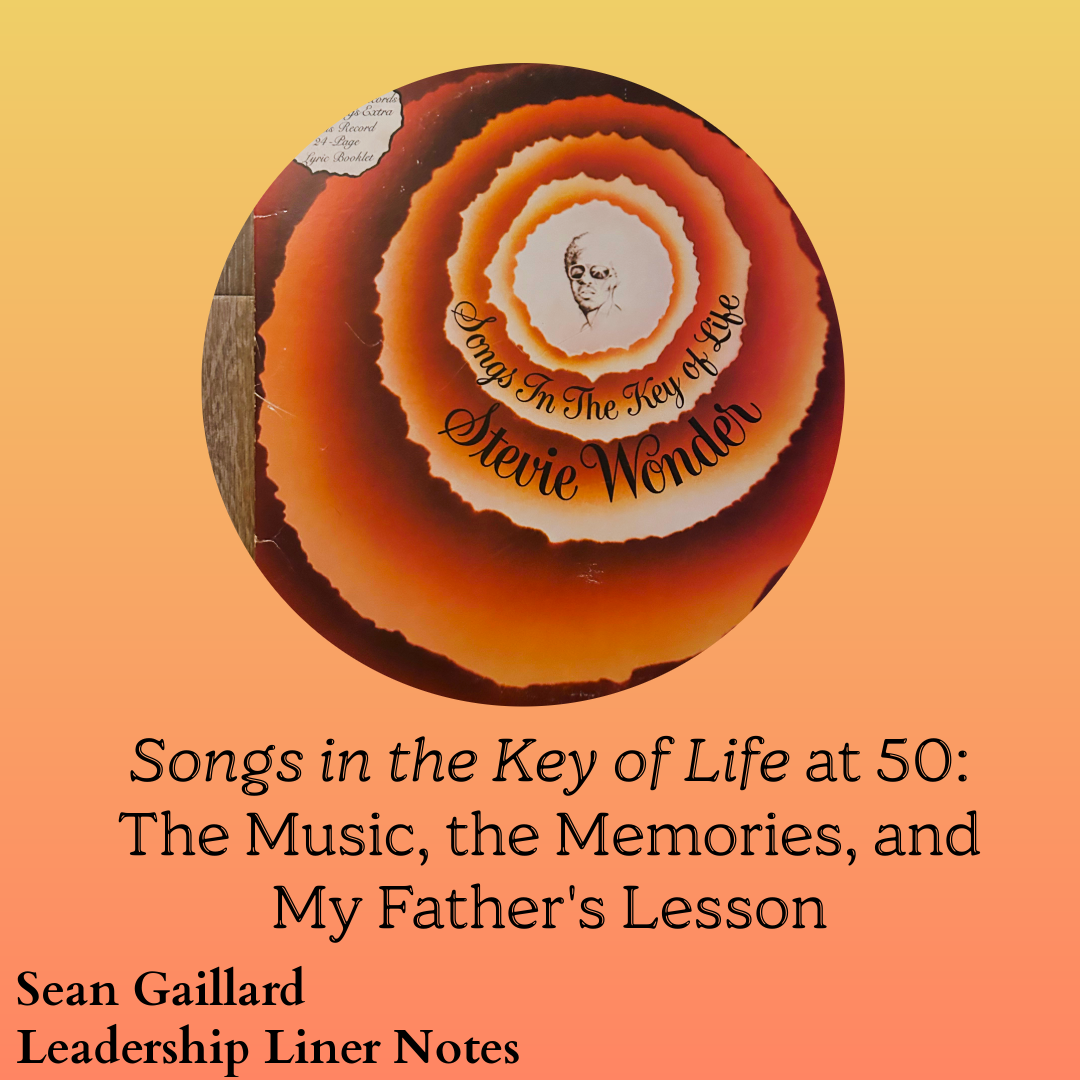
Some albums become part of our lives in ways that transcend the music itself. They become connected to the places we have called home, the people who shaped us, and the experiences that continue to influence our journey. For me, Stevie Wonder’s “Songs in the Key of Life” is one of those albums.
Today marks the 50th anniversary of this extraordinary masterpiece, originally released on September 28, 1976. As I reflect on this milestone, I find myself traveling back to my early childhood in Carson, California, where my love of music, family, and faith began taking shape.
The Soundtrack of My Childhood
I remember my dear father playing “Songs in the Key of Life” on our old stereo hi fi shortly after its release. Those songs filled our home, and I can still hear them today as vividly as I did fifty years ago. At the time, I had no idea that the music coming through those speakers would become such an important part of my life.
Carson holds a special place in my heart. Our home on Radlett Avenue provided the setting for so many memories that helped shape the person I am today. Every time I hear this album, I am transported back to those wonderful days of childhood, when life seemed filled with endless possibilities.
I remember running and dancing through the neighborhood, chasing ice cream trucks on my Big Wheel, enjoying story time with my mother, and playing catch with my father at the park. I remember dreaming about growing up to become a Jedi Knight or the Six Million Dollar Man. I was very much a product of a 1970s childhood, surrounded by the music, television, imagination, and cultural experiences of that remarkable decade.
Those memories remain precious to me. They are reminders of the love that surrounded me and the people who helped me discover the world. Whenever I return to “Songs in the Key of Life,” those feelings come rushing back.
A Remarkable Period of Creativity
Of course, “Songs in the Key of Life” represents something extraordinary beyond my personal memories. It stands as one of the defining artistic achievements of Stevie Wonder’s career and an incredible period of musical creativity.
Consider the remarkable sequence of albums he released between 1972 and 1976. There was “Music of My Mind” and “Talking Book” in 1972, followed by “Innervisions” in 1973 and “Fulfillingness’ First Finale” in 1974. Each album expanded his artistic possibilities, ultimately leading to the double album release of “Songs in the Key of Life” in 1976.
What an extraordinary creative journey! Stevie Wonder was willing to explore new sounds, embrace different musical influences, and push the boundaries of his songwriting. His music reflected the complexities of the human experience, from joy and celebration to struggle, injustice, spirituality, and love.
The result was an album filled with songs that continue to speak across generations. From the celebration of musical greatness in “Sir Duke” to the tenderness of “Isn’t She Lovely,” the social commentary of “Village Ghetto Land,” and the enduring message of love in “As,” the album offers a remarkable portrait of life itself.
There is a reason this music continues to resonate fifty years later. Stevie Wonder created something that speaks to our shared humanity while also allowing each listener to discover a deeply personal connection.
My Father’s Lesson About Love
Of all the memories associated with this album, one remains especially meaningful. It involves my father, a classroom at St. Philomena Catholic Church in Carson, and the song “As.”
My father was teaching a CCD class at our parish, and he decided to bring his copy of “Songs in the Key of Life” to share with the students. Rather than relying solely on a traditional lesson, he used music to communicate something profound about faith and the nature of God’s love.
He played “As” for the class. I remember my father in deep voice annotating the song and connecting the song to Scripture. Even though my father was teaching the class, I felt like he was talking directly to me. He was imparting the infinite nature of God’s love to me. He was giving me the gift of Faith. He was embedding a lesson in me that I would carry with me all my life and then pass on to my three daughters.
If you know the song, you understand its extraordinary message about the enduring and seemingly limitless nature of love. My father used that message to help his students understand the infinite love that God has for each of us. He connected a contemporary song to a timeless spiritual truth, making that lesson relevant, accessible, and meaningful I have carried that memory throughout my life.
My father could have taught that lesson in any number of ways. He chose to bring something familiar and beautiful into the classroom to help his students make a connection. He understood that music could communicate an idea in ways that ordinary explanations sometimes cannot.
Looking back, I recognize just how influential that experience became for me. My father was doing something that I would eventually embrace in my own professional journey. He was using music to build understanding, create connections, and make learning come alive.
The Lesson That Became Part of My Leadership
Years later, when I became an English teacher, I frequently incorporated music into my classroom. Songs became opportunities to explore language, poetry, history, culture, and the human experience. I wanted my students to discover connections between the literature we studied and the world they inhabited. I wanted learning to be something they could feel as well as understand.
That philosophy continued to shape my work when I became a school leader. Music has remained an important part of how I communicate, connect with others, and think about leadership. It has helped me consider how creativity, collaboration, belonging, and human connection can transform our schools and organizations.
There is something powerful about recognizing that a single childhood experience can influence an entire professional journey. My father probably never imagined that bringing a Stevie Wonder album into his CCD classroom would help shape the educator and leader his son would eventually become.
Yet, that is exactly what happened. I am a better father, husband, and teacher because of that event.
His lesson reminds me that meaningful teaching is not always about following a prescribed approach. Sometimes the most lasting learning happens when we connect with people through something they already love. Sometimes a song can help us understand an idea that might otherwise remain abstract.
The best educators and leaders recognize the importance of making those connections. They understand that people remember how an experience made them feel, especially when it brings them closer to something meaningful.
Fifty Years Later, the Music Plays On
Today, the celebration of Songs in the Key of Life includes an additional gift. Stevie Wonder has released a new four song EP featuring previously unreleased recordings from the original album sessions. It is wonderful to know that fifty years later, there is still more music to discover from this remarkable creative period.
For me, though, the greatest gift of this anniversary is the opportunity to revisit the memories and people connected to the album. I think about my father and mother, our home on Radlett Avenue, the joy of growing up in Carson, and the music that accompanied those formative years.
I think about the little boy who listened to Stevie Wonder through the family stereo without realizing how deeply those songs would become woven into his life. I also think about the father who understood that music could teach us something about love, faith, and our responsibilities to one another.
Fifty years later, I am still learning from that example. As spin the album today, the learning continues and my gratitude for what my father taught me grows.
Perhaps that is one of the greatest gifts of music. It allows us to return to places and moments that continue to live within us. A familiar melody can reconnect us with the people who loved us, the lessons that shaped us, and the dreams that helped us become who we are today.
As I listen to “Songs in the Key of Life” on this anniversary, I am filled with gratitude for Stevie Wonder’s artistry and for the family that introduced me to his music. I am equally grateful for the lasting influence of my father’s example, which continues to guide my work as an educator, leader, and lifelong learner.
The album may be fifty years old, but its music continues to inspire new connections, memories, and possibilities. For this boy from Carson, California, the songs will always be connected to the life I have been fortunate enough to experience.
Thank you, Stevie Wonder, for the music. Thank you, Dad, for the lessons and the love.
This is Day 15 of Four Weeks to Rubber Soul, which means we have reached the halfway point of our month together. We have spent the past two weeks exploring the creative journey The Beatles took during the fall of 1965 as they recorded Rubber Soul along with “Day Tripper” and “We Can Work It Out.” Those two songs were released separately from the album as their first double A side single.
I am grateful for everyone who has followed these daily blog posts and reels, shared them, reposted them, or offered a nudge of encouragement along the way. If you have missed a day or fallen behind, there is no checklist, deadline, or test waiting at the end. Creativity does not always move according to a schedule. Sometimes we need room to explore, wander, return, and move at the pace that helps the work grow.
Today also begins a new week and a new theme: Experiment. Our word for Day 15 is Curiosity, because experimentation usually begins with one of the simplest and most powerful creative questions we can ask:
What if?
That question seems especially fitting for Rubber Soul. The Beatles were increasingly interested in finding different sounds, trying unfamiliar instruments, and pushing beyond the musical boundaries that had defined their earlier recordings. George Martin later recalled that they were constantly experimenting with unusual sounds and bringing new ideas into the studio.
Imagine some of the questions surrounding those sessions. What if George Harrison tried a sitar on “Norwegian Wood?” What if a piano part could be manipulated to create a completely different texture? What if another harmony changed the emotional feel of a passage? What if an unexpected percussion sound gave a song exactly what it needed?
Those questions may be imagined, but the experimentation behind them was very real. George Harrison brought the sitar into “Norwegian Wood,” one of the album’s most distinctive sounds and an early sign of his growing fascination with Indian music. The larger spirit of Rubber Soul was one of exploration, with the band deliberately searching for sounds and approaches they had not used before.
“What if?” is an essential question for any creative pursuit because it creates room for possibility. It moves us beyond the safety of what we already know and invites us to explore what might happen next. Curiosity opens the door to conversation, experimentation, collaboration, and discovery.
The best part is that asking the question does not require knowing the answer. Creativity rarely gives us that luxury. Sometimes we simply have to follow the idea, try the sound, write the paragraph, make the call, invite the collaboration, or test the possibility.
What question are you willing to follow as you work to ship something that matters? What question could invite a new idea, a different perspective, or an unexpected collaboration into your work?
Curiosity gives us permission to wonder before we know. Experimentation gives us permission to find out.
As we wrap up week two of “Four Weeks’ to Rubber Soul,” our landing for today’s word is “Give.” The word blends in as suitable ending for the 2nd week theme of the series being “Collaborate.” Each member of The Beatles willing give of their strengths, ideas, and talents on each track of the “Rubber Soul” album. Their actions serve as a solid lesson for what it means to be a supportive collaborator in the creative process.
For us, the lesson from The Beatles is to give your part everything you have. On Rubber Soul, nobody simply showed up and occupied a role. John brought songs, voice, rhythm guitar, vulnerability, humor, and increasingly personal writing. Paul brought songs, bass lines, harmonies, musical imagination, and an instinct for arrangement. George brought guitar textures, harmony, songwriting, and the sitar that helped transform “Norwegian Wood.” Ringo brought the pulse, feel, personality, and exactly the kind of drumming each song needed. George Martin and the Abbey Road team also gave their creativity to the record. Each groove on the album is filled with sonic excellence.
The lesson becomes bigger than The Beatles. Giving does not require being the person in the spotlight. Giving means bringing your full contribution to the work because the work matters and because your bandmates matter. When you have a full balance of mattering among bandmates, the desire to give of yourself is heightened. It’s a beautiful thing when it happens in within the realm of any team, organization, or creative collaboration.
You may be wondering what is it that you have to give to a band. Ringo Starr once said in The Beatles Anthology documentary that when The Beatles got to focusing on the music, they put in “a thousand percent.” He is talking about this in relation to their final studio album, Abbey Road. That 1000% contribution factor is all over Rubber Soul. Each Beatle brought something different, but each one gave himself to the song.
You do not have to give what somebody else gives. Give what is yours to give. Bring your voice. Bring your gift. Bring your effort. Believe that you have to give matters and helps make the world a better place. The band becomes stronger when everyone gives something to the song.
Today is Day 13 of Four Weeks to Rubber Soul, and the word for today is Persist. I have to admit that I am feeling this word in a very real way right now because this series has been more emotionally challenging than I expected.
I have been showing up every day, writing blog posts, recording reels, sharing ideas, and inviting people into the conversation. I am grateful for every person who has commented, responded, or offered encouragement, but the overall response has been pretty quiet. I would be lying if I said that did not hurt. When you put something personal into the world, you hope someone will meet you there. You hope the work will spark a thought, a conversation, or some kind of connection.
There have been moments during this series when I have wondered why I am doing it. I have asked myself whether anyone really cares about these daily reflections on creativity and “Rubber Soul.” I have wondered whether I am simply talking into the silence. Those are uncomfortable questions, but I think they belong in a series about creativity because the creative life is not always filled with applause, encouragement, or visible signs that the work is reaching anyone.
One of the things I envy about The Beatles is that they had a band. They had people in the room who could hear an idea, challenge it, improve it, add something unexpected, or simply help carry the weight of the creative process. “Rubber Soul” was created through that kind of interaction. John could bring something to Paul. Paul could bring something to John. George and Ringo brought their own voices, ideas, musicianship, and perspectives into the room. They did not have to create in complete isolation.
I do not have that kind of band for this project, and I suspect many people who are creating something meaningful do not have one either. Creativity can be an incredibly solitary pursuit. There are days filled with loneliness, uncertainty, doubt, and silence. You make the thing, send it into the world, and sometimes hear almost nothing in return. You still have to decide whether you are willing to return to the work the next day.
That is where persistence becomes important. Persistence is not pretending that the silence does not hurt. It is not acting as though encouragement, collaboration, or connection do not matter. Those things matter deeply. Persistence is choosing to continue even when the response does not match the effort and even when you wish someone were sitting beside you helping you figure out the next chord.
“Rubber Soul” reminds me that meaningful creative work often develops because people stay with the idea. Songs changed. Lyrics evolved. Arrangements were shaped and reshaped. John Lennon’s early approach to “In My Life,” for example, began as a much more literal reflection on places from his Liverpool past before developing into something more universal and emotionally resonant. The song became something greater because the creative process continued.
Persistence does not always mean stubbornly holding onto the first version of an idea. Sometimes it means staying with the work long enough to discover what the idea is trying to become. Sometimes it means returning the next morning when yesterday felt disappointing. Sometimes it simply means making the next thing even though you are not sure anyone is waiting for it.
I am beginning to realize that this may be one of the reasons I need to keep doing “Four Weeks to Rubber Soul.” My hope is not simply to talk about an album I love. My hope is that these daily blogs and reels might reach someone else who is creating alone. Maybe there is a writer, artist, educator, musician, podcaster, leader, or dreamer out there who does not have a band either.
If that is you, I hope this series can offer a little companionship. I hope these daily reflections can remind you that somebody else understands what it feels like to keep creating through uncertainty. I hope I can be a kind of bandmate from a distance, someone reminding you to keep working the song, keep following the idea, and keep believing that the creative process itself has value.
I need that kind of bandmate, too.
Maybe that is part of what I am discovering through this project. Creativity may sometimes be solitary, but it does not have to leave us completely alone. We can encourage one another. We can notice the work. We can remind each other that the quiet seasons still count and that the work happening inside us may not always be visible through comments, likes, or shares.
I am going to persist. I am going to keep writing, recording, reflecting, and following this monthlong journey wherever it leads. I still hope more people join the conversation, and I am not going to pretend that the response does not matter to me. At the same time, I am learning that the work can still matter even when the room feels quiet.
Maybe someone out there needs a bandmate today. Maybe I do, too. Until we find one another, we can keep making the music and reminding each other that we are not creating entirely alone.
That is my question for Day 13: What helps you persist when creativity feels lonely? If you are creating something and the room feels quiet, I hope you will keep going. I will be over here trying to do the same. Know that I am pulling for you and that I believe in what you have to offer.
Keep creating. Keep listening. Keep following the song. Thanks for being in the band!
What if “Drive My Car” had stayed “Golden Rings?” That may be one of the great what if questions in Beatles lyrical history. Paul McCartney came into the writing process with the beginnings of a song and an idea involving golden rings, but the idea was not quite working. Rather than protecting the first version simply because it was his, Paul kept working with John Lennon until they found a new direction. Eventually, “Drive My Car” emerged.
That story says a lot about feedback because feedback is necessary for any creative pursuit. We need thoughts, responses, questions, and ideas from other people because we cannot always see everything in our own work. We all have blind spots. Sometimes another person helps us recognize something that needs attention. Other times, feedback gives us validation that something is working and encourages us to keep moving forward.
Receiving feedback requires openness, and it also requires trust. We need people around us who understand what we are trying to accomplish and care enough to help us grow. The best feedback does not come from someone simply looking for flaws. It comes from trusted bandmates who are willing to listen, respond, challenge, encourage, and help us hear something we may be missing.
Being open to feedback does not mean we have to accept every suggestion. Feedback requires reflection and discernment because someone can offer a thoughtful idea that still may not belong in your work. Another person might notice something you initially resist, only to realize later that they were hearing something important. Creative growth requires enough confidence to maintain your own voice and enough humility to consider another perspective.
The goal of feedback is not obedience. The goal is growth, and that idea becomes even more meaningful when we look beyond “Drive My Car” and consider Rubber Soul as a whole. The album represents a moment when The Beatles knew they had to continue growing. They had already achieved extraordinary success, yet repeating what had worked before was not enough. Their songwriting was becoming more reflective, their musical palette was expanding, and new influences were finding their way into the room.
Rubber Soul is evidence of creative people taking bold initial steps toward innovation. The Beatles listened to one another, brought different ideas into the room, experimented with sounds and instruments, and allowed songs to change. They responded to new influences and trusted their evolving instincts. They did not have every future album mapped out. They simply understood that growth required movement.
That is one reason Rubber Soul continues to inspire me during this month of creativity. It offers more than a collection of incredible songs because it provides a template for creative growth.Rubber Soul reminds us to begin the work, listen to our creative muse, collaborate with kindred spirits, and experiment our expression. Like The Beatles, we welcome trusted feedback, reflect on what we hear, and keep what helps the work become stronger.
Every creative person needs people who can help them see and hear what they may be missing. The challenge is learning how to receive that perspective without surrendering your own voice. Listen with openness, give yourself time to reflect, and discern what will help the work grow. Sometimes the next creative breakthrough may begin with the willingness to hear something differently.
Today is Day 11 of Four Weeks to Rubber Soul, and our word is Mattering.
Mattering is a word that carries a great deal of meaning for me. People need more than a place in the room. We need to know that we are seen, heard, valued, and needed. We need to know that our presence makes a difference and that our gifts have a place in the band.
Rubber Soul offers a small example of that idea. John Lennon and Paul McCartney will always be at the center of The Beatles songwriting story, yet George Harrison and Ringo Starr also have meaningful space on the album. George contributed “Think for Yourself” and “If I Needed Someone.” Ringo stepped into the spotlight as the lead vocalist on “What Goes On,” which also carried his name in the songwriting credit alongside Lennon and McCartney.
I do not want to romanticize The Beatles. They experienced tension, disagreement, frustration, and complicated relationships along the way. They were human, just like us. Their story still reminds us that collaboration does not require perfect relationships. It does require making room for other people to contribute.
That is where I see the connection to mattering. A band becomes stronger when people know there is room for their voice. A team becomes stronger when people know their strengths are noticed. A community becomes stronger when people understand that they are not simply occupying a chair. Their presence, perspective, and contribution matter.
Mattering has become significant in my own leadership journey because I have seen what happens when people feel invisible. I have also seen the difference that one moment of affirmation can make. Sometimes it is noticing someone’s effort. Sometimes it is asking for an idea or opening the door for someone else to lead. Sometimes it is communicating through our words and actions, we need what you bring to this band.
Those moments do not have to be grand. George gets a song. Ringo gets a vocal. Someone else gets the microphone. Someone gets invited into the conversation. Someone hears their contribution named and appreciated. Small moves can carry tremendous weight when they help people understand that they matter.
Mattering asks us to move beyond simply inviting people into the room. It asks us to notice what they bring once they arrive. It asks us to listen for their voice, recognize their strengths, and create opportunities for those strengths to contribute to something larger.
Rubber Soul works because it sounds like a band stretching together. Different voices, different gifts, and different personalities all contribute to the record. Our organizations, classrooms, teams, creative communities, and relationships need that same spirit.
Take a look around your band today. Consider who needs to know that you see them, whose voice needs more room, and whose gift you have noticed but have not yet named. Mattering grows when we help another person understand a simple and powerful truth: You are here. I see you. We need what you bring.
Today is Day 10 of Four Weeks to Rubber Soul, and the word is Blend.
This week is centered on the theme of collaboration. We have already explored the importance of bandmates and the power of invitation. Today moves us into what happens when different voices, ideas, influences, and perspectives actually come together. When we have the combination of contributing gifts from the hands of others, beautiful synergy happens.
One of the clearest examples of “Blend” on Rubber Soul is the album’s vocal harmony. John, Paul, and George each had distinctive voices. They did not sound alike. That difference was part of the magic. Once those disparate voices blended on any given track, a new sound emerged. Songs like “Nowhere Man,” “If I Needed Someone,” “You Won’t See Me,” and “The Word” show how those individual voices could come together and create something richer.
“Rubber Soul” is an album where vocal harmony flows throughout the grooves. None of The Beatles were formally trained in crafting harmony, but the album is rife with pristine harmonies which add to the depth and humanity of the album. Just listen those wordless “Ahhhs” in the middle part of “If I Needed Someone” to get sense of their vocal artistry.
Blend does not mean sameness. Harmony actually depends on difference. Different notes, different voices, and different perspectives come together to create something fuller than any one of them could create alone. You can hear that all across Rubber Soul. Nearly every song carries some beautiful blend of voices, whether it is a harmony tucked into the background or a full vocal arrangement moving the song forward. John, Paul, George, and Ringo each sounded different, yet those differences became part of the album’s identity. Decades later, that blend still resonates. The goal is not sameness. The goal is harmony.
As you create today, think about what you might be willing to blend into your work. Whose voice might strengthen what you are creating? What different perspective could make the work richer? Keep your voice and make room for someone else’s. Bring what only you can bring, but remain open to what another person can add. Rubber Soul reminds us that when distinct voices find a way to work together, the result can become something lasting. You never know what kind of harmony might emerge when different voices meet.