By the time The Beatles entered the recording studio in October 1965 to begin work on “Rubber Soul,” they had already conquered the world. Their early songwriting had established them as an extraordinary creative force. Songs like “She Loves You” and “I Want to Hold Your Hand” had helped define an entire generation.
They could have continued following that successful formula. Their audience certainly loved it. Instead, The Beatles decided to venture beyond the familiar and take some creative risks.
Listen to “Nowhere Man,” “Norwegian Wood,” and “In My Life.” These songs reveal a band growing beyond its earlier creative boundaries. Their songwriting was becoming more introspective, their musical influences were expanding, and their willingness to experiment was increasingly evident. There was a maturity emerging in their music that went beyond the familiar love songs of Beatlemania.
The Beatles were not rejecting their past. They were discovering their future. Sometimes, that is precisely what taking a creative risk can accomplish.
The Risk of Putting Yourself Out There
Earlier this year, I submitted a book proposal about an album I deeply love. I invested considerable time, research, and personal energy into the project. Nearly five months later, I am still waiting for a response.
Some mornings, the uncertainty weighs heavily. I wonder whether I should inquire about the timeline or simply continue waiting. Taking that initial creative risk was exciting. Living with the uncertainty afterward has required a different kind of courage.
I share this because I suspect some of you know that feeling. Perhaps you have submitted a manuscript, applied for an opportunity, launched a project, or shared something meaningful with the world. You have taken the risk, but the response has yet to arrive.
There is a vulnerability in putting something you believe in before an audience, an editor, or a decision maker. We hope our work will resonate. We hope someone will recognize the possibilities we see. Sometimes, however, all we can do is wait.
Here is something I am learning. Taking a risk means accepting that we cannot control the outcome. Staying creative means refusing to let that uncertainty silence our next idea.
Keep Discovering What Is Possible
The Beatles did not know exactly where their experiments on “Rubber Soul” would lead. They continued exploring anyway. Their willingness to move beyond what had already worked opened the door to an extraordinary period of creative growth.
Perhaps that is the lesson for all of us. We do not have to abandon our past accomplishments to discover new possibilities. We simply need the courage to venture beyond what is comfortable.
I am still waiting for that response to my book proposal. Regardless of the outcome, I am glad I took the risk. The experience has reminded me that creative growth requires us to embrace uncertainty rather than surrender to it.
Sometimes the greatest creative risk is walking away from what we know works to discover what might be possible.
Whatever creative risk you are contemplating today, give yourself permission to try. Your next idea deserves a chance, even when the outcome remains unknown.
When we think about The Beatles, we often focus on the finished masterpieces. We celebrate the harmonies, innovative arrangements, and timeless songwriting. What we sometimes overlook is the joy of four musicians simply playing together.
During the “Rubber Soul” sessions, The Beatles recorded an instrumental called “12 Bar Original.” It was a bluesy groove that owed something to the musical spirit of Booker T. & the MGs. The recording never made the album, but it offers an intriguing glimpse into the band’s creative process.
A few days later, while rehearsing George Harrison’s “Think for Yourself,” the Beatles were joking, improvising, and laughing as George Martin recorded their exchanges. These were musicians working under intense pressure to finish an album, yet they still found room for a little fun.
There is something wonderfully human about these moments. Even The Beatles needed opportunities to explore, laugh, and enjoy the experience of making music. Creativity did not always have to begin with the expectation of producing another classic.
Sometimes the most important thing we can do is give ourselves permission to play. Play is the catalyst to bring joy back into the conversation for any creative pursuit.
Here’s a question to consider: When was the last time you allowed yourself to play with an idea simply for the joy of discovering where it might lead?
Yesterday, we explored the importance of curiosity and the willingness to ask, “What if?” Curiosity opens the door to new possibilities, invites us to question familiar approaches, and encourages us to imagine something different. There is something exciting about allowing ourselves to wonder what might be possible.
Today, we take that curiosity one step further with a simple but powerful word: Try. Curiosity encourages us to imagine what might be possible, while trying requires us to take action and discover what happens.
Trying something new can be challenging. It can be uncomfortable, a little scary, and even risky. The moment we move an idea from our imagination into the world, we make ourselves vulnerable. Others might embrace what we create, question our intentions, or criticize our efforts. We might even begin questioning ourselves before anyone else has an opportunity to respond.
That is one of the challenges of creativity. We cannot always know how something will turn out until we give ourselves permission to try. There are no guarantees of acceptance, success, or even understanding. Sometimes we simply have to take a chance and see where our curiosity leads us. We cannot wait for that permission to try. Now is the time to try!
The Beatles and the Courage to Try
One of the remarkable qualities of “Rubber Soul” is the willingness of The Beatles to explore new creative territory. By the fall of 1965, they had already achieved extraordinary commercial success. They could have continued recording music using familiar approaches and formulas that had served them well. Instead, they continued pushing their sound forward. They knew that they had to grow and evolve as a band. This growth happened in the course of a month under a looming deadline from the record company.
Their songwriting was becoming more introspective, their musical influences were expanding, and their recording sessions were becoming opportunities to experiment with different sounds and arrangements. Producer George Martin played an important role in this process, helping the group translate their growing creative ambitions into the recordings we continue to enjoy today. His willingness to experiment alongside the Beatles helped create an environment where new ideas could flourish.
Consider a few examples from Rubber Soul that demonstrate this willingness to try:
On “I’m Looking Through You,” the Beatles recorded three different versions of the song before arriving at the arrangement that appeared on the album. They explored different tempos, instrumentation, and musical passages. An earlier version, eventually released on “Anthology 2,” sounds noticeably different from the familiar recording. They continued experimenting because they believed there was something more to discover within the song.
On “Girl,” John Lennon’s intimate vocal performance includes the distinctive sound of his breathing, deliberately emphasized in the recording. George Harrison’s acoustic guitar incorporates a sound inspired by Greek music, adding another dimension to the arrangement. These musical choices reflected the group’s growing interest in exploring sounds and influences beyond their earlier recordings.
Perhaps one of my favorite examples is “In My Life.” George Martin wanted to add an intricate piano solo but found that playing the passage at the desired speed presented a challenge. His solution was wonderfully inventive. He recorded the piano at half speed and played the tape back at normal speed, creating the distinctive sound that gives the song such an unforgettable musical moment.
Imagine what might have happened had Martin simply abandoned the idea because the original approach was not working. We would have missed one of the most memorable musical moments on the album. His willingness to try a different approach helped create something that continues to resonate with listeners more than sixty years later.
Each example reminds us that experimentation requires more than having an interesting idea. It requires the willingness to pursue that idea, explore different possibilities, and discover what happens. The Beatles did not know that every experiment would succeed. They simply continued trying, with George Martin serving as a creative partner who helped bring their ideas to life.
What Happens When We Try?
There is an important leadership and creativity lesson in these recording sessions. We often spend considerable time imagining what could happen if we pursued something different. We think about the possibilities, consider the challenges, and sometimes become so concerned about the outcome that we never take the first step.
What if nobody likes the idea? What if the project fails? What if someone questions our ability or criticizes our intentions? These questions can become barriers that prevent us from discovering what might be possible. We can spend so much time anticipating the reactions of others that we lose sight of the excitement that inspired our curiosity in the first place.
Trying requires us to move beyond those questions and give an idea an opportunity to develop. It also requires us to recognize that the value of our creative efforts cannot always be measured by immediate applause, widespread acceptance, or the number of people who notice our work.
Sometimes the greatest value comes from what we learn along the way. We discover new possibilities, develop greater confidence, and uncover strengths that might have remained hidden had we never attempted something different. There is growth in the process itself, even when the outcome does not match our original expectations.
Trying is not a guarantee of success. It is a commitment to possibility.
That is an important distinction because experimentation does not demand that everything work perfectly the first time. It invites us to learn from the experience, make adjustments, and continue growing. Creativity often develops through a series of attempts that move us closer to discovering something meaningful.
My Own Journey of Trying
I think about this often when I reflect on my own creative journey. Several years ago, I had an idea to write a book connecting the Beatles’ “Sgt. Pepper’s Lonely Hearts Club Band” era with leadership, creativity, collaboration, and education. On the surface, it might have seemed like an unusual combination. What could a groundbreaking album from 1967 teach us about leading schools and organizations?
I believed there was a powerful connection worth exploring. The creative spirit that made the “Sgt. Pepper” album such a remarkable achievement offered lessons that could extend far beyond the recording studio. I wanted to explore how those lessons might inspire educators and leaders to approach their work with greater imagination, courage, and collaboration.
That idea eventually became my book, The Pepper Effect. Writing it required me to step beyond familiar approaches to educational leadership and bring together two passions that had shaped my life. It was an opportunity to try something different and share a perspective that I believed could make a meaningful contribution.
It was also a risk. I encountered skepticism and my share of ridicule along the way. There were moments when I questioned whether anyone would understand what I was attempting to create. I had my own doubts about whether this approach would resonate with others.
Fortunately, I kept trying. The Pepper Effect has since reached educators and schools around the world, encouraging conversations about innovation, creativity, collaboration, and the importance of building a culture where everyone has an opportunity to contribute. The book has opened doors to meaningful conversations and connections that I could never have anticipated when I first began writing. I first knew the book had made an significant impact on others when it was adapted for stage by a school in Canada.
None of that would have happened had I allowed my doubts or the criticism of others to prevent me from moving forward. I am grateful that I took the chance, even when the outcome remained uncertain. The experience continues to remind me that some of our most meaningful creative contributions begin with the courage to pursue an idea that others might not immediately understand.
Continuing to Try
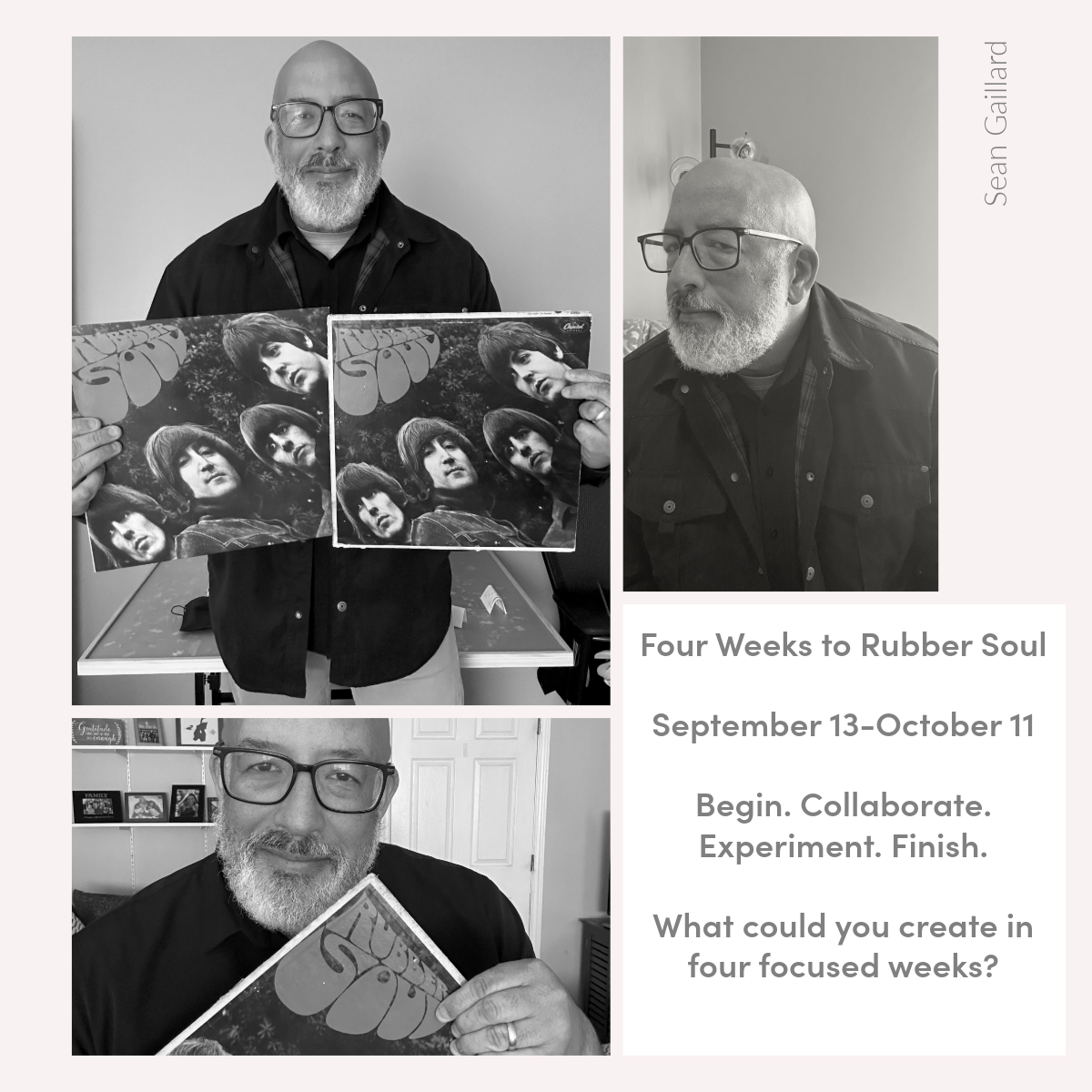
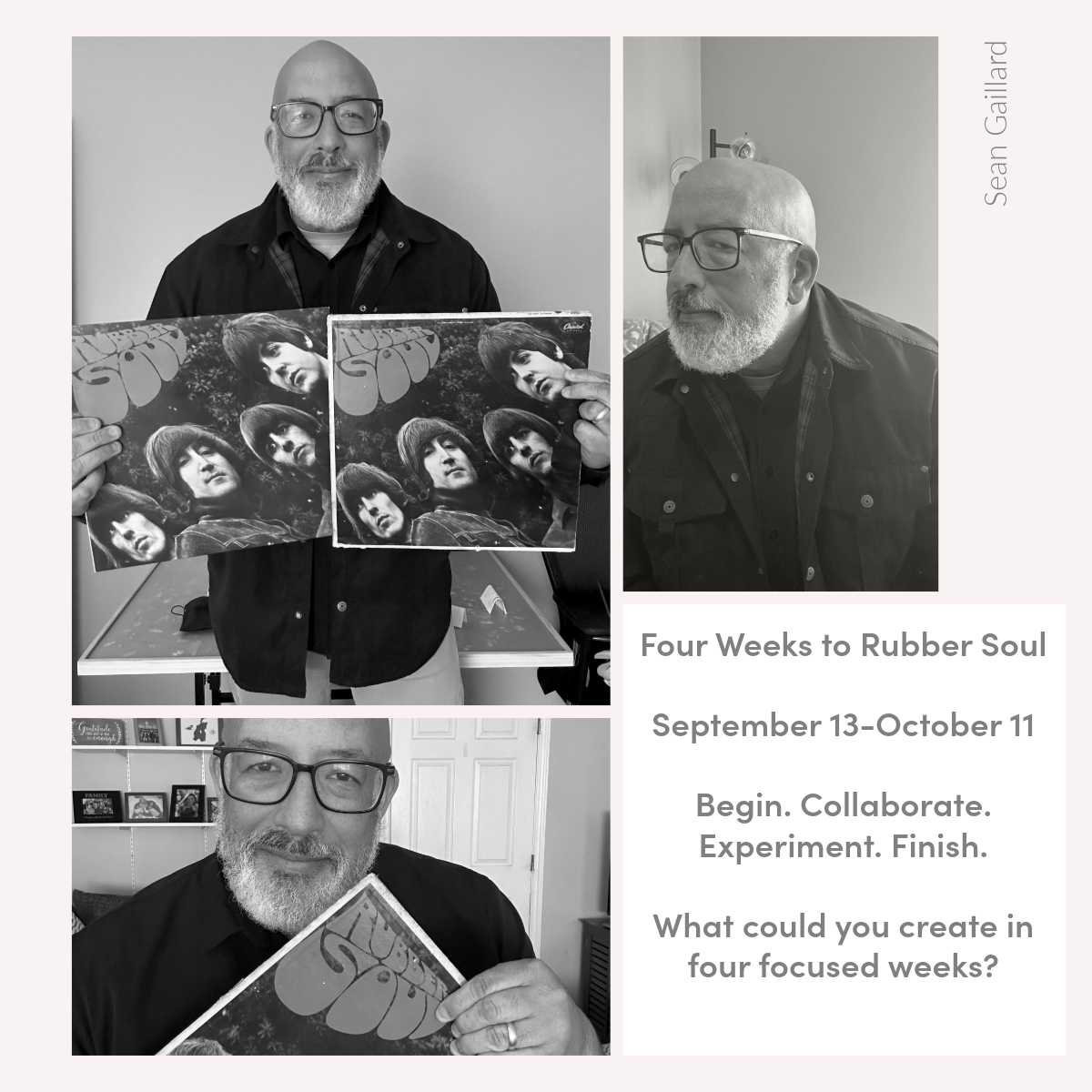
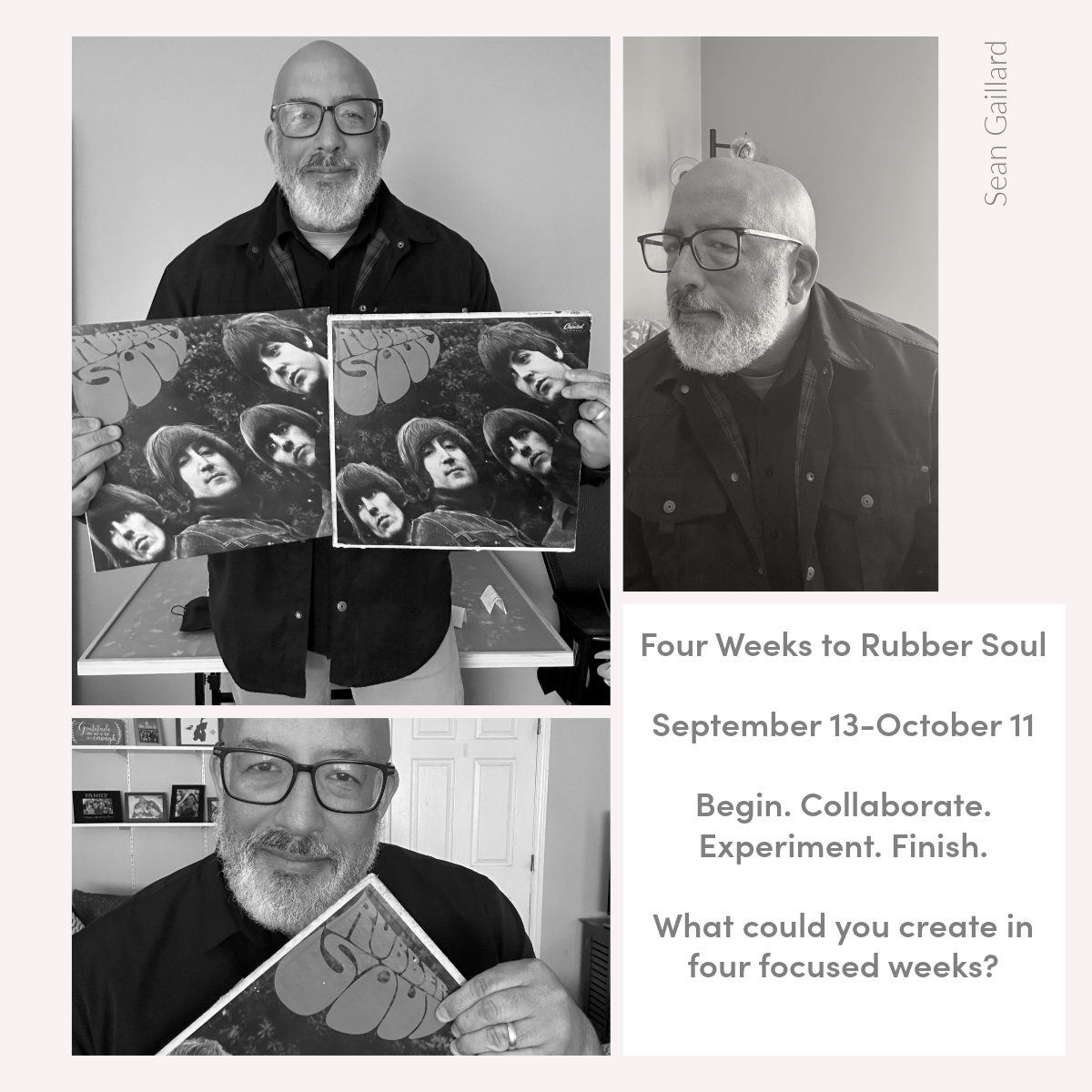
I find myself returning to this lesson as I continue creating “Four Weeks to Rubber Soul.” Every day, I am writing a new blog post and recording a new reel inspired by the creative journey of the Beatles. I am exploring ideas, making connections, and sharing reflections that I hope will encourage others to embrace creativity in their own lives and leadership.
Some posts connect with people immediately. Others receive relatively little attention. There are moments when the response is encouraging and others when I wonder whether the message is reaching anyone at all. The temptation to measure the value of creative work through views, comments, and reactions is certainly real.
In spite of all that, I am learning to appreciate something more important about this experience. Every day provides another opportunity to develop my voice, explore an idea, and create something that did not exist the day before. I am trying different approaches to communicating, connecting with an audience, and bringing my love of music into conversations about creativity and leadership.
I cannot control how many people will encounter a particular post or whether a message will resonate with everyone. I can control my willingness to keep creating and sharing the work. I can also choose to appreciate the people who are following this journey and finding something meaningful in these daily reflections.
There is a certain freedom in that realization. We do not need the approval of the masses to pursue something that matters. We do not need to know that everyone will understand our intentions. We certainly do not need a guarantee that our ideas will be immediately embraced.
We need the courage to begin and the willingness to keep learning. Sometimes that means moving forward when the applause is quiet or when our work does not receive the attention we had hoped to generate. The important thing is to remain connected to the purpose that inspired us to create in the first place.
The Beatles certainly had an audience waiting for their next release in 1965. They also had expectations surrounding their work and considerable pressure to continue delivering successful recordings. Their willingness to pursue new musical directions reminds us that creativity requires a commitment to growth, even when familiar approaches might seem more comfortable. “Rubber Soul” is an quantum leap from their previous albums and The Beatles were very much aware of that upon its release.
Give Yourself Permission to Try
As we continue our week of Experiment, I invite you to consider something you have been wanting to pursue. Perhaps it is a creative project, a different approach to leadership, an idea for your classroom, or a conversation that might open the door to something new. It might even be something you have been considering for years without finding the courage to begin.
Maybe you have been holding onto that idea because you are unsure how others will respond. Perhaps you are waiting for the perfect moment or hoping to develop enough confidence before taking the first step. There will always be reasons to hesitate, especially when we allow the possibility of criticism or disappointment to overshadow our curiosity.
Give yourself permission to try. You do not have to have every detail figured out before beginning. You can learn as you go, make adjustments when necessary, and discover possibilities that might never have occurred to you during the planning process.
The Beatles did not discover the possibilities of “Rubber Soul’ by remaining satisfied with what they already knew. They explored different sounds, experimented with recording techniques, and followed their growing curiosity into unfamiliar creative territory. Their willingness to try helped create an album that continues to inspire listeners more than sixty years later.
We have no way of knowing what our own experiments might eventually inspire. The person who needs to hear our message, experience our creativity, or benefit from our leadership might be someone we have not even met. Our willingness to try might also encourage someone else to take a chance on an idea they have been reluctant to pursue.
As I reflect on The Pepper Effect and my continuing journey with Four Weeks to Rubber Soul, I am reminded that some of the most meaningful things we create begin with a willingness to take a chance. There will be challenges, moments of uncertainty, and occasions when our efforts do not unfold as we originally imagined. Those experiences are part of the creative journey and can become opportunities to discover something new. Don’t let those doubts compel you to abandon what you are creating.
Curiosity helps us imagine what might be possible. Trying gives those possibilities a chance to become real.
Keep exploring and keep creating. Give yourself the opportunity to discover something new, even when the outcome remains uncertain. The world does not need another perfect imitation of something that already exists. It needs people who are willing to bring their unique voices, perspectives, and ideas into the creative process. You never know what might happen until you try. That simple act of courage could become the beginning of something meaningful for you and for the people who encounter your work.
Perhaps your next creative experiment will become something you never imagined possible. There is only one way to discover what that might be.
As we wrap up week two of “Four Weeks’ to Rubber Soul,” our landing for today’s word is “Give.” The word blends in as suitable ending for the 2nd week theme of the series being “Collaborate.” Each member of The Beatles willing give of their strengths, ideas, and talents on each track of the “Rubber Soul” album. Their actions serve as a solid lesson for what it means to be a supportive collaborator in the creative process.
For us, the lesson from The Beatles is to give your part everything you have. On Rubber Soul, nobody simply showed up and occupied a role. John brought songs, voice, rhythm guitar, vulnerability, humor, and increasingly personal writing. Paul brought songs, bass lines, harmonies, musical imagination, and an instinct for arrangement. George brought guitar textures, harmony, songwriting, and the sitar that helped transform “Norwegian Wood.” Ringo brought the pulse, feel, personality, and exactly the kind of drumming each song needed. George Martin and the Abbey Road team also gave their creativity to the record. Each groove on the album is filled with sonic excellence.
The lesson becomes bigger than The Beatles. Giving does not require being the person in the spotlight. Giving means bringing your full contribution to the work because the work matters and because your bandmates matter. When you have a full balance of mattering among bandmates, the desire to give of yourself is heightened. It’s a beautiful thing when it happens in within the realm of any team, organization, or creative collaboration.
You may be wondering what is it that you have to give to a band. Ringo Starr once said in The Beatles Anthology documentary that when The Beatles got to focusing on the music, they put in “a thousand percent.” He is talking about this in relation to their final studio album, Abbey Road. That 1000% contribution factor is all over Rubber Soul. Each Beatle brought something different, but each one gave himself to the song.
You do not have to give what somebody else gives. Give what is yours to give. Bring your voice. Bring your gift. Bring your effort. Believe that you have to give matters and helps make the world a better place. The band becomes stronger when everyone gives something to the song.
What if “Drive My Car” had stayed “Golden Rings?” That may be one of the great what if questions in Beatles lyrical history. Paul McCartney came into the writing process with the beginnings of a song and an idea involving golden rings, but the idea was not quite working. Rather than protecting the first version simply because it was his, Paul kept working with John Lennon until they found a new direction. Eventually, “Drive My Car” emerged.
That story says a lot about feedback because feedback is necessary for any creative pursuit. We need thoughts, responses, questions, and ideas from other people because we cannot always see everything in our own work. We all have blind spots. Sometimes another person helps us recognize something that needs attention. Other times, feedback gives us validation that something is working and encourages us to keep moving forward.
Receiving feedback requires openness, and it also requires trust. We need people around us who understand what we are trying to accomplish and care enough to help us grow. The best feedback does not come from someone simply looking for flaws. It comes from trusted bandmates who are willing to listen, respond, challenge, encourage, and help us hear something we may be missing.
Being open to feedback does not mean we have to accept every suggestion. Feedback requires reflection and discernment because someone can offer a thoughtful idea that still may not belong in your work. Another person might notice something you initially resist, only to realize later that they were hearing something important. Creative growth requires enough confidence to maintain your own voice and enough humility to consider another perspective.
The goal of feedback is not obedience. The goal is growth, and that idea becomes even more meaningful when we look beyond “Drive My Car” and consider Rubber Soul as a whole. The album represents a moment when The Beatles knew they had to continue growing. They had already achieved extraordinary success, yet repeating what had worked before was not enough. Their songwriting was becoming more reflective, their musical palette was expanding, and new influences were finding their way into the room.
Rubber Soul is evidence of creative people taking bold initial steps toward innovation. The Beatles listened to one another, brought different ideas into the room, experimented with sounds and instruments, and allowed songs to change. They responded to new influences and trusted their evolving instincts. They did not have every future album mapped out. They simply understood that growth required movement.
That is one reason Rubber Soul continues to inspire me during this month of creativity. It offers more than a collection of incredible songs because it provides a template for creative growth.Rubber Soul reminds us to begin the work, listen to our creative muse, collaborate with kindred spirits, and experiment our expression. Like The Beatles, we welcome trusted feedback, reflect on what we hear, and keep what helps the work become stronger.
Every creative person needs people who can help them see and hear what they may be missing. The challenge is learning how to receive that perspective without surrendering your own voice. Listen with openness, give yourself time to reflect, and discern what will help the work grow. Sometimes the next creative breakthrough may begin with the willingness to hear something differently.
This is Day 7 of Four Weeks to Rubber Soul, and today’s word is Reflect. We are also closing out Week 1, which has centered on the theme of Begin. The Beatles’ creative growth, so evident on Rubber Soul, came from entering the room with songs, fragments, influences, ideas, and a willingness to work. The lesson is not to achieve perfection before starting. The lesson is to begin the work, knowing that it is completely acceptable if the beginning is rough and raw. What matters is that you enter the room and that the room is the right one, aligned with your creativity and ready to support the gifts you are bringing.
An important part of the creative process is reflection. Creative growth becomes visible when we stop long enough to notice what has changed since we began. Reflection asks us to pause, look back at what we created, and listen again. There is an art to that pause because we do not want to become so immersed in reflection that we lose momentum. Sometimes we need a trusted thought partner or bandmate who can help us listen, notice, and keep our creative work moving in the groove.
That brings me back to Rubber Soul. One reason I am looking forward to the multiple takes and alternate versions included with the forthcoming Rubber Soul Super Deluxe Edition is the opportunity to hear that creative evolution. The Beatles, along with producer George Martin, continually shaped these songs by changing harmonies, sounds, spaces, arrangements, and instrumentation. Reflection does not mean doubting what you created. Reflection means giving yourself enough space to hear what the work still needs.
Sometimes we need to return to what we made and ask three simple questions: What is working? What is missing? What could make this better? On Rubber Soul, a song could enter the studio one way and leave sounding very different on the finished master. That transformation happened because the band was willing to listen to the work as it developed and respond to what the song needed.
For example on “Norwegian Wood,” George Harrison felt that the song needed something different. His growing interest in Indian music led him toward the sitar, and he worked out a part that became one of the defining sounds of the song. That decision helped give the recording its distinctive character and introduced many listeners to a sound they may not have expected to hear on a Beatles record.
“In My Life” offers another beautiful example of reflection in action. The basic track had already been recorded, but the instrumental middle still needed something. George Martin experimented with ideas, including Hammond organ, before developing the Baroque inspired piano passage we now know so well. Since the part was difficult to play at the required speed, he recorded it more slowly and sped the tape up afterward. The result became an essential part of the song and a reminder that sometimes the creative breakthrough comes after we are willing to listen again.
As we close Week 1, take some time to reflect on something you have created. Do not judge it too quickly. Listen to it and ask yourself: What is working? What is missing? What could make this better? Consider bringing a trusted thought partner or bandmate into that reflection because sometimes another set of ears helps us hear possibilities we cannot hear alone.
Reflection is not about doubting your work. It is about asking what the work still needs and then having the courage to make the adjustment. I would love to hear how reflection fits into your creative process as we continue this journey through Four Weeks to Rubber Soul.
Check out today’s daily reel. Thanks to Starbucks for serving as my own Abbey Road Studios!
It can be daunting to face one’s creativity and then put on display for others. There are many forms and permutations of this feeling. Perhaps, it’s pressing “Publish” on a blog or reel. Maybe, it’s sitting at the keyboard and literally facing the music. We create doubts, orchestrate judgement from others, and quietly place a watermark of failure on our work. This impedes our expression and may even result in the zero sum of our creative output.
We need to dig deeply into our core for the courage to hold our heads high. We have to possess the belief in our creativity. We must be convicted that the world needs our ideas, dreams, and creative action. It takes courage to do all these things. I know it isn’t easy. By taking steps in these Four Weeks to Rubber Soul, my hope is to help inspire courage in your work. You may not have the camaraderie and support of a John, Paul, George, and Ringo surrounding you in your own creative pursuit. My hope is that creativity series will be like a bandmate for you as you dream, explore, and create.
Today’s word is Courage. I explore that very thing in today’s reel. Check out my riffs on “Rubber Soul” in today’s daily reel:
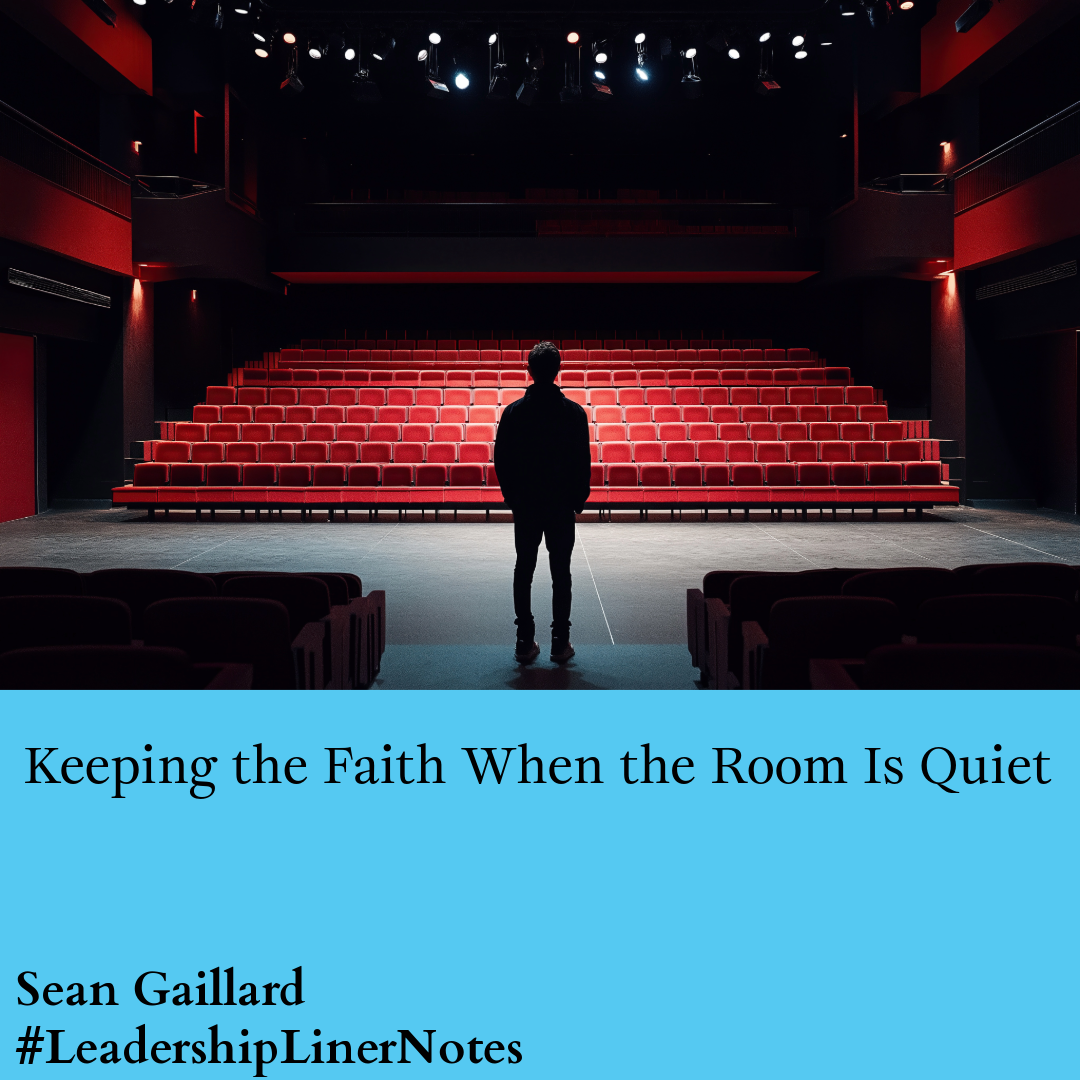
I remember being one of the last kids picked for kickball. Standing there in the dust with my hands in my pockets, waiting for someone to call my name. Everyone else seemed to belong somewhere. Everyone else seemed to have a team. That feeling has followed me into adulthood more times than I care to admit.
It rises up again whenever I put something out into the world and the room stays quiet. Every blog post. Every episode. Every reflection. Each one is a small act of courage. Each one is a piece of my soul placed gently on the table. Yet the silence that follows can hit with the same sting I felt on that kickball field.
There are days when it feels like no one wants me in their band. No replies. No call backs. No echoes of connection. I have chosen two of the loneliest gigs in the world. Leadership asks you to walk into the unknown even when no one notices. Writing asks you to offer your heart with no promise that anyone will take it. There is no applause built into any of this. There is no guarantee that your work will lead to opportunity.
So I have to keep the faith that there are quiet listeners out there. I have to trust that someone is reading or watching or absorbing even if I never hear the echo. I have to accept that my work may never be seen by the people I wish would see it. I have to keep creating anyway because that is the only way I can stay true to myself.
When doubt begins to weigh me down, I think of George Harrison. In the latter days of The Beatles, he felt like an outsider in his own band. His songs were often pushed aside. Yet he kept writing. He kept believing in his sound. Even in those difficult seasons, he delivered “Something” and “Here Comes The Sun.” Those songs became the heart of what many considered to be their greatest album, “Abbey Road.”
Then came the moment when his backlog of unheard songs found their place. “All Things Must Pass “emerged as a three album masterpiece by George Harrison. A triumph born from years of quiet rejection. A reminder that some brilliance finds its home only after the world grows ready for it. That album just celebrated its fifty fifth anniversary. It is a cherished album for me. It reminds me that the work we create in the shadows can one day light the way for someone else.
Maybe the same can be true for me. I have been part of good bands in my life. Maybe one more band is still out there. Until then, I will keep the faith even when the room feels quiet. I will write anyway. I will lead anyway. I will create anyway.
Because someone somewhere may need the sound I am trying to make. Even if I never hear the echo, the act of making it still matters.
The other day I was listening to The Beatles Channel on Sirius XM. I know that sounds like a casual moment, but truth be told, I spend plenty of time tuned into that station. As a lifelong Beatles fan, I’m fully immersed in their world of melodies, harmonies, and timeless lessons.
In between the songs and interviews, the channel often airs short reflections from musicians and fans. One that recently stood out to me came from John Oates, half of the legendary duo Hall & Oates. He shared a story about his friendship with George Harrison that has been playing in my mind ever since.
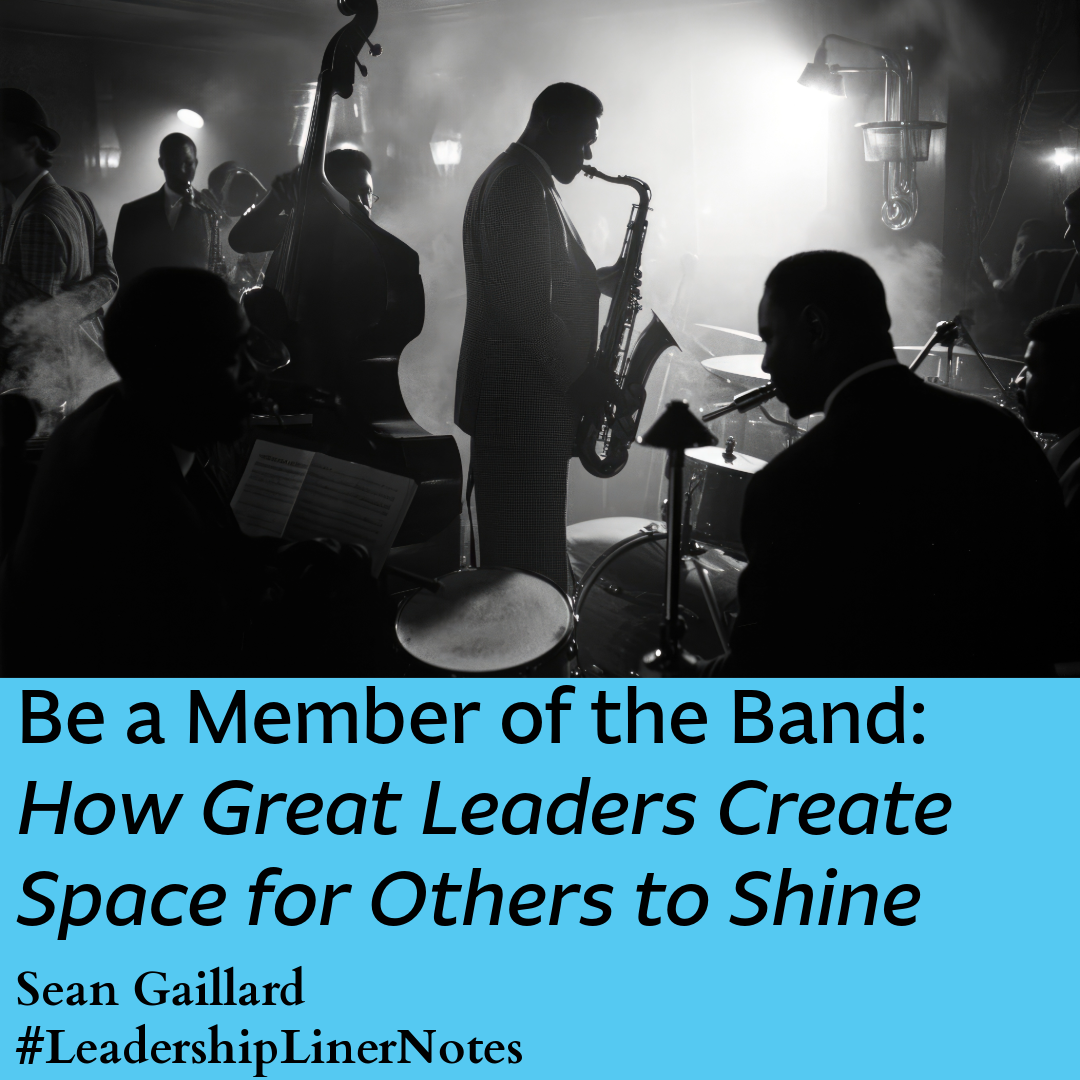
Oates talked about how he and George connected over a shared love of Formula One racing. That connection eventually led to visits at George’s home, Friar Park. During one visit, Oates mustered the courage to ask if George would play guitar on the Hall & Oates album Along the Red Ledge. George agreed, but he had one request: he only wanted to be a member of the band.
He didn’t want to take the lead. He didn’t want to be “George Harrison of The Beatles.” He just wanted to play alongside everyone else and contribute to the groove. His guitar work shines on the track “The Last Time,” yet what makes this story powerful is George’s humility. Here was someone who had stood on the world’s biggest stages, yet he found meaning in simply being part of the band.
That lesson resonates deeply with me. I’ve played in a few bands myself. I’m not a virtuoso guitarist, but I’m a solid rhythm player. I love creating that foundation that lets others soar. There’s something special about hearing another musician shine because you’re holding down the rhythm behind them. That’s leadership in action.
David Bowie did a similar move when formed the band, Tin Machine. Here was one of the most iconic solo acts in music simply wanting to be a part of a band. Bowie was known for making all kinds of unexpected turns and pivots in his career. Here, he took an eclectic turn and went back to the basics of being in a band. The band wasn’t called “David Bowie and Tin Machine.” It was simply Tin Machine.
Leadership is often seen as standing front and center, but the best leaders know when to step back. Sometimes the greatest impact we can have is to lay down a steady rhythm that allows others to take flight. Being a leader means being a collaborator, a listener, a supporter. It’s about tuning into the strengths of others and amplifying them for the good of the team.
George Harrison reminded us that leadership isn’t about spotlight moments or social media metrics. It’s about humility, collaboration, and humanity. It’s about seeing the gifts in others and creating the space for those gifts to be heard.
So, wherever you lead, whether it’s a classroom, a meeting, or a community, remember this simple truth: the best leaders know how to be a member of the band. Tune into the gifts of others. Uplift their strengths. Create harmony together. That’s how the best songs and the best teams are made.
“The waiting is the hardest part.”-Tom Petty (1981)
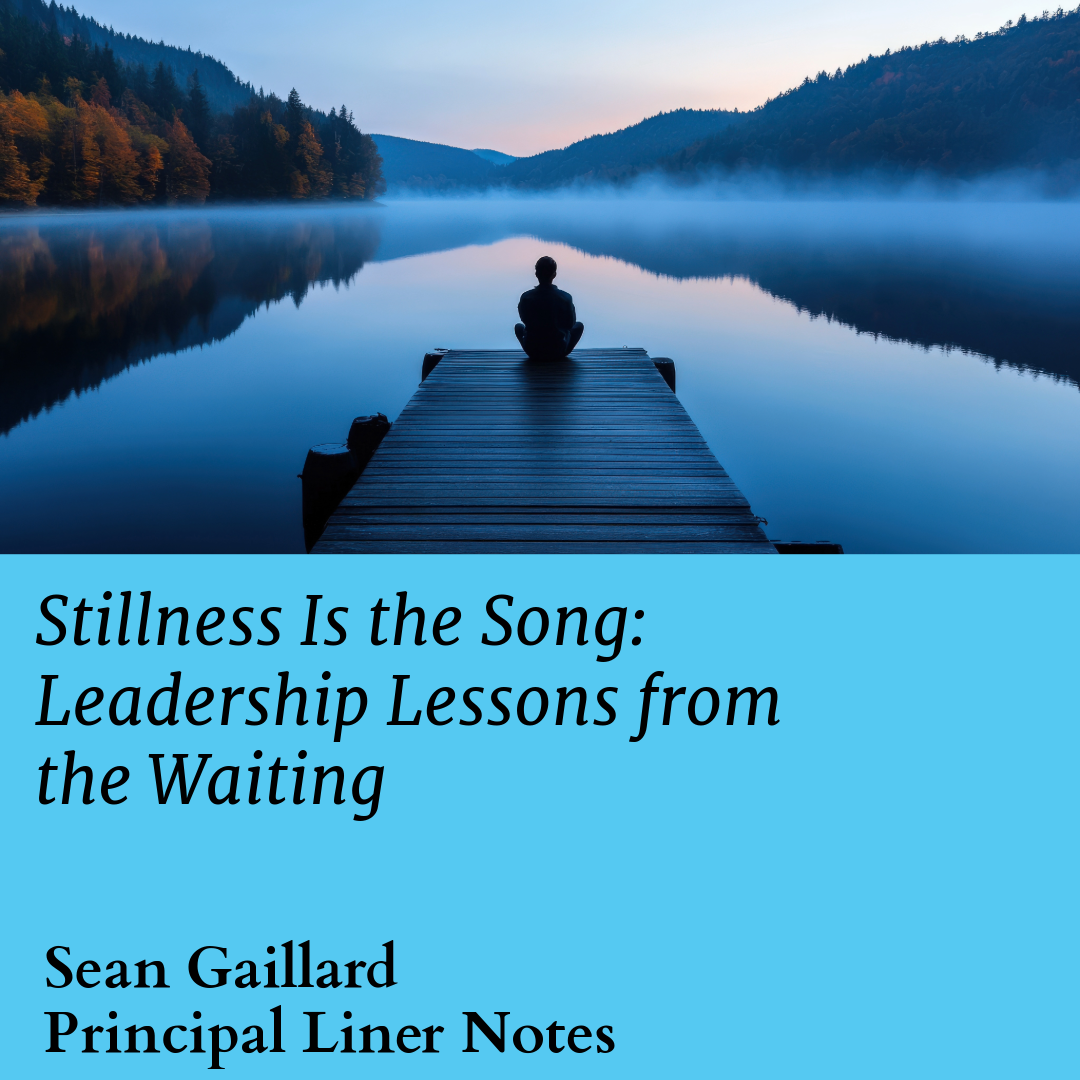
As I continue my sojourn in Maine, I gaze upon the lake on another cool summer morning. A warm cup of coffee is my company along with the occasional sparkles smiling at me on the water and a lone loon swimming alongside this morning reverie in the distance.
There’s a certain kind of silence that settles in when your waiting. It’s not always peaceful. It’s filled with hope, doubt, questions, and whispers of “what if.” That’s where I have been reflecting upon lately. There is an art to waiting that leaders must take hold of and learn to appreciate. Many look to us as a lamppost on a dark, foggy night. It is important that we make that the light we carry within, our leadership core, is intact, balanced, and focused.
The Struggle of Waiting
It is important to acknowledge the truth. Waiting is frustrating. It is excruciating into its life span and sometimes I allow negative moments to roam rent free in my head. I try to cope with waiting by cueing up familiar songs to carry me through the anxiety of waiting: “The Waiting” by Tom Petty, “Tired of Waiting for You” by The Kinks, or “I Am Waiting” by The Rolling Stones (a great deep cut by them from my favorite album of theirs, “Aftermath.”) Speaking of the Stones, I even imagine myself in their classic “Waiting on a Friend” video hanging out on the stoop with Mick Jagger looking for Keith Richards. Yet, the bottom line remains for me that waiting is just plain hard.
As leaders, we are wired to take action, make moves, plan next steps. We calculate, strategize, and analyze. There is urgency in the air that needs our focus and we called to act. The clock is ticking, people need decisions, and our vision and mission to serve our school community must be maintain momentum.
Sometimes the most important growth most important growth happens when nothing appears to be happening. For leaders, waiting can feel like failure. It can compel us to embrace the abysmal and tune into second-guesses and should haves. But in this stillness, I’m learning that not moving doesn’t mean not growing.
Waiting is an opportunity.
A Leadership Riff in the Shadows: George’s Quiet Resilience
George Harrison waited. He always did. Whether it was waiting for his guitar solo cue during the early days of The Beatles or waiting for spiritual enlightenment during his pursuit of Transcendental Meditation, George simply waited. He endured a long journey to have his voice and songs recognized within The Beatles. He waited in the shadow of the successful and thriving shadow of the Lennon-McCartney songwriting partnership for years. He watched song after song of his get passed over. But instead of giving up and surrendering to doubt, he kept writing. Occasionally, a song would be accepted and many of his songs in The Beatles still resonate today like “Something,” “While My Guitar Gently Weeps,” and “Here Comes The Sun.”
When the time finally came, George Harrison released the epic-three album, “All Things Must Pass.” This was an album of such depth, resonance, and majesty that it proved to the waiting wasn’t a waste; rather, it was a gathering. That gathering included an all-star line up musicians ranging from former bandmate, Ringo Starr, to Eric Clapton, Klaus Voorman, and all members of Badfinger. Phil Spector co-produced and served the album up with the Wall of Sound. It was filled with songs that The Beatles had rejected and hits that still spin today like “My Sweet Lord” and “What Is Life.”
George Harrison proved that waiting does not have to yield in an abrupt ending. Waiting can compel something beautiful to happen.
Leadership Wait Time
Waiting is a leadership discipline. It can take years to cultivate and nuance for one’s own leadership practice. Waiting teaches us patience, humility, faith, and emotional agility. In the classroom, teachers use “wait time” as a move to create space for students to pause, think, and reflect. It is an intentional pause that is meant to create belonging for students who may feel bashful at responding or to set the stage for a teachable moment to resonate within the classroom.
Leaders have wait time, too. The waiting room is where character gets built. It’s where we learn to lead without control, to listen instead of speak, to reflect instead of react.
As leaders, we have to cultivate space for waiting to ignite reflection. We have to give permission for ourselves to roam into that space to discover new things within ourselves and the people we serve.
This is not always easy and it can be ponderous. I reflect upon the moments of when I am challenged to wait as a leader and as an individual. Within the frustration of the moments of endless waiting, I have sometimes missed those opportunities for reflection and positivity. It’s easy to default to damning doubts and shifting the blame to some universe conspiring against me. Waiting does not have to be negative. We have to shift the paradigm on waiting to something akin to opportunity.
Brene Brown expressed this best for leaders, “Patience is not about waiting. It’s about how we behave while we’re waiting.” This is where we must be very cognizant of how we respond and move during our leadership wait time. We model the expectations and set the tone in our moves. Many look us to be that solid beacon of calm during any level of wait time and it’s important that we lead with grace, poise, and purpose during a leadership wait time.
Waiting can be a pressure cooker for leaders, but it’s important to maintain our core during those ponderous wait times.
There may have been pressure to fill a vacancy quickly whether it was for a teacher, assistant principal, or support staff member. But instead of rushing, you held out for the right fit. You waited, trusted your instincts, and stayed aligned with your school’s mission and values. And when that person arrived, it was clear they were the one. They didn’t just fill a role; they elevated the culture, built trust, and made a lasting impact on students and staff.
That moment, that hire validated the wait. The right choice often takes time.
A Quiet Riff to Carry Forward
Waiting is not weakness. It’s part of the journey. The silence we endure on a decision to be made or an action to occur is not empty. The silence may be an opportunity for you to compose a new song you don’t yet hear. I think of a time during my first principalship when our school was waiting for the outcome of our magnet grant application. The waiting was far-reaching and I remember checking my inbox every day several minutes at a time. This lasted for months and it was not pleasant. The waiting period did bring the faculty closer together as we shared this collective anticipation.
Looking back, it was the waiting that not only bonded us but it helped us persevere when we found out that we didn’t get the grant. The community that was forged during this period lead our school to being the first in the district to successfully implement a non-funded magnet. We had a positive impact on kids and achievement due to the community that was forged during the waiting game.
The truth is, we don’t always get to fast-forward through uncertainty. But we do get to keep showing up with grace, grit, and belief. You can use waiting as an opportunity to model resilience, reflection, and connection with others. And that’s the kind of leadership I want to grow in, one quiet step at a time.
Three Action Steps to Make Waiting More Meaningful for Your Leadership
1. Seek Out Thought Partners
Waiting doesn’t have to be lonely. Use the pause to deepen your leadership bench. Reach out to a mentor, a colleague, or someone who inspires you. Take a spin within your Professional Learning Network (PLN) to seek those people out who can inspire and support you. Share your thoughts and listen to theirs. Thought partnership sharpens perspective, calms uncertainty, and reminds you that you’re not navigating the unknown alone. Collaboration during the waiting season often leads to renewed clarity and creative momentum.
2. Study Leadership Riffs from History
Waiting has shaped some of the most significant leaders and movements in history. Lincoln waited through agonizing losses before the tide turned. Mandela waited in a prison cell for 27 years before transforming a nation. Singer-songwriter Carole King waited years to emerge as a solo artist and record her multi-platinum selling masterpiece, Tapestry. Even The Beatles waited through setbacks and missteps before crafting Sgt. Pepper. Explore these stories not just for inspiration, but as evidence that purpose-driven delay can lead to extraordinary outcomes.
3. Use the Quiet to Bring Your People Closer
While the external outcome is pending, focus inward. Use this time to connect more deeply with your team. Hold space for listening. Celebrate small wins. Reaffirm your shared mission. Leadership isn’t just about making decisions, it’s about fostering belonging. Waiting offers a powerful window to strengthen community, build trust, and ensure your team feels seen and valued.