When we think about The Beatles, we often focus on the finished masterpieces. We celebrate the harmonies, innovative arrangements, and timeless songwriting. What we sometimes overlook is the joy of four musicians simply playing together.
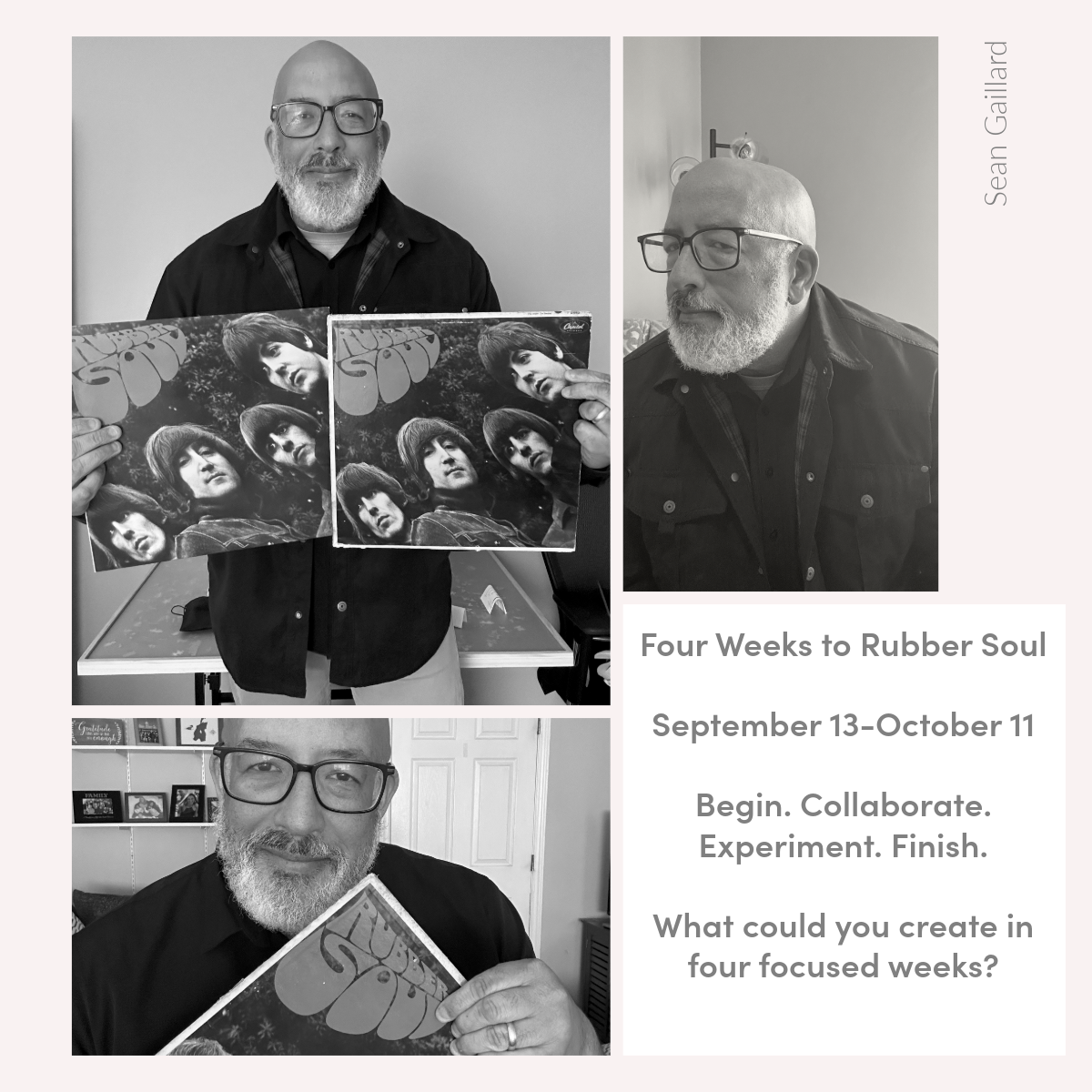
During the “Rubber Soul” sessions, The Beatles recorded an instrumental called “12 Bar Original.” It was a bluesy groove that owed something to the musical spirit of Booker T. & the MGs. The recording never made the album, but it offers an intriguing glimpse into the band’s creative process.
A few days later, while rehearsing George Harrison’s “Think for Yourself,” the Beatles were joking, improvising, and laughing as George Martin recorded their exchanges. These were musicians working under intense pressure to finish an album, yet they still found room for a little fun.
There is something wonderfully human about these moments. Even The Beatles needed opportunities to explore, laugh, and enjoy the experience of making music. Creativity did not always have to begin with the expectation of producing another classic.
Sometimes the most important thing we can do is give ourselves permission to play. Play is the catalyst to bring joy back into the conversation for any creative pursuit.
Here’s a question to consider: When was the last time you allowed yourself to play with an idea simply for the joy of discovering where it might lead?
On April 6, 1966, The Beatles walked into EMI Recording Studios in London and quietly began changing everything. There was no announcement. There were no crowds gathered outside signaling what was about to unfold. There was simply a band stepping into a new beginning.
That beginning started with a John Lennon demo known as “Mark 1,” which would later become “Tomorrow Never Knows,” the closing track of Revolver. It is a song that still feels ahead of its time, built on tape loops, backward guitar, distorted vocals, and the influence of Indian music. It was not just a song. It was a signal.
The band, alongside producer George Martin and a 19 year old engineer named Geoff Emerick, stepped into territory that had no clear blueprint. Touring had begun to wear on them. The noise, the expectations, and the repetition no longer matched who they were becoming. A storm was coming with their 1966 world tour, one that would eventually lead them to walk away from live performance altogether.
In that moment, they made a decision that continues to echo. They chose creation over replication. They chose the unknown over the expected. The songs on Revolver were not designed for the stage. They were designed for exploration.
Revolver exists in the shadow of albums like Sgt. Pepper’s Lonely Hearts Club Band and Abbey Road, yet it stands as the turning point. It is the moment where identity begins to shift. It is where the band sheds the weight of expectation and begins to move with intention toward something deeper, more expansive, and more honest.
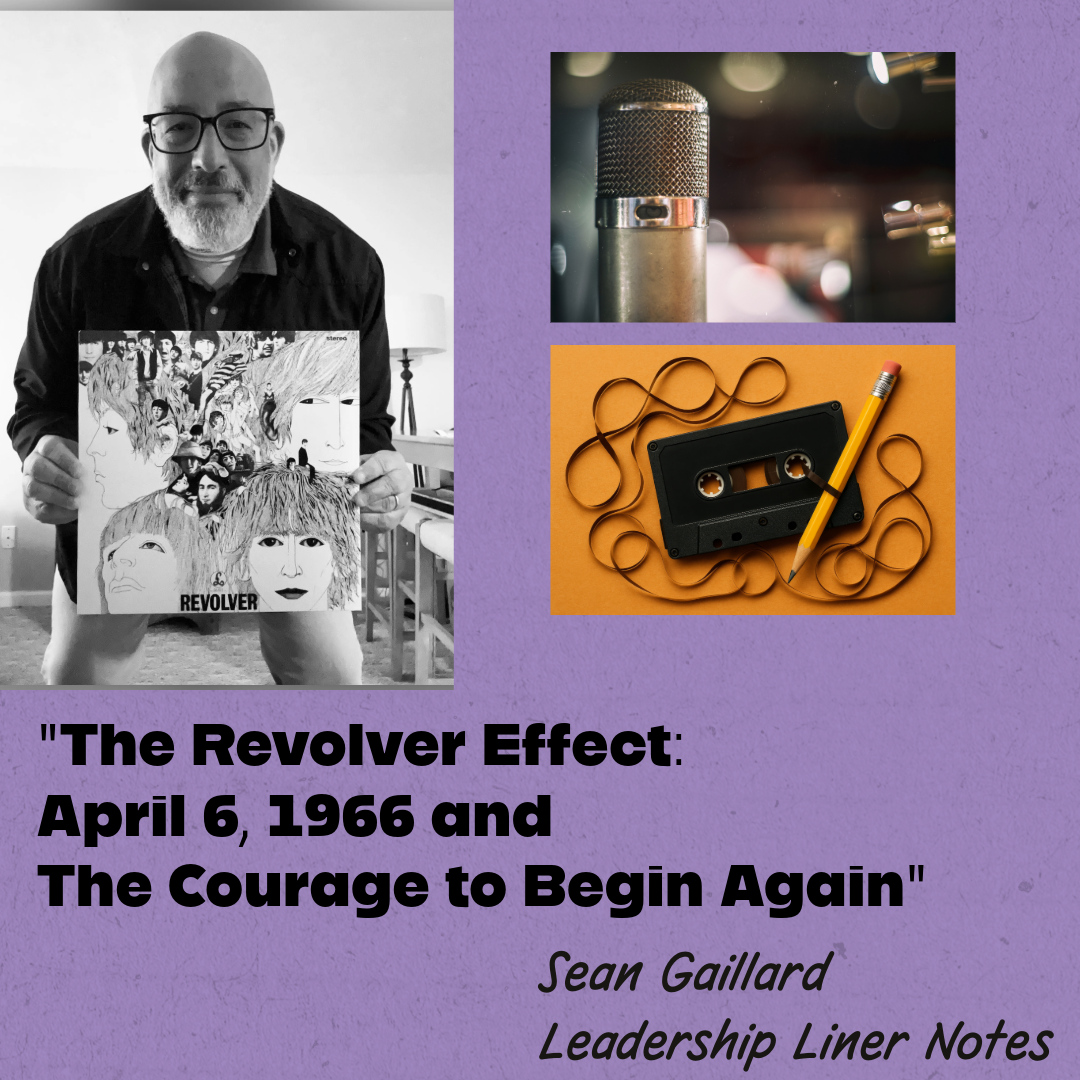
This year marks the 60th anniversary of Revolver. That milestone carries more than nostalgia. It carries an invitation to revisit what it means to begin again.
As I have been writing my upcoming book, Leadership Riffs, I found myself drawn into a chapter centered on Revolver. The more I wrote, the more I realized this was not meant to stay confined to a manuscript. This moment felt too important. This album felt too alive. It needed to be shared here and now as part of a larger conversation about leadership, identity, and growth.
Just as I explored Sgt. Pepper in The Pepper Effect, I see Revolver as its own blueprint. It offers a way of thinking about leadership that is rooted in courage, craft, and reinvention. It shows what becomes possible when individuals bring their full creative gifts into a shared space and trust one another enough to take risks together.
I call this The Revolver Effect, and it is grounded in four core riffs:
Believe in the Courage to Experiment Step into the unknown without a clear map. Growth does not wait for certainty.
Believe in the Craft Commit to depth, intentionality, and mastery. Substance will always outlast noise.
Believe in Expanding Your Voice Allow yourself to grow beyond your original identity. Invite new influences and perspectives into your work.
Believe in Reinvention Through Letting Go Release who you were so you can become who you are meant to be.
These riffs are shaping a short series through my Vinyl Riffs podcast along with companion reflections here. This is both a celebration and an exploration of an album that continues to resonate six decades later.
This series is a reflection. It is a way of making sense of the moment we are all navigating. It is a reminder that transformation rarely arrives with fanfare. It often begins quietly, with a decision to try something new.
April 6, 1966 was one of those moments.
Perhaps this is yours.
An Invitation to Celebrate “Revolver”
I invite you to listen, reflect, and join this journey. I would love to hear how Revolver has impacted you. Share your thoughts through social media and tag me or reach out directly to me. There is something powerful that happens when we bring our stories together.
Also, I am looking for guests to share their “Revolver” stories of impact and inspiration for upcoming episodes of “Vinyl Riffs.” Please let me know if you are interested.
Here are my social media channels for you to drop me a line via DM: