Yesterday, we explored the importance of curiosity and the willingness to ask, “What if?” Curiosity opens the door to new possibilities, invites us to question familiar approaches, and encourages us to imagine something different. There is something exciting about allowing ourselves to wonder what might be possible.
Today, we take that curiosity one step further with a simple but powerful word: Try. Curiosity encourages us to imagine what might be possible, while trying requires us to take action and discover what happens.
Trying something new can be challenging. It can be uncomfortable, a little scary, and even risky. The moment we move an idea from our imagination into the world, we make ourselves vulnerable. Others might embrace what we create, question our intentions, or criticize our efforts. We might even begin questioning ourselves before anyone else has an opportunity to respond.
That is one of the challenges of creativity. We cannot always know how something will turn out until we give ourselves permission to try. There are no guarantees of acceptance, success, or even understanding. Sometimes we simply have to take a chance and see where our curiosity leads us. We cannot wait for that permission to try. Now is the time to try!
The Beatles and the Courage to Try
One of the remarkable qualities of “Rubber Soul” is the willingness of The Beatles to explore new creative territory. By the fall of 1965, they had already achieved extraordinary commercial success. They could have continued recording music using familiar approaches and formulas that had served them well. Instead, they continued pushing their sound forward. They knew that they had to grow and evolve as a band. This growth happened in the course of a month under a looming deadline from the record company.
Their songwriting was becoming more introspective, their musical influences were expanding, and their recording sessions were becoming opportunities to experiment with different sounds and arrangements. Producer George Martin played an important role in this process, helping the group translate their growing creative ambitions into the recordings we continue to enjoy today. His willingness to experiment alongside the Beatles helped create an environment where new ideas could flourish.
Consider a few examples from Rubber Soul that demonstrate this willingness to try:
- On “I’m Looking Through You,” the Beatles recorded three different versions of the song before arriving at the arrangement that appeared on the album. They explored different tempos, instrumentation, and musical passages. An earlier version, eventually released on “Anthology 2,” sounds noticeably different from the familiar recording. They continued experimenting because they believed there was something more to discover within the song.
- On “Girl,” John Lennon’s intimate vocal performance includes the distinctive sound of his breathing, deliberately emphasized in the recording. George Harrison’s acoustic guitar incorporates a sound inspired by Greek music, adding another dimension to the arrangement. These musical choices reflected the group’s growing interest in exploring sounds and influences beyond their earlier recordings.
- Perhaps one of my favorite examples is “In My Life.” George Martin wanted to add an intricate piano solo but found that playing the passage at the desired speed presented a challenge. His solution was wonderfully inventive. He recorded the piano at half speed and played the tape back at normal speed, creating the distinctive sound that gives the song such an unforgettable musical moment.
Imagine what might have happened had Martin simply abandoned the idea because the original approach was not working. We would have missed one of the most memorable musical moments on the album. His willingness to try a different approach helped create something that continues to resonate with listeners more than sixty years later.
Each example reminds us that experimentation requires more than having an interesting idea. It requires the willingness to pursue that idea, explore different possibilities, and discover what happens. The Beatles did not know that every experiment would succeed. They simply continued trying, with George Martin serving as a creative partner who helped bring their ideas to life.
What Happens When We Try?
There is an important leadership and creativity lesson in these recording sessions. We often spend considerable time imagining what could happen if we pursued something different. We think about the possibilities, consider the challenges, and sometimes become so concerned about the outcome that we never take the first step.
What if nobody likes the idea? What if the project fails? What if someone questions our ability or criticizes our intentions? These questions can become barriers that prevent us from discovering what might be possible. We can spend so much time anticipating the reactions of others that we lose sight of the excitement that inspired our curiosity in the first place.
Trying requires us to move beyond those questions and give an idea an opportunity to develop. It also requires us to recognize that the value of our creative efforts cannot always be measured by immediate applause, widespread acceptance, or the number of people who notice our work.
Sometimes the greatest value comes from what we learn along the way. We discover new possibilities, develop greater confidence, and uncover strengths that might have remained hidden had we never attempted something different. There is growth in the process itself, even when the outcome does not match our original expectations.
Trying is not a guarantee of success. It is a commitment to possibility.
That is an important distinction because experimentation does not demand that everything work perfectly the first time. It invites us to learn from the experience, make adjustments, and continue growing. Creativity often develops through a series of attempts that move us closer to discovering something meaningful.
My Own Journey of Trying
I think about this often when I reflect on my own creative journey. Several years ago, I had an idea to write a book connecting the Beatles’ “Sgt. Pepper’s Lonely Hearts Club Band” era with leadership, creativity, collaboration, and education. On the surface, it might have seemed like an unusual combination. What could a groundbreaking album from 1967 teach us about leading schools and organizations?
I believed there was a powerful connection worth exploring. The creative spirit that made the “Sgt. Pepper” album such a remarkable achievement offered lessons that could extend far beyond the recording studio. I wanted to explore how those lessons might inspire educators and leaders to approach their work with greater imagination, courage, and collaboration.
That idea eventually became my book, The Pepper Effect. Writing it required me to step beyond familiar approaches to educational leadership and bring together two passions that had shaped my life. It was an opportunity to try something different and share a perspective that I believed could make a meaningful contribution.
It was also a risk. I encountered skepticism and my share of ridicule along the way. There were moments when I questioned whether anyone would understand what I was attempting to create. I had my own doubts about whether this approach would resonate with others.
Fortunately, I kept trying. The Pepper Effect has since reached educators and schools around the world, encouraging conversations about innovation, creativity, collaboration, and the importance of building a culture where everyone has an opportunity to contribute. The book has opened doors to meaningful conversations and connections that I could never have anticipated when I first began writing. I first knew the book had made an significant impact on others when it was adapted for stage by a school in Canada.
None of that would have happened had I allowed my doubts or the criticism of others to prevent me from moving forward. I am grateful that I took the chance, even when the outcome remained uncertain. The experience continues to remind me that some of our most meaningful creative contributions begin with the courage to pursue an idea that others might not immediately understand.
Continuing to Try
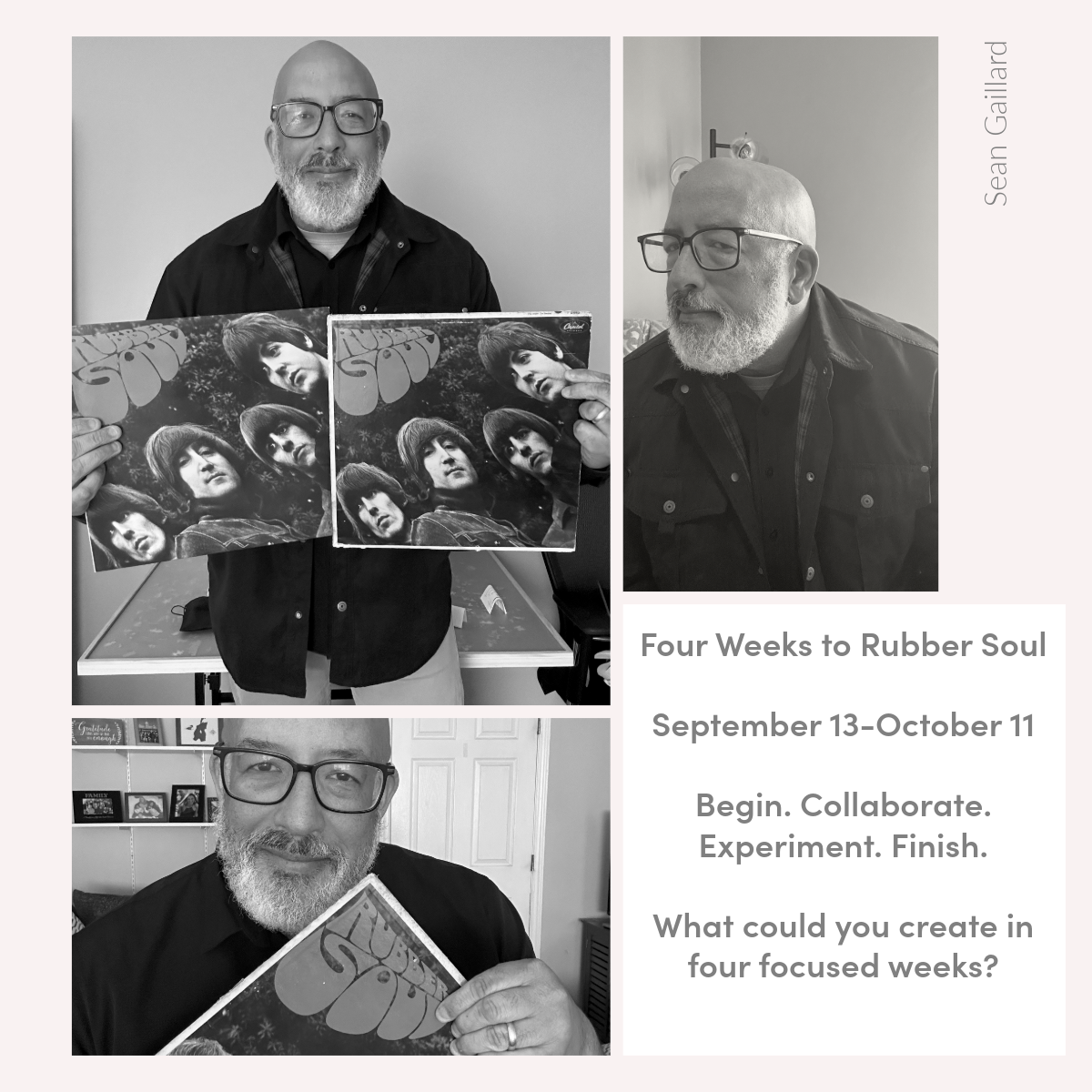
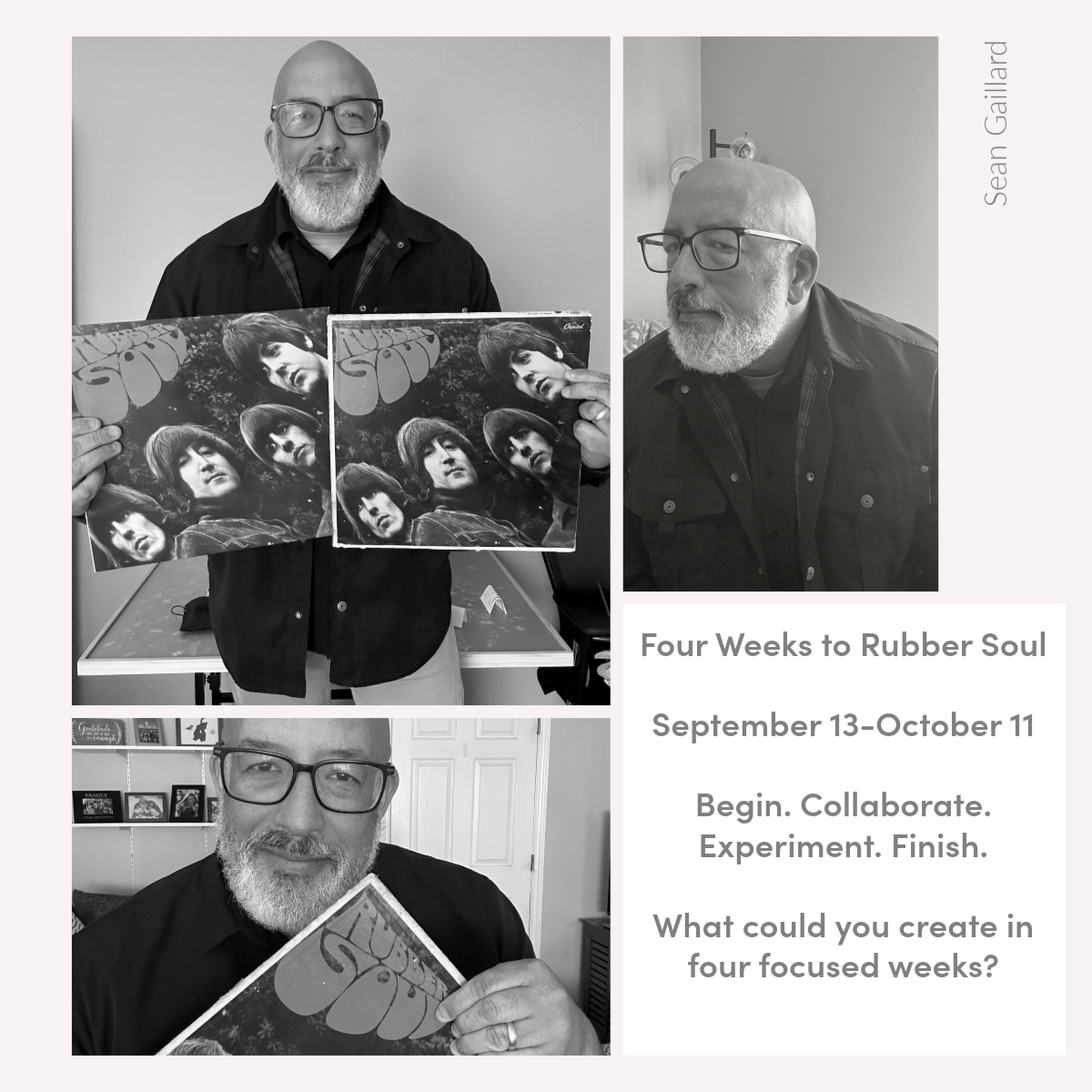
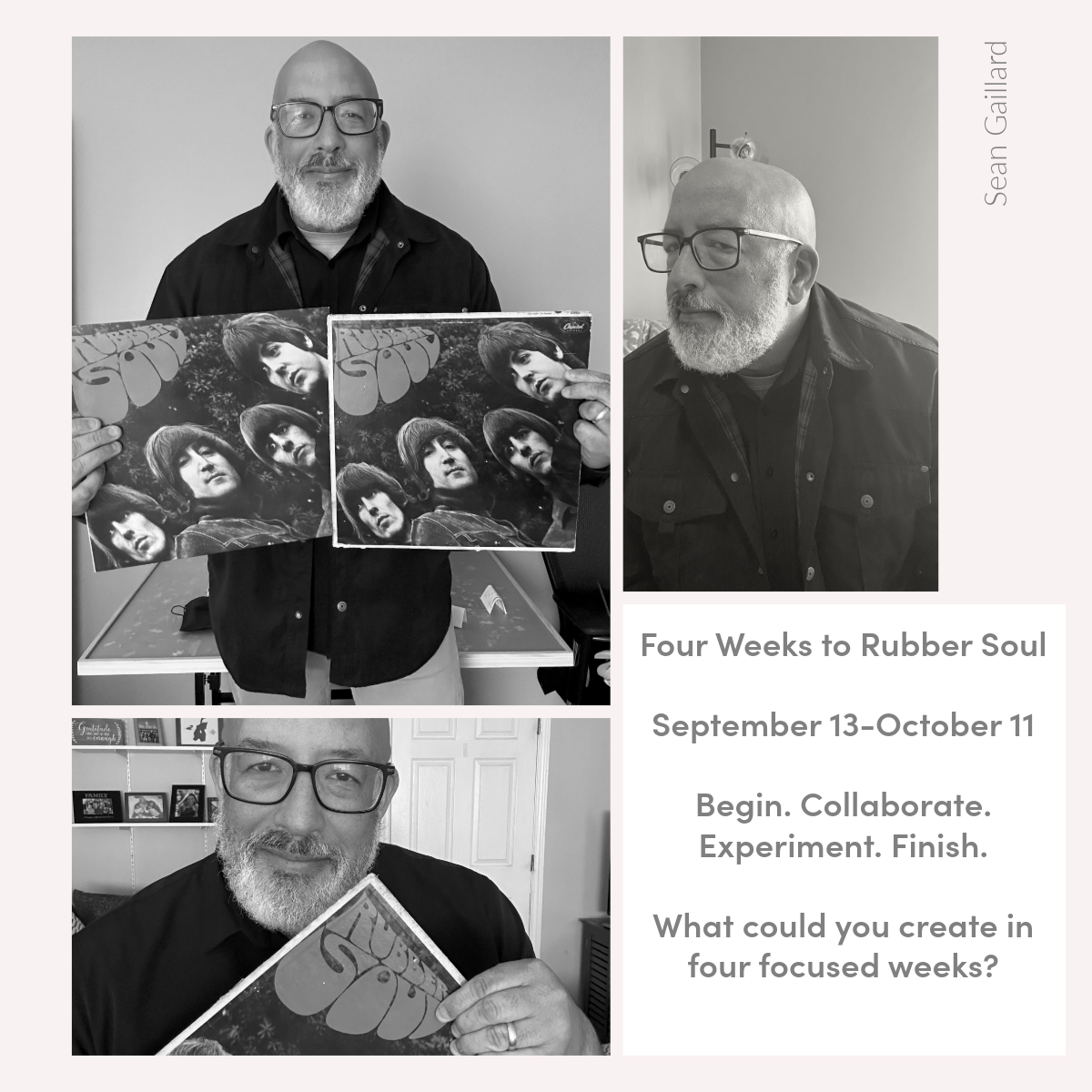
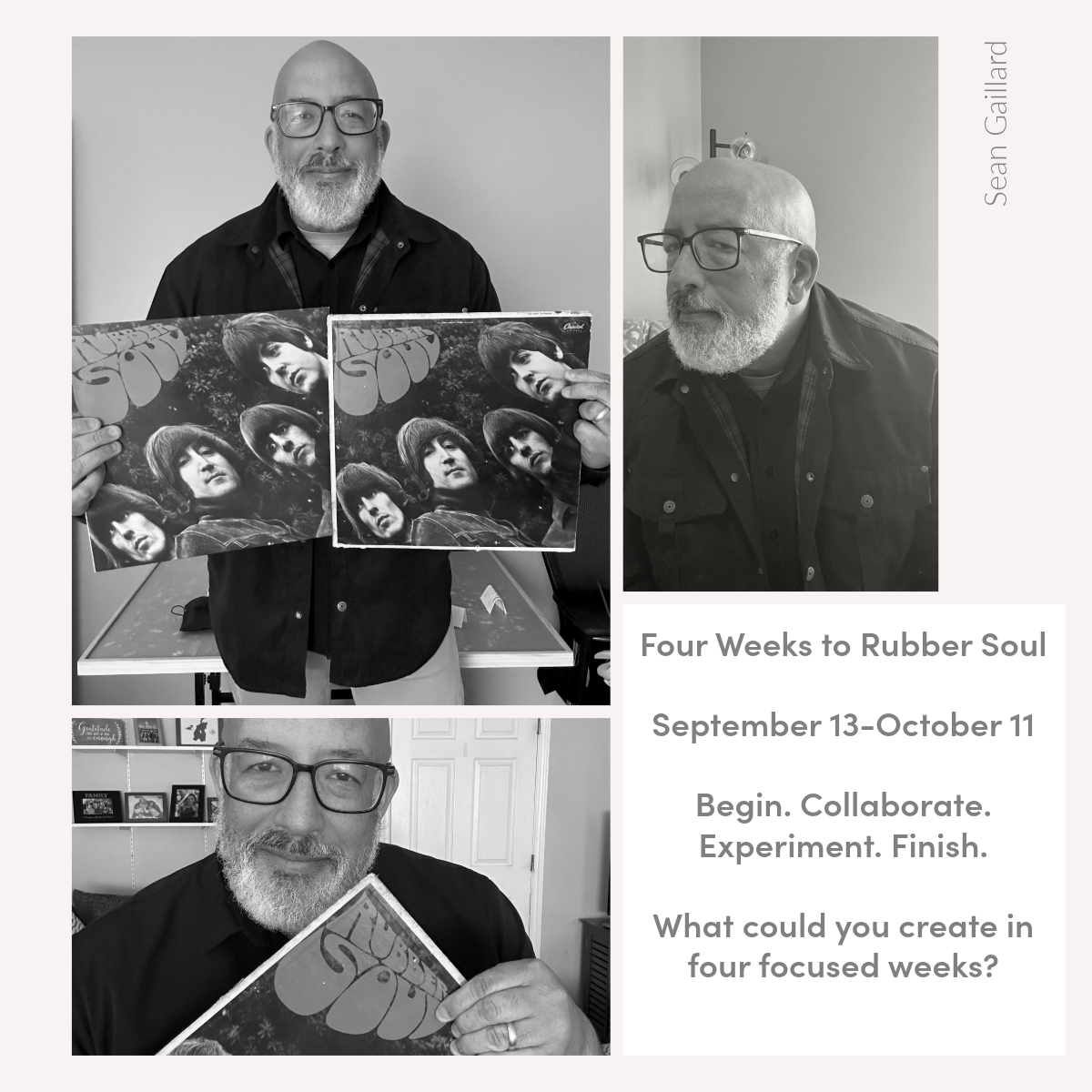
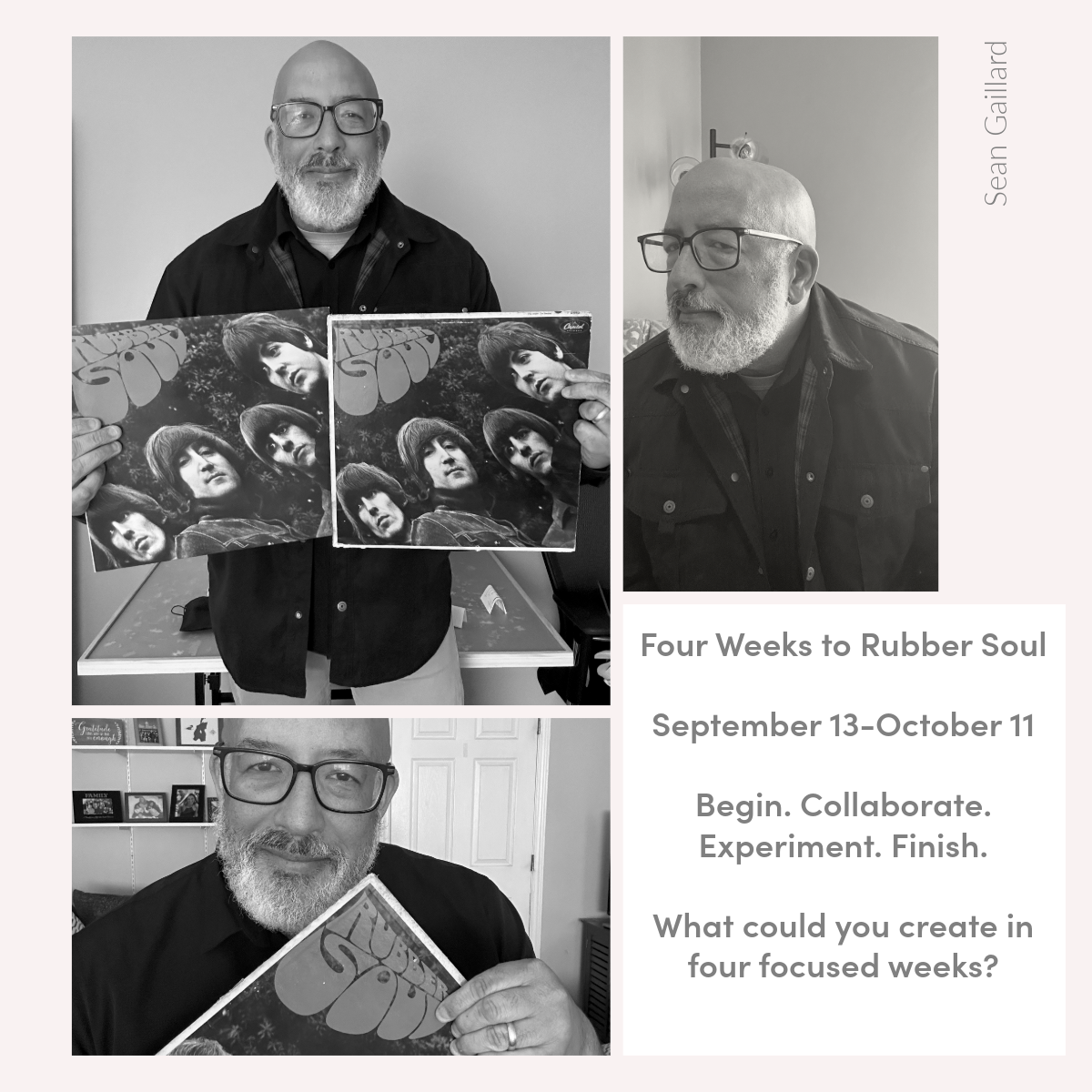
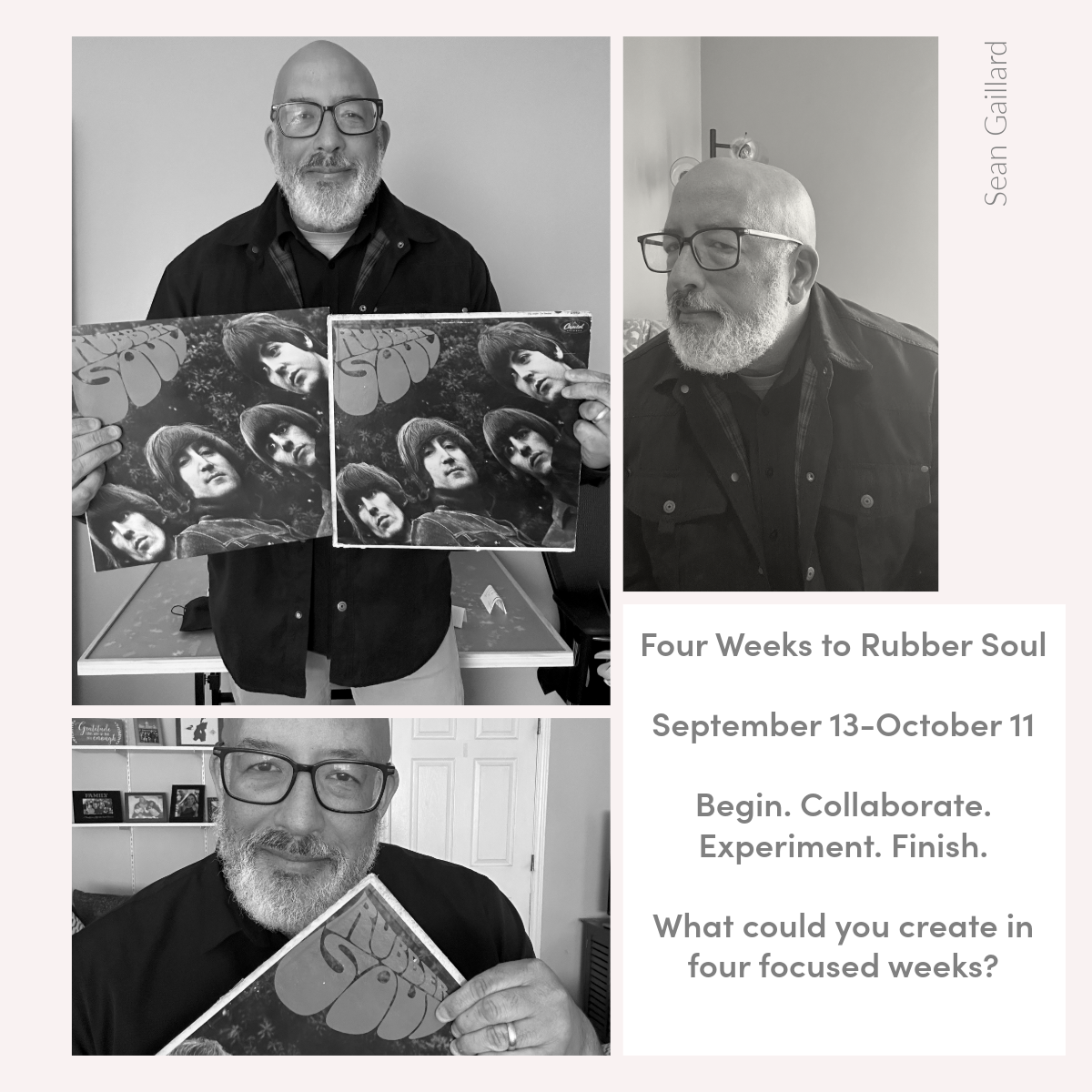
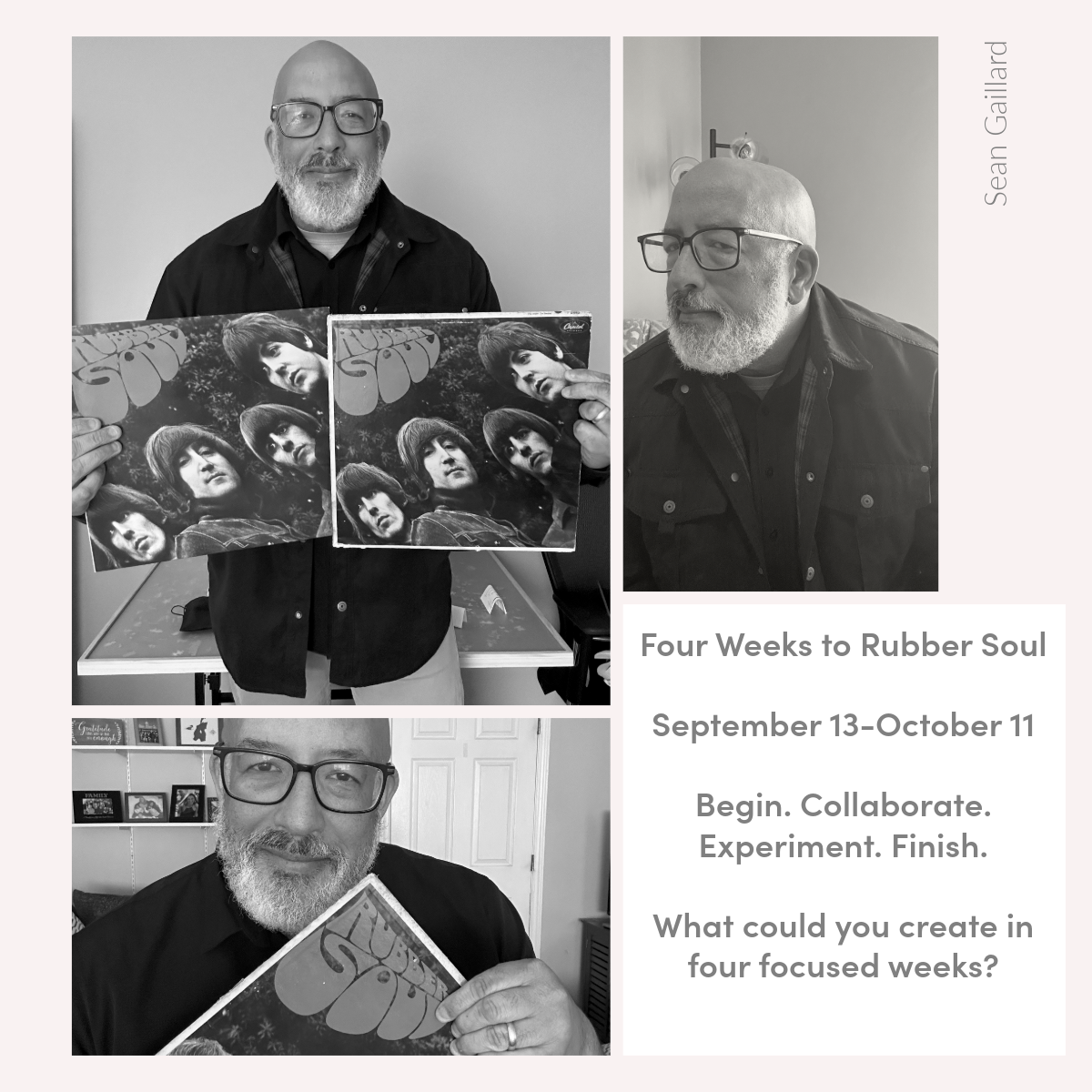
I find myself returning to this lesson as I continue creating “Four Weeks to Rubber Soul.” Every day, I am writing a new blog post and recording a new reel inspired by the creative journey of the Beatles. I am exploring ideas, making connections, and sharing reflections that I hope will encourage others to embrace creativity in their own lives and leadership.
Some posts connect with people immediately. Others receive relatively little attention. There are moments when the response is encouraging and others when I wonder whether the message is reaching anyone at all. The temptation to measure the value of creative work through views, comments, and reactions is certainly real.
In spite of all that, I am learning to appreciate something more important about this experience. Every day provides another opportunity to develop my voice, explore an idea, and create something that did not exist the day before. I am trying different approaches to communicating, connecting with an audience, and bringing my love of music into conversations about creativity and leadership.
I cannot control how many people will encounter a particular post or whether a message will resonate with everyone. I can control my willingness to keep creating and sharing the work. I can also choose to appreciate the people who are following this journey and finding something meaningful in these daily reflections.
There is a certain freedom in that realization. We do not need the approval of the masses to pursue something that matters. We do not need to know that everyone will understand our intentions. We certainly do not need a guarantee that our ideas will be immediately embraced.
We need the courage to begin and the willingness to keep learning. Sometimes that means moving forward when the applause is quiet or when our work does not receive the attention we had hoped to generate. The important thing is to remain connected to the purpose that inspired us to create in the first place.
The Beatles certainly had an audience waiting for their next release in 1965. They also had expectations surrounding their work and considerable pressure to continue delivering successful recordings. Their willingness to pursue new musical directions reminds us that creativity requires a commitment to growth, even when familiar approaches might seem more comfortable. “Rubber Soul” is an quantum leap from their previous albums and The Beatles were very much aware of that upon its release.
Give Yourself Permission to Try
As we continue our week of Experiment, I invite you to consider something you have been wanting to pursue. Perhaps it is a creative project, a different approach to leadership, an idea for your classroom, or a conversation that might open the door to something new. It might even be something you have been considering for years without finding the courage to begin.
Maybe you have been holding onto that idea because you are unsure how others will respond. Perhaps you are waiting for the perfect moment or hoping to develop enough confidence before taking the first step. There will always be reasons to hesitate, especially when we allow the possibility of criticism or disappointment to overshadow our curiosity.
Give yourself permission to try. You do not have to have every detail figured out before beginning. You can learn as you go, make adjustments when necessary, and discover possibilities that might never have occurred to you during the planning process.
The Beatles did not discover the possibilities of “Rubber Soul’ by remaining satisfied with what they already knew. They explored different sounds, experimented with recording techniques, and followed their growing curiosity into unfamiliar creative territory. Their willingness to try helped create an album that continues to inspire listeners more than sixty years later.
We have no way of knowing what our own experiments might eventually inspire. The person who needs to hear our message, experience our creativity, or benefit from our leadership might be someone we have not even met. Our willingness to try might also encourage someone else to take a chance on an idea they have been reluctant to pursue.
As I reflect on The Pepper Effect and my continuing journey with Four Weeks to Rubber Soul, I am reminded that some of the most meaningful things we create begin with a willingness to take a chance. There will be challenges, moments of uncertainty, and occasions when our efforts do not unfold as we originally imagined. Those experiences are part of the creative journey and can become opportunities to discover something new. Don’t let those doubts compel you to abandon what you are creating.
Curiosity helps us imagine what might be possible. Trying gives those possibilities a chance to become real.
Keep exploring and keep creating. Give yourself the opportunity to discover something new, even when the outcome remains uncertain. The world does not need another perfect imitation of something that already exists. It needs people who are willing to bring their unique voices, perspectives, and ideas into the creative process. You never know what might happen until you try. That simple act of courage could become the beginning of something meaningful for you and for the people who encounter your work.
Perhaps your next creative experiment will become something you never imagined possible. There is only one way to discover what that might be.
Simply try.
Check out today’s reel for more: