I remember being one of the last kids picked for kickball. Standing there in the dust with my hands in my pockets, waiting for someone to call my name. Everyone else seemed to belong somewhere. Everyone else seemed to have a team. That feeling has followed me into adulthood more times than I care to admit.
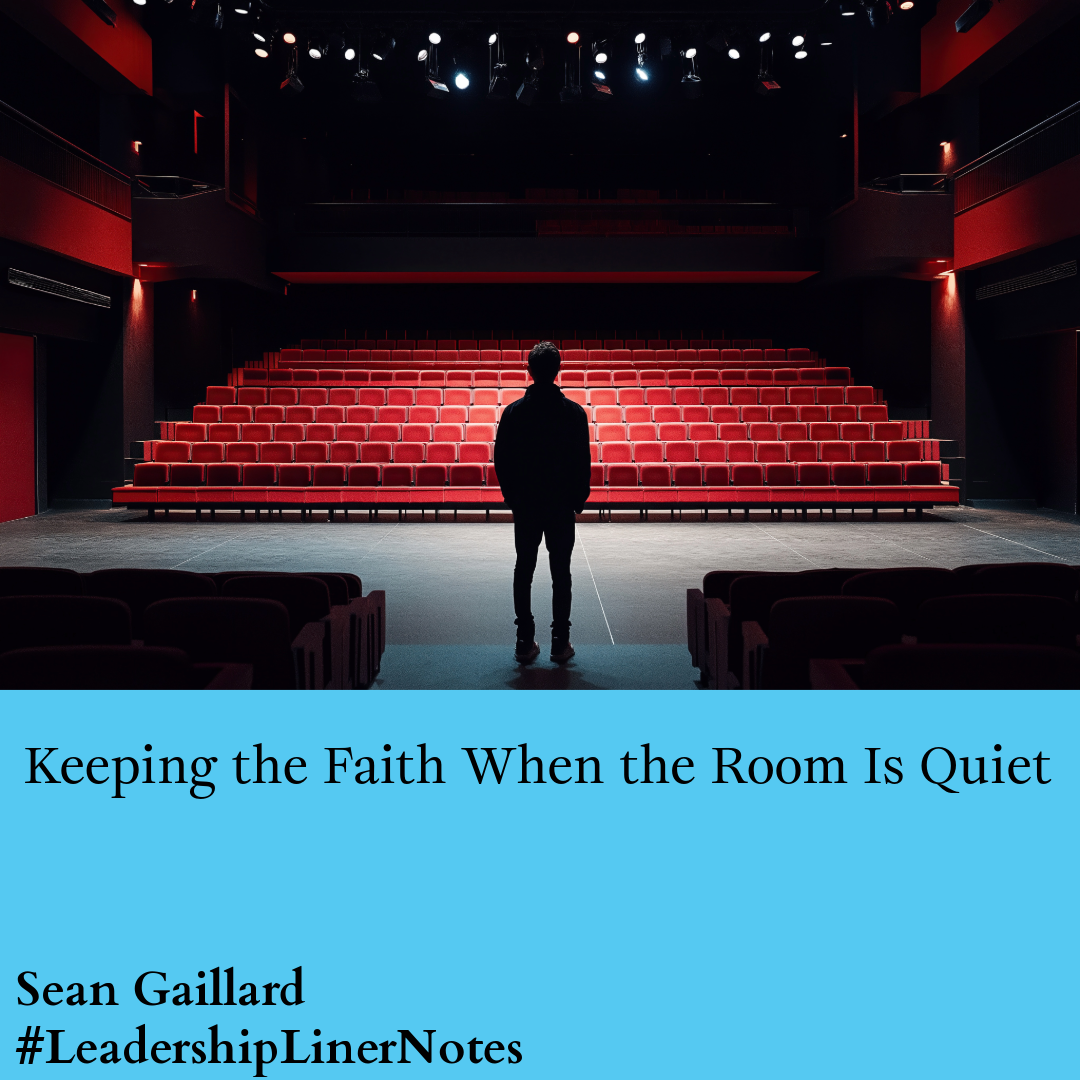
It rises up again whenever I put something out into the world and the room stays quiet. Every blog post. Every episode. Every reflection. Each one is a small act of courage. Each one is a piece of my soul placed gently on the table. Yet the silence that follows can hit with the same sting I felt on that kickball field.
There are days when it feels like no one wants me in their band. No replies. No call backs. No echoes of connection. I have chosen two of the loneliest gigs in the world. Leadership asks you to walk into the unknown even when no one notices. Writing asks you to offer your heart with no promise that anyone will take it. There is no applause built into any of this. There is no guarantee that your work will lead to opportunity.
So I have to keep the faith that there are quiet listeners out there. I have to trust that someone is reading or watching or absorbing even if I never hear the echo. I have to accept that my work may never be seen by the people I wish would see it. I have to keep creating anyway because that is the only way I can stay true to myself.
When doubt begins to weigh me down, I think of George Harrison. In the latter days of The Beatles, he felt like an outsider in his own band. His songs were often pushed aside. Yet he kept writing. He kept believing in his sound. Even in those difficult seasons, he delivered “Something” and “Here Comes The Sun.” Those songs became the heart of what many considered to be their greatest album, “Abbey Road.”
Then came the moment when his backlog of unheard songs found their place. “All Things Must Pass “emerged as a three album masterpiece by George Harrison. A triumph born from years of quiet rejection. A reminder that some brilliance finds its home only after the world grows ready for it. That album just celebrated its fifty fifth anniversary. It is a cherished album for me. It reminds me that the work we create in the shadows can one day light the way for someone else.
Maybe the same can be true for me. I have been part of good bands in my life. Maybe one more band is still out there. Until then, I will keep the faith even when the room feels quiet. I will write anyway. I will lead anyway. I will create anyway.
Because someone somewhere may need the sound I am trying to make. Even if I never hear the echo, the act of making it still matters.
The other day I was listening to The Beatles Channel on Sirius XM. I know that sounds like a casual moment, but truth be told, I spend plenty of time tuned into that station. As a lifelong Beatles fan, I’m fully immersed in their world of melodies, harmonies, and timeless lessons.
In between the songs and interviews, the channel often airs short reflections from musicians and fans. One that recently stood out to me came from John Oates, half of the legendary duo Hall & Oates. He shared a story about his friendship with George Harrison that has been playing in my mind ever since.
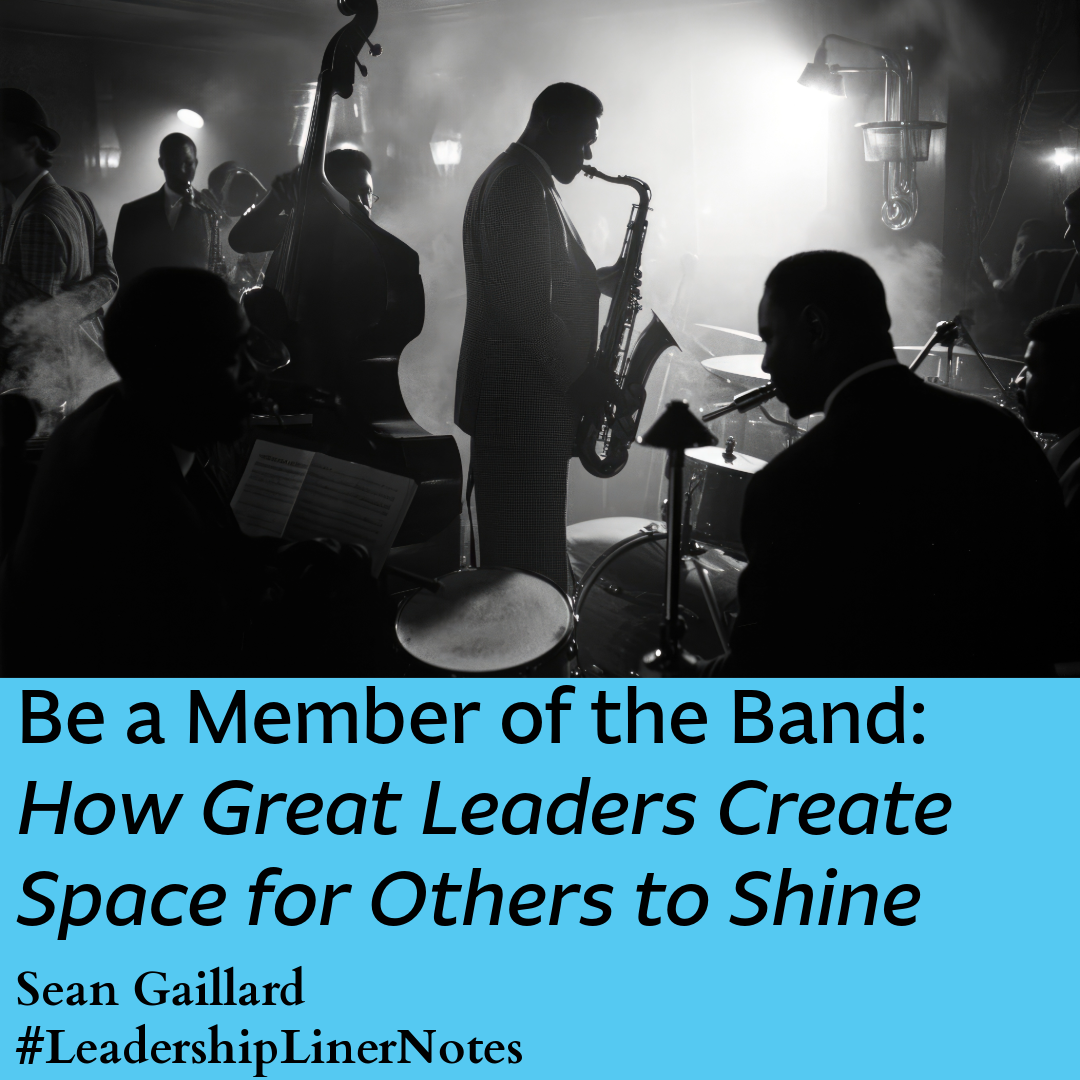
Oates talked about how he and George connected over a shared love of Formula One racing. That connection eventually led to visits at George’s home, Friar Park. During one visit, Oates mustered the courage to ask if George would play guitar on the Hall & Oates album Along the Red Ledge. George agreed, but he had one request: he only wanted to be a member of the band.
He didn’t want to take the lead. He didn’t want to be “George Harrison of The Beatles.” He just wanted to play alongside everyone else and contribute to the groove. His guitar work shines on the track “The Last Time,” yet what makes this story powerful is George’s humility. Here was someone who had stood on the world’s biggest stages, yet he found meaning in simply being part of the band.
That lesson resonates deeply with me. I’ve played in a few bands myself. I’m not a virtuoso guitarist, but I’m a solid rhythm player. I love creating that foundation that lets others soar. There’s something special about hearing another musician shine because you’re holding down the rhythm behind them. That’s leadership in action.
David Bowie did a similar move when formed the band, Tin Machine. Here was one of the most iconic solo acts in music simply wanting to be a part of a band. Bowie was known for making all kinds of unexpected turns and pivots in his career. Here, he took an eclectic turn and went back to the basics of being in a band. The band wasn’t called “David Bowie and Tin Machine.” It was simply Tin Machine.
Leadership is often seen as standing front and center, but the best leaders know when to step back. Sometimes the greatest impact we can have is to lay down a steady rhythm that allows others to take flight. Being a leader means being a collaborator, a listener, a supporter. It’s about tuning into the strengths of others and amplifying them for the good of the team.
George Harrison reminded us that leadership isn’t about spotlight moments or social media metrics. It’s about humility, collaboration, and humanity. It’s about seeing the gifts in others and creating the space for those gifts to be heard.
So, wherever you lead, whether it’s a classroom, a meeting, or a community, remember this simple truth: the best leaders know how to be a member of the band. Tune into the gifts of others. Uplift their strengths. Create harmony together. That’s how the best songs and the best teams are made.
“The waiting is the hardest part.”-Tom Petty (1981)
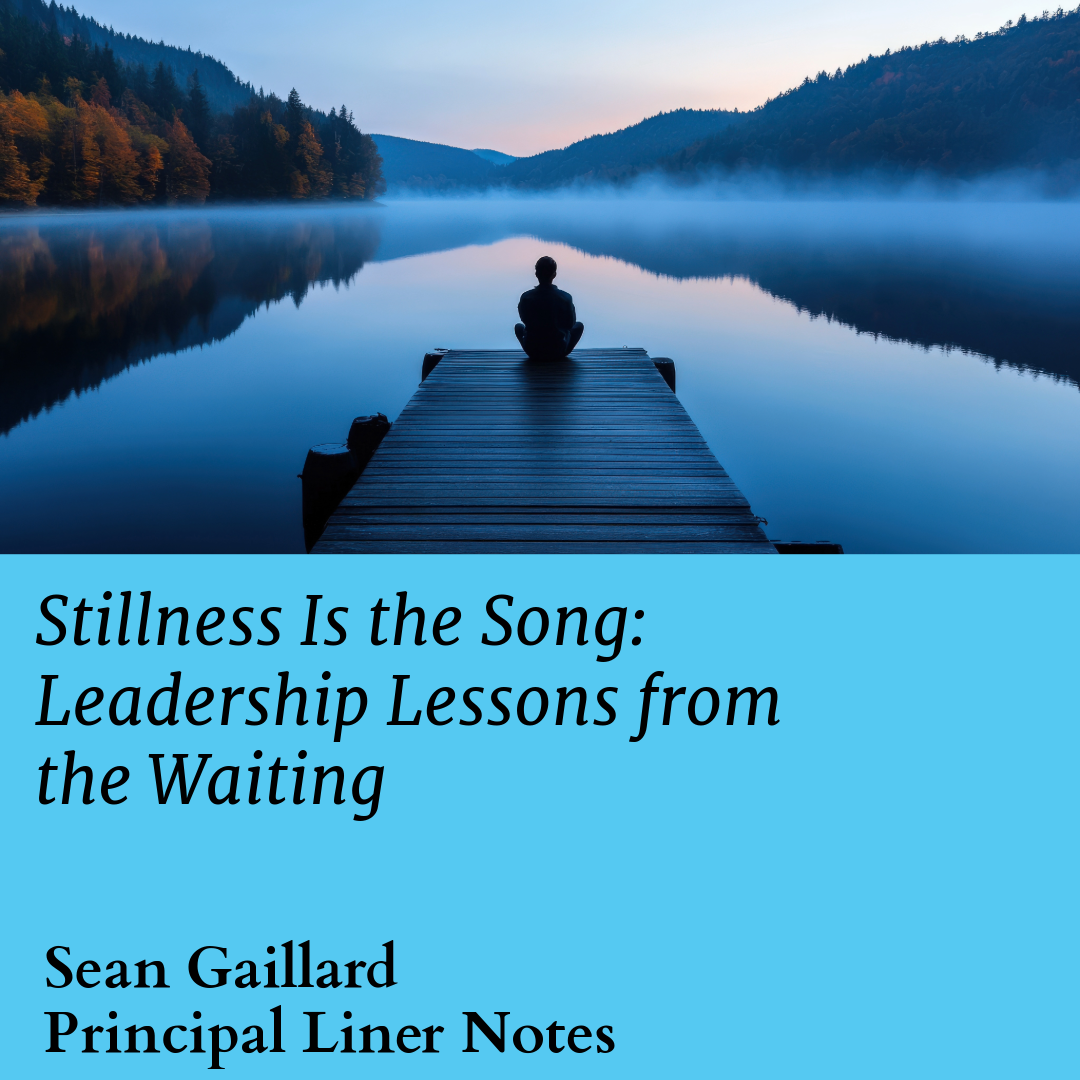
As I continue my sojourn in Maine, I gaze upon the lake on another cool summer morning. A warm cup of coffee is my company along with the occasional sparkles smiling at me on the water and a lone loon swimming alongside this morning reverie in the distance.
There’s a certain kind of silence that settles in when your waiting. It’s not always peaceful. It’s filled with hope, doubt, questions, and whispers of “what if.” That’s where I have been reflecting upon lately. There is an art to waiting that leaders must take hold of and learn to appreciate. Many look to us as a lamppost on a dark, foggy night. It is important that we make that the light we carry within, our leadership core, is intact, balanced, and focused.
The Struggle of Waiting
It is important to acknowledge the truth. Waiting is frustrating. It is excruciating into its life span and sometimes I allow negative moments to roam rent free in my head. I try to cope with waiting by cueing up familiar songs to carry me through the anxiety of waiting: “The Waiting” by Tom Petty, “Tired of Waiting for You” by The Kinks, or “I Am Waiting” by The Rolling Stones (a great deep cut by them from my favorite album of theirs, “Aftermath.”) Speaking of the Stones, I even imagine myself in their classic “Waiting on a Friend” video hanging out on the stoop with Mick Jagger looking for Keith Richards. Yet, the bottom line remains for me that waiting is just plain hard.
As leaders, we are wired to take action, make moves, plan next steps. We calculate, strategize, and analyze. There is urgency in the air that needs our focus and we called to act. The clock is ticking, people need decisions, and our vision and mission to serve our school community must be maintain momentum.
Sometimes the most important growth most important growth happens when nothing appears to be happening. For leaders, waiting can feel like failure. It can compel us to embrace the abysmal and tune into second-guesses and should haves. But in this stillness, I’m learning that not moving doesn’t mean not growing.
Waiting is an opportunity.
A Leadership Riff in the Shadows: George’s Quiet Resilience
George Harrison waited. He always did. Whether it was waiting for his guitar solo cue during the early days of The Beatles or waiting for spiritual enlightenment during his pursuit of Transcendental Meditation, George simply waited. He endured a long journey to have his voice and songs recognized within The Beatles. He waited in the shadow of the successful and thriving shadow of the Lennon-McCartney songwriting partnership for years. He watched song after song of his get passed over. But instead of giving up and surrendering to doubt, he kept writing. Occasionally, a song would be accepted and many of his songs in The Beatles still resonate today like “Something,” “While My Guitar Gently Weeps,” and “Here Comes The Sun.”
When the time finally came, George Harrison released the epic-three album, “All Things Must Pass.” This was an album of such depth, resonance, and majesty that it proved to the waiting wasn’t a waste; rather, it was a gathering. That gathering included an all-star line up musicians ranging from former bandmate, Ringo Starr, to Eric Clapton, Klaus Voorman, and all members of Badfinger. Phil Spector co-produced and served the album up with the Wall of Sound. It was filled with songs that The Beatles had rejected and hits that still spin today like “My Sweet Lord” and “What Is Life.”
George Harrison proved that waiting does not have to yield in an abrupt ending. Waiting can compel something beautiful to happen.
Leadership Wait Time
Waiting is a leadership discipline. It can take years to cultivate and nuance for one’s own leadership practice. Waiting teaches us patience, humility, faith, and emotional agility. In the classroom, teachers use “wait time” as a move to create space for students to pause, think, and reflect. It is an intentional pause that is meant to create belonging for students who may feel bashful at responding or to set the stage for a teachable moment to resonate within the classroom.
Leaders have wait time, too. The waiting room is where character gets built. It’s where we learn to lead without control, to listen instead of speak, to reflect instead of react.
As leaders, we have to cultivate space for waiting to ignite reflection. We have to give permission for ourselves to roam into that space to discover new things within ourselves and the people we serve.
This is not always easy and it can be ponderous. I reflect upon the moments of when I am challenged to wait as a leader and as an individual. Within the frustration of the moments of endless waiting, I have sometimes missed those opportunities for reflection and positivity. It’s easy to default to damning doubts and shifting the blame to some universe conspiring against me. Waiting does not have to be negative. We have to shift the paradigm on waiting to something akin to opportunity.
Brene Brown expressed this best for leaders, “Patience is not about waiting. It’s about how we behave while we’re waiting.” This is where we must be very cognizant of how we respond and move during our leadership wait time. We model the expectations and set the tone in our moves. Many look us to be that solid beacon of calm during any level of wait time and it’s important that we lead with grace, poise, and purpose during a leadership wait time.
Waiting can be a pressure cooker for leaders, but it’s important to maintain our core during those ponderous wait times.
There may have been pressure to fill a vacancy quickly whether it was for a teacher, assistant principal, or support staff member. But instead of rushing, you held out for the right fit. You waited, trusted your instincts, and stayed aligned with your school’s mission and values. And when that person arrived, it was clear they were the one. They didn’t just fill a role; they elevated the culture, built trust, and made a lasting impact on students and staff.
That moment, that hire validated the wait. The right choice often takes time.
A Quiet Riff to Carry Forward
Waiting is not weakness. It’s part of the journey. The silence we endure on a decision to be made or an action to occur is not empty. The silence may be an opportunity for you to compose a new song you don’t yet hear. I think of a time during my first principalship when our school was waiting for the outcome of our magnet grant application. The waiting was far-reaching and I remember checking my inbox every day several minutes at a time. This lasted for months and it was not pleasant. The waiting period did bring the faculty closer together as we shared this collective anticipation.
Looking back, it was the waiting that not only bonded us but it helped us persevere when we found out that we didn’t get the grant. The community that was forged during this period lead our school to being the first in the district to successfully implement a non-funded magnet. We had a positive impact on kids and achievement due to the community that was forged during the waiting game.
The truth is, we don’t always get to fast-forward through uncertainty. But we do get to keep showing up with grace, grit, and belief. You can use waiting as an opportunity to model resilience, reflection, and connection with others. And that’s the kind of leadership I want to grow in, one quiet step at a time.
Three Action Steps to Make Waiting More Meaningful for Your Leadership
1. Seek Out Thought Partners
Waiting doesn’t have to be lonely. Use the pause to deepen your leadership bench. Reach out to a mentor, a colleague, or someone who inspires you. Take a spin within your Professional Learning Network (PLN) to seek those people out who can inspire and support you. Share your thoughts and listen to theirs. Thought partnership sharpens perspective, calms uncertainty, and reminds you that you’re not navigating the unknown alone. Collaboration during the waiting season often leads to renewed clarity and creative momentum.
2. Study Leadership Riffs from History
Waiting has shaped some of the most significant leaders and movements in history. Lincoln waited through agonizing losses before the tide turned. Mandela waited in a prison cell for 27 years before transforming a nation. Singer-songwriter Carole King waited years to emerge as a solo artist and record her multi-platinum selling masterpiece, Tapestry. Even The Beatles waited through setbacks and missteps before crafting Sgt. Pepper. Explore these stories not just for inspiration, but as evidence that purpose-driven delay can lead to extraordinary outcomes.
3. Use the Quiet to Bring Your People Closer
While the external outcome is pending, focus inward. Use this time to connect more deeply with your team. Hold space for listening. Celebrate small wins. Reaffirm your shared mission. Leadership isn’t just about making decisions, it’s about fostering belonging. Waiting offers a powerful window to strengthen community, build trust, and ensure your team feels seen and valued.
I’ve written and rewritten this blog post countless times in my mind. It has been weighing on my heart, especially after navigating a week filled with a few setbacks. Nothing catastrophic, but still moments of dejection that linger. One of those moments was particularly difficult: an idea I had for a collaborative book was taken in a new direction—without me.
As someone who values collaboration and the joy it brings, I’ve learned that I need to be more mindful of whom I choose to collaborate with. Seeing my work and ideas rebranded as someone else’s originality hurt deeply. It stung because the creative journey is already fraught with battles against Imposter Syndrome and anxiety. These emotions creep in especially when I venture into new creative territory: Will it be good enough? Will people understand what I’m trying to do? When someone else quickly disinvites you from a project and takes it solo, it’s a painful reminder of the delicate steps needed to protect your own creative vision.
Late last year, I thought I had cracked the code on a follow-up to my first book, The Pepper Effect. I had an outline, a vision, and an unshakable drive. But that momentum fizzled as life threw its challenges my way. Stress, high blood pressure, and self-doubt culminated in a health scare that landed me in the hospital. It was a wake-up call. With the support of my incredible wife, my family, my therapist, and my faith, I began to rebuild—both physically and emotionally. Part of that rebuilding process involved reconnecting with my writing. Blogging weekly became my creative anchor, a way to keep my writing muscles intact and grooving. Each blog post has been a step forward, a way to regain confidence and prepare myself for the marathon of writing another book.
The recent letdown with the collaborative book idea is a chapter I’m reframing not as failure, but as a lesson learned. It’s a reminder to trust my vision, something I wrote about extensively in The Pepper Effect. Sure, it stings to see accolades being given for an idea that I helped shape, but as Mel Robbins writes in The Let Them Theory, I can’t let other people’s actions control my journey. Let them take their version of the idea, I tell myself. Let me move forward with my vision. And as my therapist often reminds me, “…and that’s okay.”
When I need inspiration, I return to The Beatles. They are my creative North Star. My first book explored how their story is a template for creativity, collaboration, and innovation. My follow-up book, which I’m calling The Let It Be Effect, will continue in that vein, diving into the Get Back/Let It Be era. If you’ve followed me on social media, read my blogs, or listened to my podcasts, you’ve seen glimpses of this concept. The Let It Be Effect will build on the four tenets of The Pepper Effect (Believe in your vision, Believe in your masterpiece, Believe in your collaborators, Ignore the Naysayers), but it will also introduce something new: the idea of the Rooftop Moment.
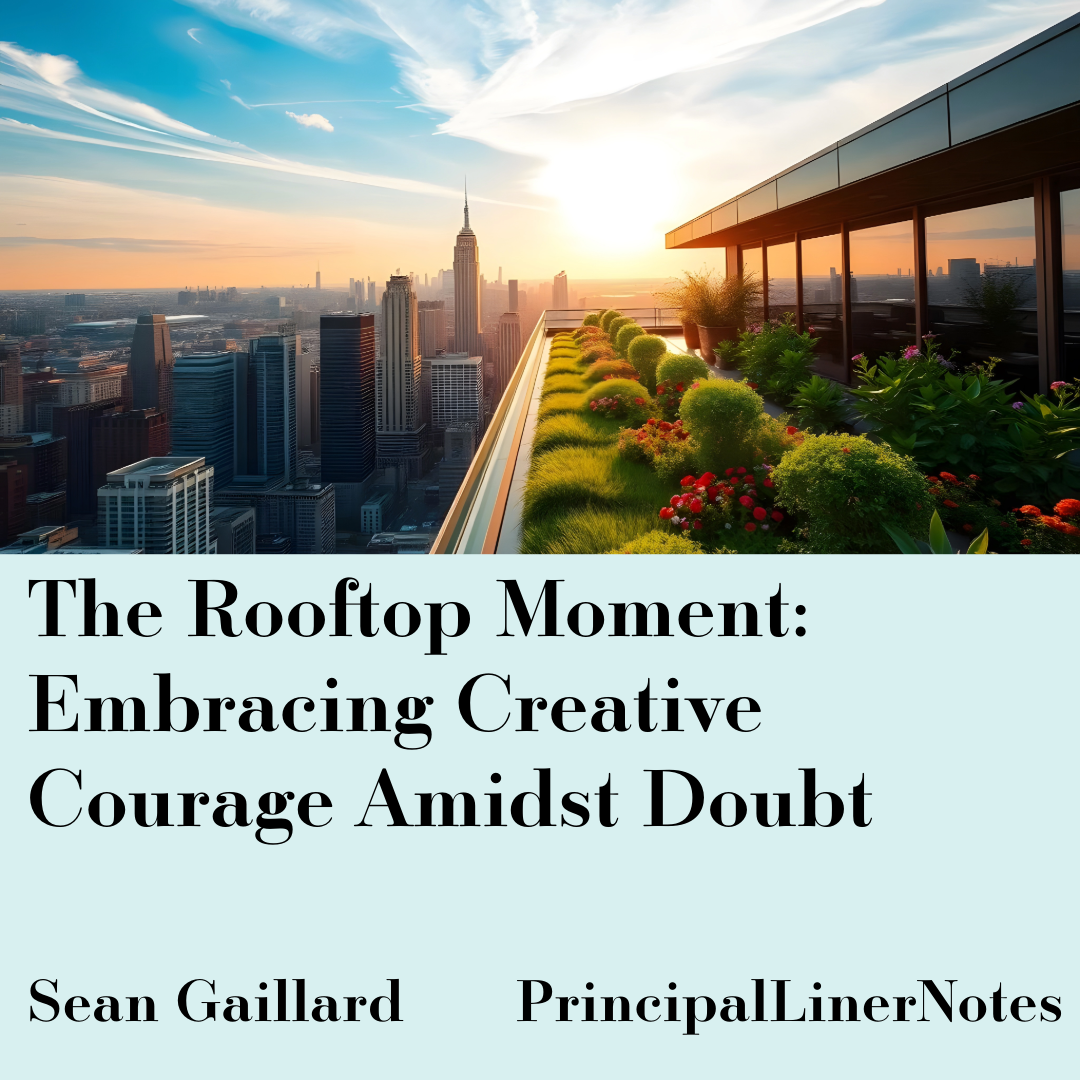
The Rooftop Moment is inspired by the Beatles’ legendary final live performance in January 1969. During the recording of what would become the Let It Be album, the band faced immense challenges. They hadn’t performed live in three years, there were creative differences, and at one point, George Harrison even quit the band. Despite all this, they decided to perform—not in a grand concert hall, but on the rooftop of their Apple Corps headquarters in London. It was a cold January day, and the decision to perform wasn’t finalized until the last minute. According to director Michael Lindsay-Hogg, John Lennon’s decisive words were, “F— it—let’s go do it.”
And they did. The Beatles, joined by keyboardist Billy Preston, walked up to the rooftop and made history. That performance became their iconic Rooftop Concert, a moment of creative triumph amidst doubt and adversity. It was the final time they performed live together, and it remains a testament to the power of taking bold action despite uncertainty.
The Rooftop Moment is about just that: taking a dynamic leap of creative courage when the odds feel overwhelming. It’s about playing your gig, painting your masterpiece, or writing your book, even when doubt tries to hold you back. The Beatles ignored convention and their own self-doubts to create something unforgettable. I know I need to do the same with my follow-up book.
Let the critics and naysayers have their opinions. Let them. As for me, I’ll aim for my Rooftop Moment—that decisive act of putting my creativity into the world, no matter what. I’ll let the inspiration flow and trust that what I create will resonate with those who need it most. And that’s okay.
I hope this inspires you to find your own Rooftop Moment. Whether it’s a project you’ve been hesitant to start, a challenge you’re ready to face, or a dream you’ve been quietly nurturing, remember: the world is waiting for your masterpiece. Let it be.
Four Moves to Create Your Rooftop Moment:
Lead with Vulnerability: Share your passion or a creative idea with your team or community, even if it feels risky. Vulnerability fosters connection and courage. For me, this was bringing my guitar to school and sharing a song I wrote based on our school’s core values during grade-level assemblies. It was risky, but it created a memorable and inspiring moment for my students and staff.
Model Risk-Taking: Show your team that it’s okay to step outside their comfort zones by doing it yourself. Whether it’s trying a new teaching strategy or presenting an innovative idea, your example can inspire others to embrace risks.
Create Space for Creativity: Provide opportunities for your staff and students to experiment and express their ideas. This could be through collaborative brainstorming sessions, innovation labs, or simply encouraging them to bring their unique talents to the table.
Celebrate the Journey: Acknowledge the effort and courage it takes to create something new, even if the outcome isn’t perfect. Recognizing progress builds momentum and reinforces the value of the creative process.
Sometimes you have to aim for what I call that Rooftop Moment—that moment where you take a move for dynamic creative action amidst overwhelming odds and you simply play your gig, paint your masterpiece, write your book. The Beatles ignored convention and their own self-doubts and applied the Let Them theory in their own way. I know I have to do the same in writing my book follow-up because I know I have another book in me and that’s ok.
Boxing Day holds a special place in my heart. While it’s not widely celebrated in the United States, it marks a moment of reflection, creativity, and gratitude in my life. It’s a day that intertwines two of my great passions: my love of The Beatles and the power of small, intentional moves that ripple into something greater.
On December 26, 1967, The Beatles unveiled their BBC-TV film Magical Mystery Tour. At the time, critics dismissed the project as an odd misstep in the band’s otherwise stellar career. Yet, over the decades, it has transformed into a beloved piece of their psychedelic era—a testament to their willingness to embrace creativity and collaboration, undeterred by the opinions of naysayers.
This day also marks what I call my “Magical Mystery Tweet,” a small action that changed the course of my life. About eight years ago, while observing my personal Boxing Day tradition of watching Magical Mystery Tour, I posted a simple tweet:
“Happy Boxing Day. Happy Magical Mystery Tour Day.”
I included a picture of my well-loved DVD copy of the film, celebrating my fandom and connection to the enduring magic of The Beatles. It was a small, seemingly inconsequential act of sharing.
But something extraordinary happened. Nicole Michael of 910 Public Relations noticed that tweet and responded to it. That response ignited a journey that ultimately led to the publication of my first book, #ThePepperEffect, through the incredible vision of Dave Burgess. What began as a casual celebration of The Beatles evolved into an opportunity to share my ideas with educators worldwide.
Since its release in 2018, #ThePepperEffect has inspired educators to “think outside the box” and create collaborative, Beatles-inspired magic in their schools. I’ve had the honor of sharing its message as a keynote speaker at conferences and have even seen it adapted into a stage production by a school drama club in Canada. One small tweet sparked a movement that continues to connect, inspire, and transform.
This experience taught me a valuable lesson: you never know what impact your creative expression will have when you share it with the world. The Beatles, despite criticism, embraced their creative impulses, and their willingness to take risks gave us masterpieces that resonate across generations. We can do the same when we dare to share our gifts, no matter how small they may seem.
Four Actions to Embrace Creativity and Share Your Voice
Celebrate Your Passions Honor the things that bring you joy and inspire you. Whether it’s music, art, or storytelling, your enthusiasm can spark connections and creativity in others.
Take Small Steps Share a tweet, write a blog post, or create something that reflects your authentic self. It doesn’t have to be perfect—it just has to be real.
Seek Collaboration The Beatles created their masterpieces through collaboration. Surround yourself with others who uplift and challenge you. Great things happen when we build together.
Ignore the Critics Like Magical Mystery Tour, your work might not resonate with everyone at first. That’s okay. Stay true to your vision and trust in the process.
As educators and leaders, we have the power to inspire those around us through our creativity and vulnerability. We all have a masterpiece within us waiting to be shared. My journey, sparked by a single tweet, is proof that even the smallest action can create waves of change.
This Boxing Day, as I watch Magical Mystery Tour again, I’ll reflect on the gratitude I have for that tweet, for the connections it brought, and for the inspiration it continues to provide.
Dare to share your voice. You never know whose life you might change—including your own.

 Leadership Liner Notes: Sean Gaillard