The Power of Belonging and Curiosity in Schools


Inspired by “Why Curiosity Not Coding Is the Top Trait CEOs Need for the Future of Work”
https://www.inc.com/joe-galvin/why-curiosity-not-coding-is-the-top-trait-ceos-need-for-the-future-of-work/91278344

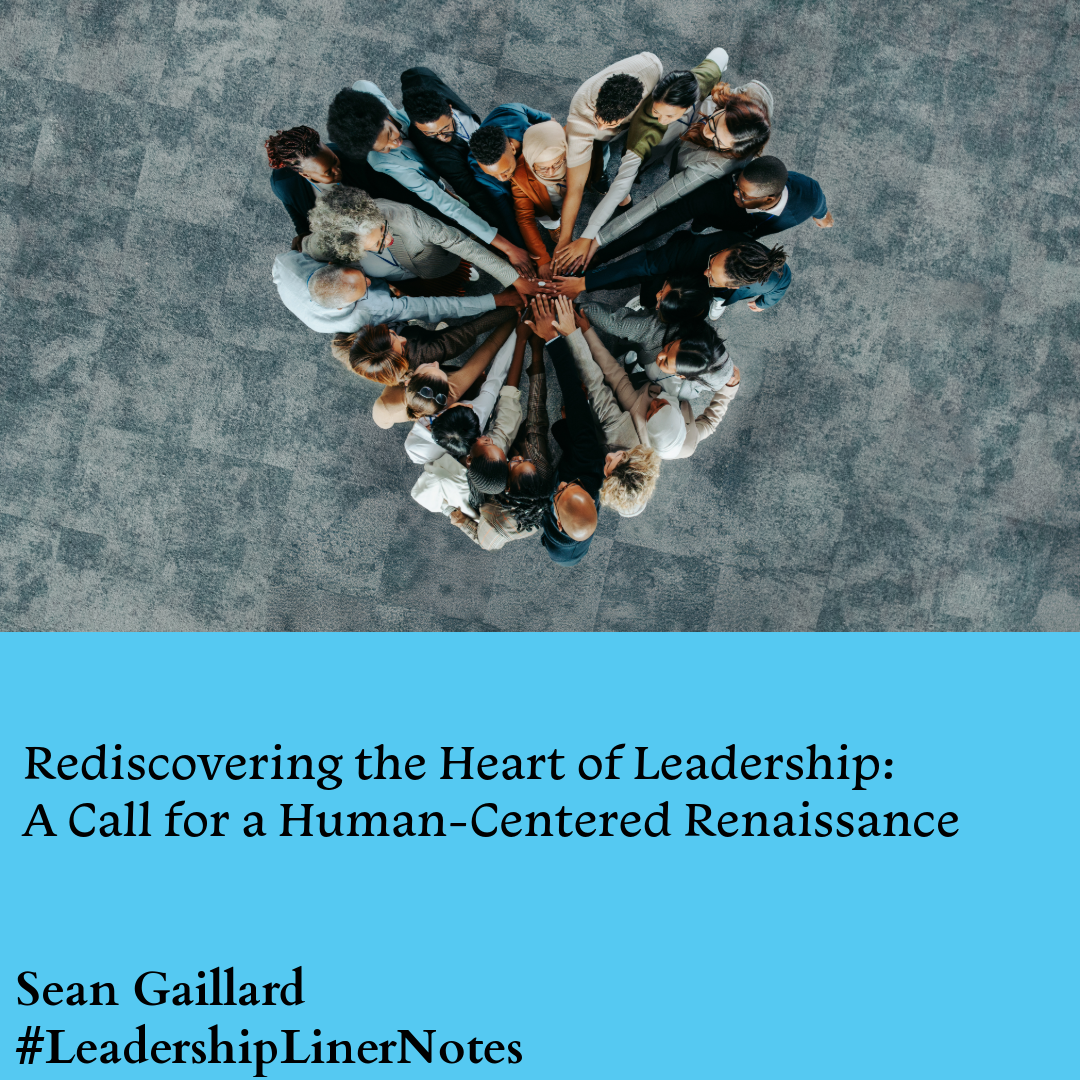
I recently read an article in Inc. that stopped me in my tracks. It argued that curiosity, not coding, is the most essential trait leaders will need for the future of work. That idea resonated deeply because it echoes what many of us in education feel but often struggle to defend. Human centeredness matters. Curiosity matters. Schools often over rely on test scores. They depend too much on canned surveys and unfunded mandates. As a result, we miss the very conditions that allow real learning to take root.

Curiosity is not an add on. Curiosity is not a kit. Curiosity is not a scripted program rolled out with fidelity checklists. Curiosity is a mindset embedded in culture. It shapes how people ask questions, how they listen, and how they engage with uncertainty. When curiosity is confined to a STEM lab or a special event, the message becomes clear. Wonder is optional. Compliance is the goal.

That is not the world our students are walking into now.

A culture of curiosity cannot exist without belonging. Students do not take intellectual risks in spaces where they do not feel seen, valued, and safe. Teachers do not model curiosity in environments where trust is fragile. Leaders cannot inspire curiosity without the conviction that belonging matters first.

Belonging is the catalyst.

When students feel they belong, they ask better questions. When teachers feel they belong, they experiment. When leaders build belonging intentionally, curiosity follows naturally. Culture is not built through slogans on the wall. Culture is built through interactions, shared experiences, and the daily signals that tell people they matter.

This belief was reinforced for me at the ISTE+ASCD Conference in San Antonio this past summer. One of the keynotes was delivered by Scott Shigeoka, author of Seek: How Curiosity Can Transform Your Life and Change the World. His message was powerful and deeply affirming. He shared research that shows deep curiosity strengthens relationships, expands empathy, and fuels innovation. Curiosity, he reminded us, is an invitation. An invitation to seek. An invitation to share what we are learning. An invitation to be open to one another.

That keynote moved me so much that I left the session and immediately bought his book for myself and for a friend. It raised questions that continue to linger. What if we inspired curiosity without inhibition? What if we were curious about each other’s gifts? What if curiosity became a shared practice rather than a private trait?

These ideas are not theoretical for me.

Years ago, when I served as principal of a STEAM Magnet Middle School, we intentionally stepped outside the schoolhouse to experience innovation in action. We formed a community partnership with the Innovation Quarter in Winston Salem, a living ecosystem of research, entrepreneurship, and collaboration. The most important decision was sending teachers first.

Teachers visited the space. Teachers listened to innovators describe their work. Teachers asked questions about how ideas move from concept to impact. No binders were handed out. No scripts were followed. Conversations emerged organically. Beliefs began to shift. Instruction changed because mindsets changed.

This work is possible in any schoolhouse.

Here are practical first steps leaders can take to build a culture of curiosity grounded in belonging.

Start with a PLC on Curiosity
Begin by naming curiosity as a shared value. Use a PLC to explore what curiosity looks like in classrooms, adult learning, and leadership practice. Invite teachers to reflect on when they feel most curious and when students seem most engaged. Anchor the conversation in real experiences rather than initiatives. Curiosity grows when people feel heard.

Lead With Questions
Model curiosity as a leader. Replace quick answers with thoughtful questions during meetings, walkthroughs, and coaching conversations. Ask students what they are wondering. Ask teachers what they are noticing. Ask teams what might happen if they tried something new. Questions communicate trust and signal that thinking matters.

Build Authentic Problem Based Experiences
Design learning experiences connected to real problems students care about. Invite students to tackle challenges in their school or community. Allow them to research, collaborate, and present solutions. Authentic problems invite ownership and deepen belonging because students see their voices matter.

Schedule Time for Curiosity
Schools protect time for silent reading because literacy matters. Curiosity deserves the same respect. Build dedicated time into the master schedule for inquiry, exploration, and passion projects. This time might look like Genius Hour, inquiry labs, or interdisciplinary exploration blocks. Time signals value.

Partner With Innovative Organizations
Seek partnerships with businesses or organizations where innovation is embedded in the culture. Invite professionals to share how curiosity drives their work. Organize site visits for staff. Allow students to see curiosity modeled beyond the classroom walls. Exposure expands possibility.

I am over test scores and canned surveys being the primary guides for the work that needs to be done in service of students. Data has a place, but humanity must lead. Human centered schools create the conditions for belonging. Belonging ignites curiosity. Curiosity fuels learning that lasts.

If schools are to prepare students for an unknown future, leaders must have the courage to protect curiosity and the conviction to build belonging. This work is bold. This work is attainable. This work is necessary.

Curiosity is not a distraction from achievement. Curiosity is the pathway.

That is the work worth doing.

If School Leadership Had a Wrapped List

As the year winds down, our inboxes begin to tell a familiar story.

Year-end notices arrive in waves. Deadlines stack up. Checklists multiply. There is an understandable push toward closure, accountability, and tying up loose ends. Much of it is necessary. Much of it is also draining, especially in a profession where the emotional labor rarely slows down.

Then, there is Spotify Wrapped.

Every year, I look forward to it in a way that surprises me. Wrapped does not ask me to prove anything. It does not measure me against anyone else. Instead, it reflects back what I returned to over time. It names patterns. It celebrates consistency. It turns data into story.

No surprise that The Beatles were once again at the top of my list. It also did not surprise me to see that I landed in the top point five percent of listeners globally. That statistic is fun, but what matters more is what sits beneath it. These are the songs I go back to when I need grounding. The music that meets me where I am and helps me remember who I am.

That contrast stayed with me.

Wrapped invites reflection. School systems often rush toward evaluation. Both look back, but they do so with very different intentions.

The Leadership Reset That Sparked the Idea

This idea began to take shape during a Leadership Reset I have been practicing and sharing with others. You can see an earlier blog post on The Leadership Reset here. It is intentionally simple and designed to fit into real days, not ideal ones. It does not need special materials or extended time. Just a few minutes of presence.

The 3 Minute Leadership Reset

Step 1. Take a Breath for 30 seconds
Close your eyes if you can. Inhale slowly and say to yourself, I am still here.
Exhale and say, I am enough.
Repeat this three times. Let your shoulders drop and your breathing slow. This is the act of reclaiming your space in the moment.

Step 2. Anchor in Gratitude for 1 minute
Ask yourself quietly:
What one small moment today reminded me I am alive?
What one connection, a smile, a song, a student, gave me a spark?
What one thing am I proud of, even if no one noticed it
?
Write it down or say it aloud. These moments are leadership echoes that ripple outward even when they feel small.

Step 3. Affirm and Reframe for 1 minute
Say these words out loud, slowly and intentionally:
I am not invisible. I am building something that lasts beyond applause.
My work is meaningful, even when it is quiet.
The music I make through service, kindness, and creativity still plays, whether or not the crowd is listening.
Let these words settle. This is the act of tuning yourself back to the right frequency.

Step 4. Reconnect for 30 seconds
Before moving on with your day, take one small action to reconnect:
Send a brief message to a friend or colleague.
Offer a kind word to a student or staff member.
Play a song that brings you joy.
These micro moments rebuild our leadership core from the inside out.

As I reached this final step, I pressed play on “Now and Then” by The Beatles. It was my number one song again for the second year in a row on my Spotify Wrapped List.

There was something deeply fitting about that moment.

The song carries themes of time, memory, and continuity. It reminds us that voices can still be heard long after the room grows quiet. That truth feels especially relevant in schools, where so much meaningful work happens without applause or recognition.

Leadership is not always loud. Teaching is not always visible. Learning does not always announce itself on a dashboard.

But the work still plays.

What If Schools Had a Wrapped Moment?

Spotify Wrapped works because it tells a story of return. It shows us what we came back to again and again when no one was watching. It honors presence over perfection and patterns over isolated moments. It gives language to what sustained us.

What if we borrowed that spirit in our classrooms and schoolhouses?

Not as another initiative. Not as something to hand in or score. Not as a tool for comparison.

But as an invitation.

A moment to pause. A chance to reflect on the year through a human lens. A way to help students, teachers, and leaders feel seen in a season that often feels rushed.


Your Year Wrapped

A Reflection Template for Classrooms, Teams, and School Communities

This reflection can be used in many ways. It serves as a journaling activity. It can spark a classroom conversation. It can act as a PLC opener. It can also be a quiet end-of-year pause during a staff meeting. There are no right answers and no expectations for sharing. The goal is reflection, not performance.

Most Revisited Moment
What moment from this year did you find yourself returning to in your thoughts or conversations? What made it stay with you?

Most Meaningful Connection
Who made this year better simply by being part of it? This could be a student, a colleague, a mentor, or someone outside of school who helped you keep perspective.

The Song That Carried You
What song, quote, book, prayer, or moment gave you comfort? What gave you energy when you needed it most? Why did it matter?

A Quiet Win
What is something you are proud of that did not receive recognition or attention? What does that say about the kind of work you value?

Your Growth Genre
In what ways did you grow this year, even if it felt uncomfortable, unfinished, or messy? What did you learn about yourself?

Your Comeback Track
On hard days, what helped you reset and keep going? What practices, people, or routines supported you?

Your Hope for What Comes Next
What do you want to carry forward into the next season with intention and care?

This kind of reflection helps us name what often goes unnoticed. It gives dignity to effort, presence, and perseverance.

Why This Matters

In education, we spend a lot of time focusing on gaps and goals. We analyze what is missing, what needs to improve, and what did not move fast enough. That work has its place, but it cannot be the only story we tell.

Reflection like this builds belonging. It helps people feel valued for who they are, not just what they produce. It reminds students that their experiences matter. It helps teachers reconnect with purpose. It allows leaders to remember why they chose this work in the first place.

Most importantly, it creates space for humanity in systems that often move too quickly to notice it.

Press Play Before the Year Ends

Before we close the year with another notice or checklist, perhaps we take an intentional pause.

We take a breath.
We reflect on what carried us.
We press play on what still brings us joy and meaning.

The music we make through service, kindness, and creativity still plays whether or not the crowd is listening. That work echoes in ways we may never fully see.

And sometimes, that is exactly enough.

If you try a Year Wrapped reflection in your classroom or school, I would love to hear how it goes. Please feel free to leave a comment here or tag me on social media. This work is better when we share the music that keeps us grounded and moving ahead.

Keep listening.
Keep reflecting.
Keep believing.

Keeping the Faith When the Room Feels Quiet

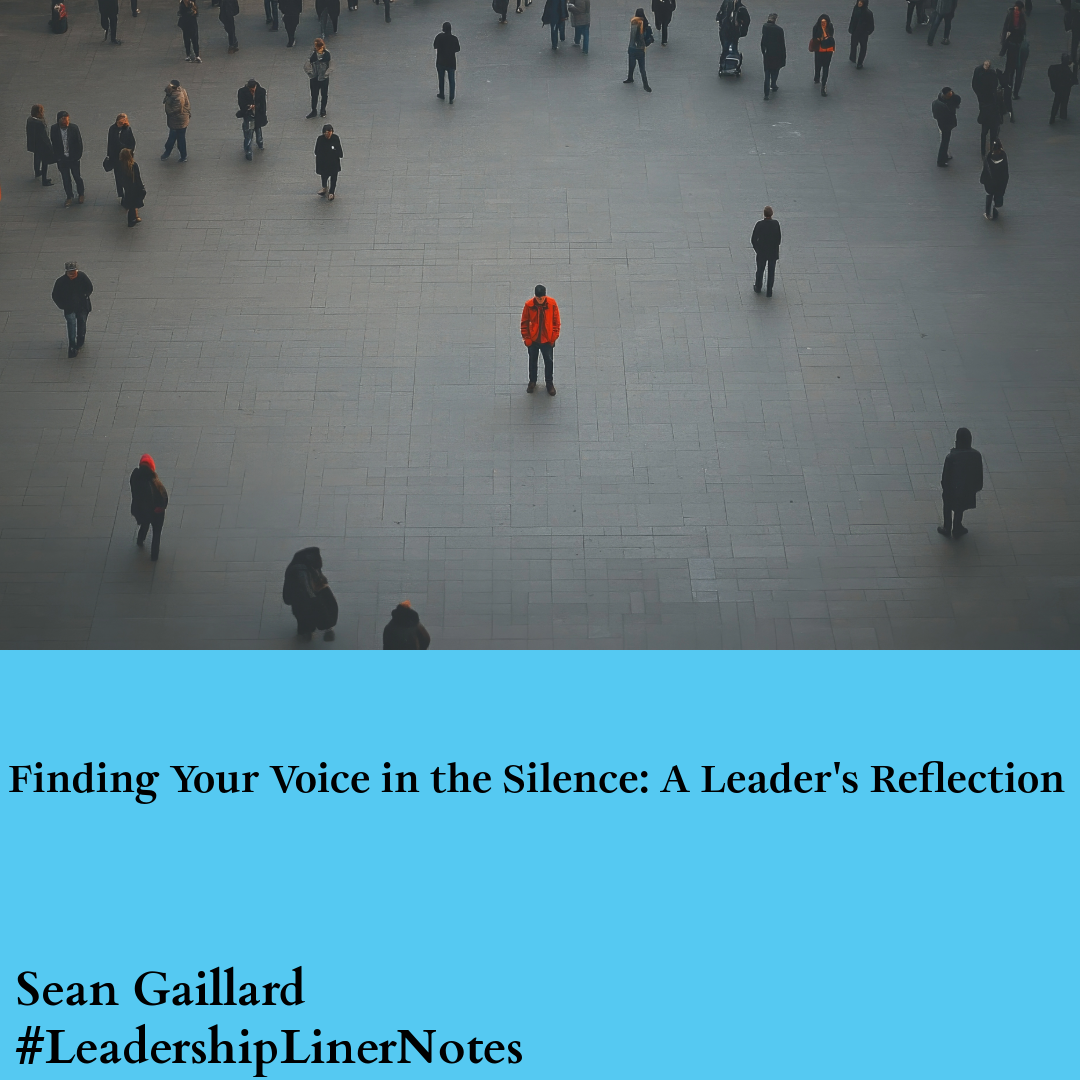
I remember being one of the last kids picked for kickball. Standing there in the dust with my hands in my pockets, waiting for someone to call my name. Everyone else seemed to belong somewhere. Everyone else seemed to have a team. That feeling has followed me into adulthood more times than I care to admit.

It rises up again whenever I put something out into the world and the room stays quiet. Every blog post. Every episode. Every reflection. Each one is a small act of courage. Each one is a piece of my soul placed gently on the table. Yet the silence that follows can hit with the same sting I felt on that kickball field.

There are days when it feels like no one wants me in their band. No replies. No call backs. No echoes of connection. I have chosen two of the loneliest gigs in the world. Leadership asks you to walk into the unknown even when no one notices. Writing asks you to offer your heart with no promise that anyone will take it. There is no applause built into any of this. There is no guarantee that your work will lead to opportunity.

So I have to keep the faith that there are quiet listeners out there. I have to trust that someone is reading or watching or absorbing even if I never hear the echo. I have to accept that my work may never be seen by the people I wish would see it. I have to keep creating anyway because that is the only way I can stay true to myself.

When doubt begins to weigh me down, I think of George Harrison. In the latter days of The Beatles, he felt like an outsider in his own band. His songs were often pushed aside. Yet he kept writing. He kept believing in his sound. Even in those difficult seasons, he delivered “Something” and “Here Comes The Sun.” Those songs became the heart of what many considered to be their greatest album, “Abbey Road.”

Then came the moment when his backlog of unheard songs found their place. “All Things Must Pass “emerged as a three album masterpiece by George Harrison. A triumph born from years of quiet rejection. A reminder that some brilliance finds its home only after the world grows ready for it. That album just celebrated its fifty fifth anniversary. It is a cherished album for me. It reminds me that the work we create in the shadows can one day light the way for someone else.

Maybe the same can be true for me. I have been part of good bands in my life. Maybe one more band is still out there. Until then, I will keep the faith even when the room feels quiet. I will write anyway. I will lead anyway. I will create anyway.

Because someone somewhere may need the sound I am trying to make. Even if I never hear the echo, the act of making it still matters.

Playing My Sound: A Way Back to Human Centeredness

A reflection on writing, creating, and staying true to the sound inside

Today is Giving Tuesday. Traditionally, it is a day to support a charity or cause with a monetary donation. This year I want to give something different. I want to give something from the heart. I want to give the gift of reflection through this post. I struggle through my own valleys. I have moments of alienation. Yet, I still want to reach out and give to you on this Giving Tuesday.

In my last blog post titled, “A Call for Human Centeredness,” I shared a wish to reclaim what matters most. We live in a world that moves too quickly and fractures too easily. In this season dominated by artificial intelligence and constant digital noise, it feels more urgent than ever to slow down. This is the time to take moments for what we truly need. Take a walk, listen to music, and connect with others in real and meaningful ways.

Leadership is a profession lived shoulder to shoulder with people, yet it can be profoundly lonely. I have carried that loneliness for many years. When you have to deliver difficult truths, the isolation can be heavy. It is also relentless when you guide crucial conversations and shoulder responsibility for others. I know the emotional toll it can take. I understand the strain that loneliness can place on mental health. It is a quiet weight that can follow you home at the end of the day.

I wave a cautionary flag in this moment. I wave a cautionary flag against replacing deep human connection with chatbots or digital interactions that try to mimic intimacy. I wave a cautionary flag against the social and political fractures that have hardened us toward one another. I wave a cautionary flag against the myth that we are too busy to connect. Human centeredness often becomes the last item on the list when it should be the first.

As I wrote earlier in the last blog post, people matter most. Moments matter most. Belonging matters most.

Technology is not the enemy. I am grateful for the early days of Twitter. It opened doors that helped me publish my first book. It allowed me to speak at conferences and form friendships that continue to sustain me. Yet somewhere along the way, the human center has been overshadowed. To reclaim it, we have to build spaces that nourish our souls rather than simply fill our schedules.

For me, writing is that space. Creating this blog and working on my next book are my ways of building time for reflection and clarity. This is where I feel the freedom to dream. It allows me to express what matters. It is also my way to connect with you. If you are reading this and feel lonely, discouraged, or fatigued, I hope these words remind you of something important. You are not alone.

Every leader needs a trapdoor that allows the soul to breathe. Recently, I opened one by starting a TikTok account and creating a small series called Vinyl Riffs. The premise is simple. I talk about records I love and celebrate the joy of music. It lets me feel like a late night radio host spinning albums for anyone who needs a song. I do not know if the videos make sense. I do not expect to go viral. However, every time I create one, I feel my joy return. I feel myself reconnect with my passions, dreams, and ideas. I feel true to who I am.

By writing and creating, I am staying anchored to my purpose. I am staying faithful to the sound inside me. If I keep playing my sound, then maybe it will resonate with someone who needs it. Maybe there is a band out there that needs me and I need them. Maybe my sound will help someone find their own.

We all need something that restores us. Something that reminds us that we are human beings and not human doings. Something that lets our souls breathe.

So on this Giving Tuesday, here is my gift. An invitation.

Find the thing that fills you up and make space for it.
Write. Sing. Paint. Walk. Play. Listen. Build. Dream.
And most importantly, connect.

Because when we create, we reconnect with ourselves.
And when we reconnect with ourselves, we create space to connect with others.
This is the heart of human centeredness.
This is the gift worth giving.

To borrow wisdom from The Beatles, words that have guided me through so many seasons:

“And in the end, the love you take is equal to the love you make.”
-Lennon and McCartney

May we continue to make love visible through connection, creativity, and courage. If you need a bandmate on that journey, I am here.


A Call for Human-Centeredness

During this week of Thanksgiving, I am reflecting actively on the things I am grateful for this year. I am zoning in on those people who have filled my bucket with inspiration in meaningful ways. The last two years have been filled with intentional paths. I am intentionally focusing on inspiration for my self care. This approach benefits my well being. My PLN has been an oasis for inspiration and connection and belonging. I have been fortunate to develop authentic friendships beyond hashtags and GIFs with a select few.

There are two individuals who I want to honor in this space. I have been blessed with their friendship. Both have been mentioned here before and both have been guests on my podcast. This time, I want to share how both serve as beacons for human centeredness.

Meghan Lawson and Maria Galanis are humble voices in my PLN. They create space for belonging in the way they craft their content. Meghan writes a weekly blog that stirs the soul. Her Instagram is a pocket of joy. She shares inspiring words and pictures of her cats. She also shares the delight of friendships and learning communities. Maria posts beautiful reminders about cherishing family. She shares her love of Coldplay. She also celebrates those magical moments when she finds images of hearts in the wild.

Most importantly, both remind us what it means to be human centered. Their content is never about promoting themselves. They uplift our humanity in the joy they capture and share. Maria literally shares the images of hearts she discovers in her travels. Meghan shares the joy she feels when she amplifies the voices of others.

Human centeredness is not a buzz word. It is a mindset that our world needs more than ever. Especially in education. Too often we are buried in acronyms and staged icebreakers and meetings and data points. Human centeredness is the pause we take. It allows us to connect with others through a kind word. We also ask an authentic question and call out the good in the moment. We do not do it enough in our profession in my opinion. Human centeredness is the spark that ignites belonging. We sustain it when we lean into each other and take the time to help one another along the way.

The other day before Thanksgiving Break, I was passing out Little Debbie snack cakes. It was not a stunt for social media. It was an entry point to connect with the people I serve. I wanted to express gratitude. I wanted to listen and share a moment of joy face to face. I wanted to stand together as humans and bandmates.

This is the path I want to walk with intention. I want to offer a pathway for others to embrace human centeredness. I want to express gratitude for Meghan and Maria. They inspire me to live with greater presence and heart. I am grateful for our friendship.

Here is the simple truth that rises in my heart. People matter most. Moments matter most. Belonging matters most.

May we listen more than we speak. May we see one another fully and without agenda. May we choose connection over convenience. May we choose love over hurry. May we lift each other through small gestures that echo far beyond the moment.

When we lead from a place of human centeredness, we create rooms where others feel seen and valued. People feel safe to become who they are meant to be. We create communities where joy grows. We create teams that play like bands in perfect rhythm.

That is the work that lasts. That is the work that changes schools and lives.

Here is my invitation. Let us keep our hearts open. Let us reach across the divide with generosity and presence. Let us build something beautiful through the way we treat each other.

Human centeredness is not a strategy. It is a way of being.

And everything starts there.

Finding My Band

When I was a kid, I was often one of the last picked for kickball. I remember the sting of waiting. I stood in awkward anticipation. I hoped someone would invite me on the team. I did my best to keep my head held high like my father had taught me. I watched captains point to someone else and tried not to show my disappointment. I was that kid hoping to belong. Hoping to be seen. Hoping to be chosen.

I think I have spent most of my life chasing that feeling of belonging. Wanting to be part of something bigger than myself. Wanting to feel the spark when you look around and know you are with your people who see you. Wanting a band.

A band for me is not just the literal type where individuals play music together. I use the band as an analogy for collaboration, belonging, and sustaining a shared vision. As a school leader, I would perpetuate this concept by referring to colleagues as “bandmates.” I thought that this mindset would help the culture and enhance belonging for all in the schoolhouse.

Being in a band is wonderful. There is purpose and possibility in the sound you create together. I felt that sense of belonging as a guitarist in a few literal bands. There is nothing like locking into a groove. Seeing another musician look over with that nod says we are in the pocket. I felt that same belonging when I taught English at Governor’s School. I was surrounded by a team of educators who celebrated collaboration and creativity. I felt it a few times in school leadership within administrative teams that shared a vision and worked in harmony.

Spinning on my turntable as of late is “The Beatles Anthology Collection.” It is a treasure trove of alternate takes, live recordings, and demos. It also includes unreleased tracks and a trio of their reunion songs. I love hearing the band workshopping songs and encouraging each other through various mistakes and flubs in the studio. It serves as a reminder of what a band should do when they face an echo of a failure. They should handle the resonance of a mistake wisely and stick together. You play through it, learn from it, and keep the groove moving on. Listening to this beautiful audio package of The Beatles in this alternate trajectory is wonderful. It makes me miss the joy of being in a band. I miss being with people who understand my sound.

Lately, I have been drifting. Feeling like a castaway. Wandering around a crossroads. Watching from a distance as others find their bands. I see camaraderie and connection and I often feel sadness that I am not part of it. Recently, I saw a group of leaders celebrating together in a LinkedIn post and I felt left out. I felt that old kickball feeling. The one that sits heavy.

For a long time I thought that if I waited long enough a band would find me. That a group would invite me in. That someone would want my presence, ideas, and voice. I waited. I believed. I hoped.

And then it hit me. I was waiting for a band that was never coming.

I have also forced the idea of band on others over the years. I regret that. Not everyone is ready to be in a band. I never took the time to realize that I am the barrier to the band. And the harder truth to accept is that maybe nobody wants to be in a band with me. Maybe I am not meant to join someone else’s group. Maybe I am meant to build something from the ground up. I am learning to sit with that. I am learning to accept it with honesty.

So here is where I am now.

I am at peace with where I am now.

I am at peace with the people I get to meet and support daily.

In the meantime, I am forming my own band.

Not by asking others or convincing colleagues or trying to prove myself that a band is the way to go. Not by waiting for an invitation that will never arrive. I am just going to keep creating. Keep writing. Keep podcasting. Keep blogging. Keep finishing the second book. Keep playing my sound without apology.

If I stay true to that maybe the right bandmates will hear the music. Maybe the ones who resonate with authenticity will wander into the room. Maybe belonging is not something you wait for. Maybe belonging is something you build.

I believe in the band. I always have.

And the next track begins now.

Everyday Begins Again: A Leadership Riff for the Crossroads

There is a scene near the end of Mad Men that has been living in my mind lately. It appears in “The Milk and Honey Route,” the penultimate episode of the entire series. Don Draper is sitting alone on a simple wooden bench at a literal crossroads. His past is heavy. His sense of identity is shaken. Every illusion he has held onto is slipping away.

He is not in a boardroom. He is not commanding a room or crafting the perfect pitch. He is simply a human being at a crossroads waiting for a bus. Two roads stretch away from him. The world around him is still and quiet. Then Buddy Holly’s song, “Everyday,” begins to play. It is light and gentle almost innocent against the weight of everything happening in his life. Don does not say a word. He simply smiles. It is small and worn but it is real.

And in that moment the crossroads becomes something else entirely. It is not a sign of failure. It is a place of possibility. A reminder that endings are also invitations. A signal that a new chapter might be waiting just beyond the next turn. That scene has always stayed with me and it echoes especially whenever I reach crossroads. The crossroads can sometimes be a place where I feel like a castaway from my own story. It sometimes resonates as place where the past feels louder than the future.

But crossroads are also moments of choice. They remind us that the narrative is not over.


Leaders Are Human First

Leadership can trick us into believing that we need to be composed and clear at all times. But human centeredness asks us to stop pretending. It reminds us that we can feel discouraged. We can feel disconnected. We can feel unsure. We can feel deeply human.

We cannot foster belonging for others if we ignore our own longing.
We cannot create connection for others if we are afraid to name the disconnection inside of us.
We cannot invite others to honor their gifts if we forget the gifts we carry.

When we forget our humanity leadership becomes empty.
When we honor our humanity belonging begins to grow.


Taking Back the Narrative

Lately, I have been wrestling with my narrative. The old version no longer fits yet the new one has not appeared in full shape. That in-between space can make even the strongest leader feel small. It can stir up doubt. It can amplify old wounds. It can convince us that we have failed.

But the narrative is not fixed. It is alive. It breathes.
We have the ability to reclaim it.
We have the ability to reinterpret the past.
We have the ability to decide what comes with us into the next chapter.

Reclaiming a narrative does not require us to erase pain.
It requires us to believe that we are still in the story.


How Might We Move Forward

I have been sitting with a set of big questions. Quiet questions. Honest questions that come from a place of wanting to understand what comes next.

How might we create belonging when we feel lost?
How might we honor our gifts when doubt feels heavy?
How might we acknowledge the seasons that humbled us?
How might we carry on when the path does not reveal itself?

Maybe the answer is simpler than we think.
We choose the next small step that moves us forward.
Not the perfect step.
Not the loudest or most impressive step.
Just the one that points toward healing and growth and connection.

Forward is not about speed. Forward is about intention. There is always a way forward at a crossroads.


A New Narrative Begins With One Step

Crossroads do not require us to know the entire map. They only require us to breathe to rise and to choose. Leaders carry the responsibility of illuminating a future path for others. That same responsibility calls us to illuminate a future path inside ourselves.

We keep showing up.
We keep tuning into the gifts that are still there.
We keep noticing the gifts others bring.
We keep giving ourselves permission to change.
We keep claiming belonging even when we feel like castaways.

Most of all we keep writing the next sentence of our narrative with honest hope and steady courage trusting that more of the story is still waiting to be revealed.


Your Move at the Crossroads

If you find yourself at your own crossroads I hope you remember this. You are not alone. You have not failed. You have not reached the end. You are standing in a place where your narrative can open into something new and meaningful. A place where the horizon stretches in every direction. A place where you get to choose the next chapter.

There is a future waiting that you cannot yet see. But it will meet you as soon as you take the next step toward it.

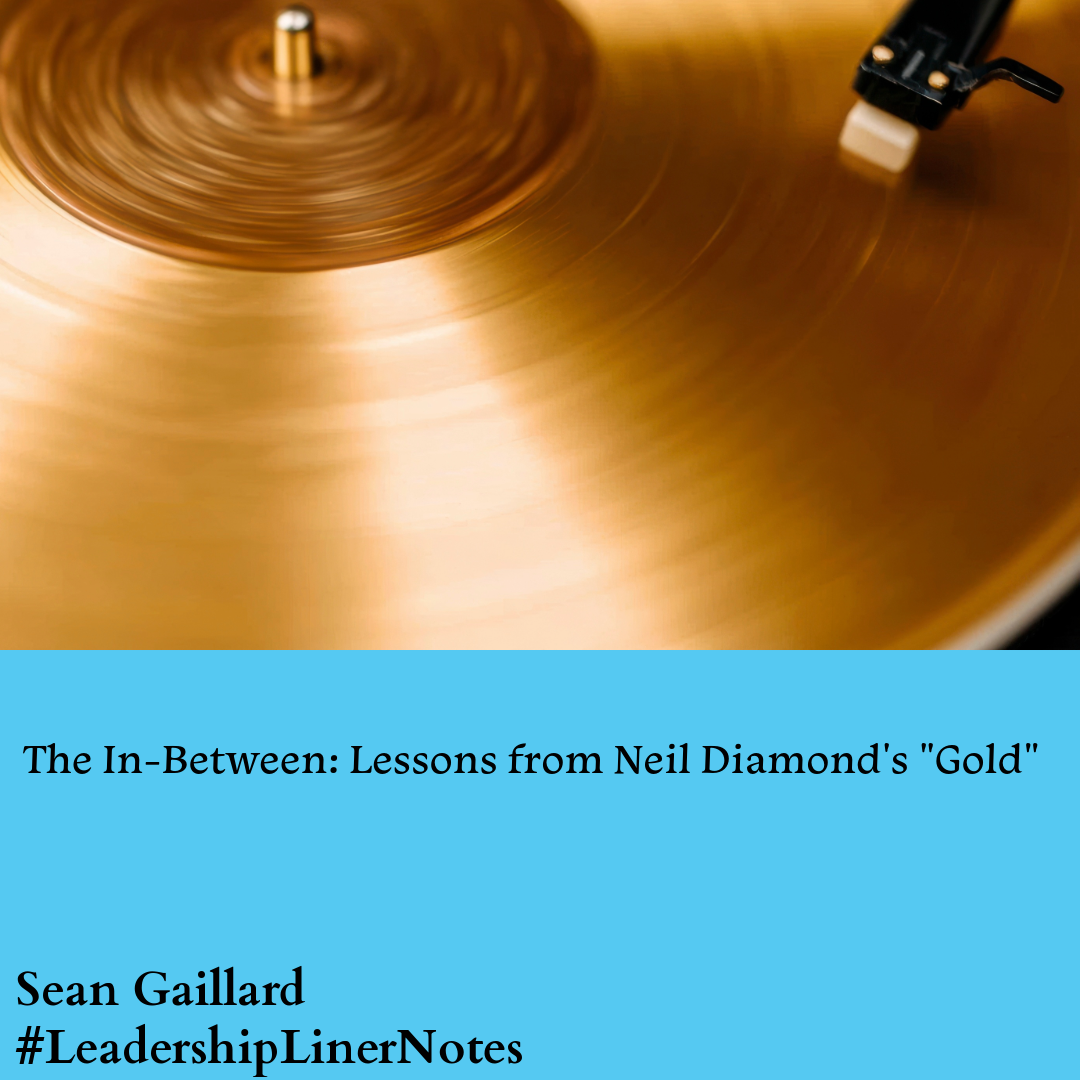
In the Liminal: A Leadership Riff

There are seasons when the music fades and all that’s left is the echo. You find yourself standing in the hallway between what was and what’s next. The applause has stopped. The setlist is blank. It can feel lonely, alienating, and rough. Yet this space, the liminal, often carries the quiet rhythm of our becoming.

Every artist and every leader eventually enters this space. It’s not failure. It’s the necessary silence before the next riff.

The Sound of the In-Between

David Bowie once walked away from his own fame. After Ziggy Stardust, he felt trapped inside the glitter and noise. He moved to Berlin, stripped his sound to its essence, and created Low and “Heroes.” Those albums didn’t just reinvent his music; they reinvented him. Bowie found clarity in exile.

Bruce Springsteen did the same when he recorded Nebraska. Alone with a cassette recorder, he traded stadium lights for solitude. Those stark songs revealed a deeper truth: sometimes the loudest growth happens in quiet rooms.

Aretha Franklin’s Amazing Grace marked her own liminal awakening. She paused the pop spotlight to sing from her foundation. By returning to the gospel roots that first shaped her voice, she reminded the world and herself where her power began.

Johnny Cash, long written off by the industry as an oldies act, found redemption through American Recordings. One man, one guitar, one truth. The stripped-down sound of renewal.

Paul Simon, after heartbreak and creative uncertainty, traveled the world and discovered Graceland, an album that is proof that curiosity and collaboration can pull us from the shadows into new light.

Each of them faced an in-between. Each emerged with something truer, deeper, and more human.

The Leadership Riff

Leadership has its own liminal moments. The band breaks up. The stage lights dim. We’re left wondering if what we created mattered at all. It’s tempting to see these stretches as endings, but they are often tuning sessions. These are times to recalibrate, rediscover, and ready ourselves for the next song.

These moments test us. They strip away the applause and ask, Who are you when no one’s listening? They demand honesty and patience. They can feel endless. Yet this is where the next riff takes shape.

A leadership riff is born in those quiet intervals when we listen more closely to the rhythm beneath the noise. It’s the small act of courage to keep playing, even when the room is empty.

The Stage Beyond the Silence

Growth is rarely glamorous. It’s often silent, slow, and unseen. But it’s in those moments when we are not center stage that our next chapter quietly tunes itself.

Like Bowie, we learn reinvention.
Like Springsteen, we rediscover simplicity.
Like Aretha, we return to our roots.
Like Cash, we reclaim authenticity.
Like Simon, we find new rhythms in unexpected places.

The liminal isn’t the end of the concert. It’s the soundcheck for the encore.

So if you’re in that hallway right now feeling unsure, unseen, and waiting for direction trust that the next song is coming. This is the space where your voice deepens, your purpose sharpens, and your leadership takes on a new sound.

Keep playing. The world will hear you in time.


Author’s Note

This reflection is part of the evolving ideas that will shape my next book, Leadership Riffs: Harmonizing Inspiration, Innovation, and Impact. It’s about the music that plays in the background of leadership: the improvisation, the courage, and the faith to keep going when the crowd goes quiet.

🎧 Follow more reflections and episodes at seangaillard.com.

The Sound That Prevails: Leadership Lessons from Nick Drake and Unseen Impact

The Vinyl Moment

This morning, I started my day with a cup of black coffee and a vinyl spin. I always appreciate the reflective warmth of time alone with coffee and the crackle of the needle on an album. I decided to start the day with Nick Drake’s “Five Leaves Left.” His 1968 debut is going through a renaissance of source with a recently released multi-disc archival reissue. “The Making of ‘Five Leaves Left'” was recently nominated for a Grammy Award for Best Historical Album.” “Five Leaves Left” is timeless and intimate with the delicate stylings of Nick Drake’s voice and solid layers of his acoustic guitar fingerpicking. Some of the tracks resonate with the lush sensitivity of orchestral accompaniment. Unfortunately, the quiet beauty of this music was largely unheard in Nick Drake’s lifetime. The album did not chart in the artist’s United Kingdom homeland or the United States. It is estimated that “Five Leaves Left” my have sold 5,000 copies initially. A few UK critics admired the album and praised its songwriting, but Nick Drake’s debut did not serve as the basis for any triumphant herald.

There is something sacred about starting the day with Nick Drake on vinyl. The gentle crackle of the needle gives way to his quiet voice, fragile yet eternal. In his lifetime, few listened. His albums never charted. His songs drifted into silence before they could find an audience. Yet decades later, his music has become a timeless canon that reaches hearts he never lived to know. I think about that often as a leader. We may never fully know the reach of our work or the appreciation we long to feel. We hear the critiques, the surveys, the noise of what is wrong. But somewhere, in the midst of that silence, our sound still carries. It reaches someone. It matters.

The Unheard Artist

Nick Drake’s musical career continued on that same trajectory as his debut. He released two more albums in his lifetime. None of them charted and received little radio airplay. Nick Drake also struggled with promoting his work due to his lack of confidence with live performance. The record company believed in his artistry but struggled with how to market and promote him. Nick Drake also struggled with depression. Tragically, Nick Drake died at 26 unaware of how profoundly his music would resonate decades later.

There’s something in the story of Nick Drake that mirrors leadership. The work we do as leaders is sometimes unseen, unacknowledged, and often uncelebrated.

The Leader’s Quiet Stage

As a school leader over the years, I have had my share of complaints, negative survey outcomes, and feedback that can sting. It’s easy to for others to fixate on what’s wrong or missing from your leadership. In those moments, it can alienating like no one can hear the song you are trying to play. Even though these moments are fleeting, sometimes they can fester. I can definitely acknowledge the emotional cost that those moments can ignite spaces of self doubt, loneliness, and Imposter Syndrome. We have to tune into the belief that leadership, like art, is an act of faith that the sound will reach someone even if you never know it.

A Therapeutic Takeaway for Reflection

In a recent conversation with my therapist, he encouraged me to sit still and reflect upon the impact that I had made over the years as a school leader. It was a timely reminder that I took to heart as we bemoaning the negative moments and allowing them permission to define my core and impact as a leader. Sometimes, it’s not loud applause but quiet ripples that matter the most. Those quiet ripples like a teacher’s growth, a student’s success or a colleague’s encouragement that resonate in ways that we never know. We just have to know that when we lean into the gifts of others that we are making an impact. We have to believe in ourselves even on the days when we think no one believes in us.

An Unlikely Impact in a Volkswagen Commercial

Nick Drake’s songs eventually reached millions nearly 25 years after his untimely death. The resonance of his beautifully wrought music from his small corpus of three albums took time, but it happened. In 1999, a commerical promoting the Volkswagen Cabrio used the title track from Nick Drake’s final album, “Pink Moon.” A massive revival of Nick Drake followed and the small cult following that had kindled the flames of Nick Drake’s work felt validated by this movement. I remember seeing said commerical and almost falling off my couch. I had lovingly kept, “Way to Blue,” a compact disc complilation of Nick Drake’s music as one of my most cherished albums. I was in a small club of devoted followers who were drawn to the ache of Drake’s music-the bittersweet, poetic lyrics, the complex guitar tunings, and the moving production. Now, Nick Drake was catapaulted into legendary musical infinity. His voice now timeless and boundless for future generations to discover and cherish.

In leadership, sometmes our influence often plays out long after the moment. The sound of encouragement, belief, and kindness endures even if we never hear it echoed back. When we do hear that echo land back to us, it is important that we treasure that moment and know that our presence mattered to someone else. We should take stock of that moment of impact on someone else and be grateful that our presence mattered to someone else and proved to be a salve for that person.

I think of the leaders and teachers who saw something in me that I did not see in myself and I am grateful. As best as I can, I try to let that past leaders and teachers that their seemingly small act of seeing me and believing in my worth changed my world. Even though Nick Drake passed away when I was a mere child of four years and an ocean away, his music made my days less lonely when I was questioning my own journey. Now, I unabashedly give thanks for the music and legacy of Nick Drake.

Keep Playing

Even when appreciation feels absent, keep playing your song. Leadership is not a performance for applause or validation. Sometimes, it’s a quiet composition for connection. The work we do may not always be noticed, but it still matters. Somewhere, in a classroom, a meeting, or a passing moment, a note of what you’ve created is resonating. The sound may be soft, but it carries. Keep playing, even when the room feels silent. Trust that your melody will reach someone who needs it, even if you never hear the echo. The sound prevails.


Here’s the famous 1999 Volkswagen commercial featuring Nick Drake’s “Pink Moon.”

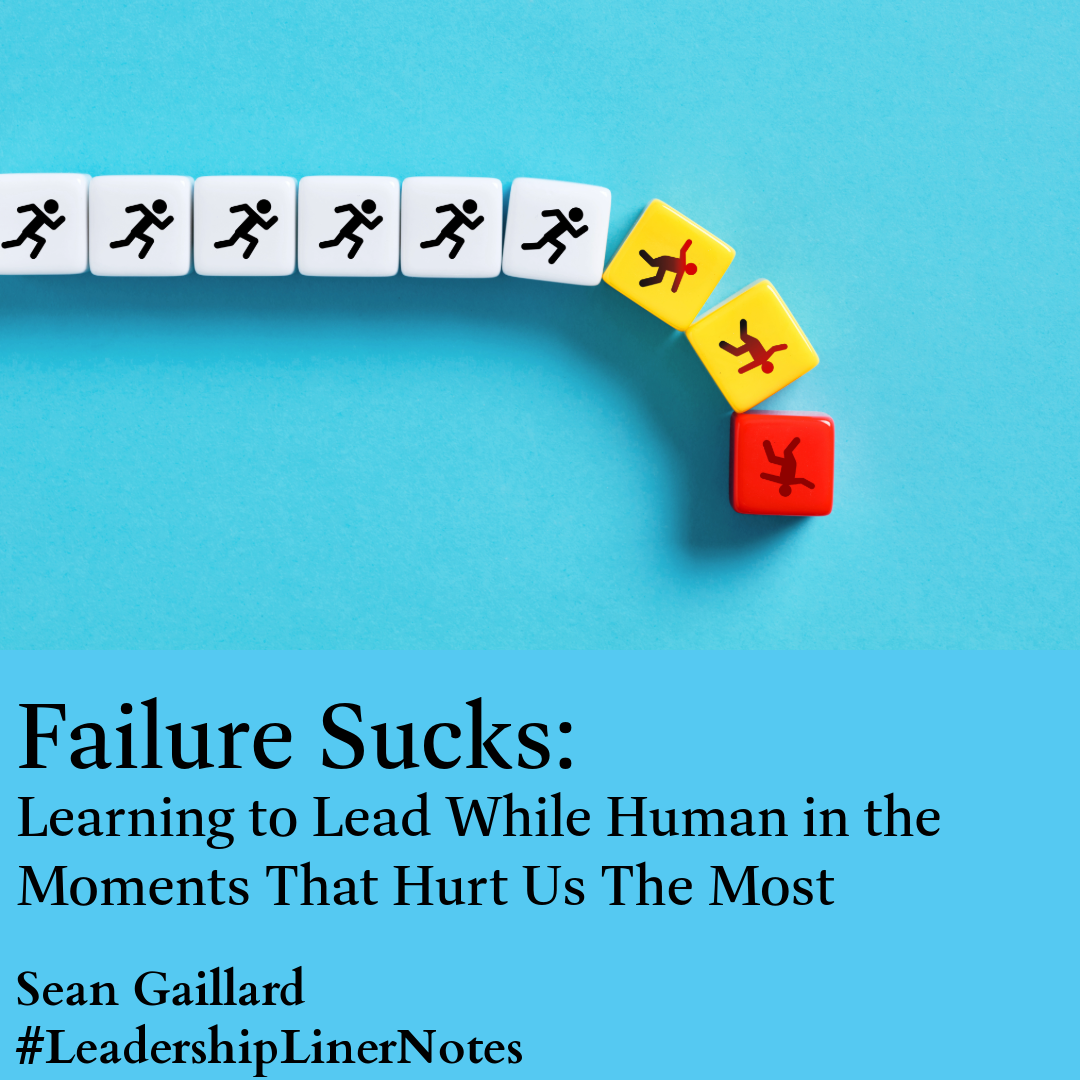
Failure Hurts, But the Beat Goes On

Failure hurts. There’s no sugar-coating that simple truth. When the Beatles were turned down by Decca Records, it could have been the end of their story. But it wasn’t. They found another path and changed the world. As I wrote in The Pepper Effect, that “no” was just the prelude to a bigger “yes.”

And they’re in good company. Walt Disney was once fired for “lacking imagination,” and Oprah Winfrey was told she was “unfit for television” before becoming a media icon. Each of them had moments that could have ended their journeys, but instead, they used those setbacks to fuel their next success.

In leadership, we all have those moments. And I’ll say personally, I’ve had my own failures. Sometimes the things I write or the ideas I share don’t resonate the way I hope. Sometimes a well-intentioned plan becomes a flop and I fall on the sword of doubt. Each of those moments is a chance to keep creating, keep pushing, and keep striving. It’s a reminder that our perseverance can inspire others to do the same.

In leadership, we face our own versions of these stories. Sometimes failure lands on our shoulders alone, and it feels isolating. The secret I have learned over the years is that failure is less sharp when you’re in a band, when you have those who know you and stand by you. It’s easier to turn a setback into a new song when you’re not playing solo. That’s why it is essential to surround yourself with those who support and empower you. That’s why it is essential to stay connected with those who knew you and stood by before you got the leadership gig, corner office, or prestigious title.

When failure comes, and it will, remember that you’re not the first and you won’t be the last. Take a breath, lean on your bandmates, and see failure as the beginning of a new opportunity. Failure is the spark for something greater. I know that failure can hurt and force you to stand still in the marrow of your doubts. Someone needs your spark and there is a band relies upon your sound. One day, your failure story will be the inspiration for someone else and may even be that spark that sets the world as a better place for others.

When failure comes, let it be your cue, not your curtain call. Let it remind you that you’re not alone, that your story isn’t over, and that the band is still playing. Every “no” carries the seed of a future “yes.” Every closed door echoes with the sound of what’s next. Lean into your vision, surround yourself with those who believe in your song, and keep showing up with your whole heart. Because someone out there needs the music only you can make.