Tune in for the latest episode of #PrincipalLinerNotes with my special guest, Kim Strobel. I loved every minute of my time with Kim. She is an inspiring keynote speaker, consultant, former educator, and author of #TeachHappy. Kim is also a Happiness Coach and this conversation with resonate with much happiness for you.
Learn more about Kim and order #Teach Happy book here .
Here’s a special bonus episode of “The Principal Liner Notes Podcast.” This is an instant episode in honor of the 57th Anniversary of my favorite album by The Monkees. Stay tuned for another episode to post very soon featuring a very special and inspiring guest. Podcasting is my passion and I love the conversation, connection, and growth in each episode. You can subscribe to my podcast here: https://podcasters.spotify.com/pod/show/sean-gaillard or follow on YouTube here: https://youtube.com/@seangaillard3841?si=d3ZqaoJOxmUHChAu.
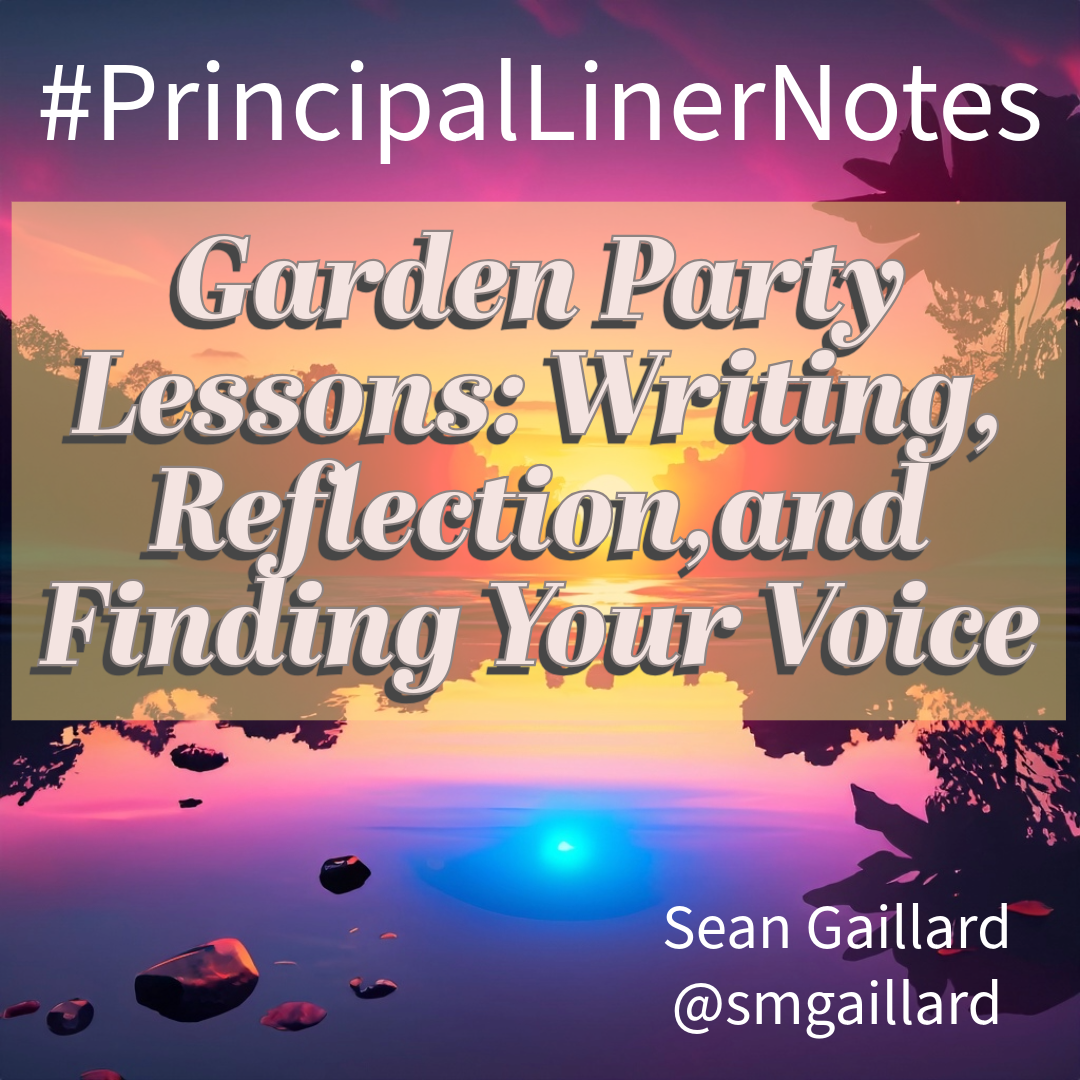
There, I had done it. I clicked the “Publish” button on my blog post draft. I could almost hear the applause in the background. The feeling of accomplishment in completing a piece of writing is a rush that emanates with satisfaction. I am not a mountain climber, but I do feel like I am perched proudly atop Mt. Everest. Writing has a grind similar to a hard workout, and once completed, there’s an exhilarating sense of achievement, a triumph over the doubts that come with sharing your ideas with the world.
I write for many reasons. First and foremost, I simply love it. I love the process and the connection it fosters with others. Leadership can be a lonely endeavor, and writing for me is a gateway to individual reflection, propelling me toward deeper connections. I want my words to resonate with kindred spirits. It can be challenging for leaders like me to find such connections, so I strive to maintain outreach, always seeking opportunities for connection, collaboration, and growth.
Lately, that connection through content creation has slowed due to a recent health scare. As a result, my nerve endings are a little more sensitive. However, I am back to a good place with my health and am channeling my reflections from that time into my content creation.
I hope that my gradual return to content creation will be welcomed with open arms by those who have followed me. I envisioned being victoriously held aloft by others in my professional learning network.
Well, none of those daydreams became realities. Consequently, I found myself in a brief space of doubt. Imposter Syndrome reared its ugly head and invited me to dance. I entertained the idea of taking down my content, feeling as though my blog posts and podcasts were adrift in an echo chamber of unacceptance. I believed my words had value and meaning, but the lack of likes and retweets made me feel less valuable as a writer and podcaster. I fell into the comparison trap, measuring my worth based on social media metrics.
This wasn’t the first time I had tasted this despair. Since my health scare, I have been feeling things more deeply. I was ready to fade into the shadows. Then, I got a timely reminder from a song and my favorite human.
Two Important Questions
My wife, Deborah, always reads me at the right time. She saw something I had posted hinting that I was going to withdraw from creating content. Deb simply asked me two questions:
“Why do you write?” “Who’s your audience?”
My response was that I write to express myself and connect with others. As for my audience, there is no specific target because I write primarily for myself. Now, I am simplifying a complex conversation for the purposes of this blog, but her questions really hit home. Essentially, it doesn’t matter who likes, retweets, or shares if my purpose in writing is for myself. If my words connect with others, then that’s a beautiful bonus for which I am honored and grateful. If they don’t, that’s okay because I am doing something to fill my soul.
Deb’s words carried me to thinking about that classic song by Rick Nelson, “Garden Party.” The song tells the true story of Nelson playing a 1950s Rock & Roll Revival Concert at Madison Square Garden circa 1971. Nelson had changed considerably since his heyday as a 1950s television and Rock idol. He showed up with long hair, bell bottoms, and a purple velvet shirt. His set included recent songs from The Rolling Stones and Bob Dylan. The audience did not take kindly to this new version of Rick Nelson, a far cry from the teenage idol they had grown up with. There were reports of Nelson being booed off the stage.
Regardless, Rick Nelson took the elements of this episode of failure and transformed it into a Top Ten hit in 1972. “Garden Party” became the signature song of Rick Nelson’s career. In the song, Nelson reflects on the lessons learned from the audience’s rejection and sums it up beautifully: “But, it’s alright now, I learned my lesson well/You can’t please everyone, so you got to please yourself.”
A timely connection for me and anyone struggling to find their footing in the space of content creation. I have to remember that writing is my outlet. If others gather meaning from it, then all the more reason to continue. It’s important to maintain the truth in our expression. Rick Nelson did not compromise his artistic principles, and neither should I. It’s important that I should continue to write from my heart and keep at the process. I simply enjoy it. Creating content in the written word and digital production is an essential outlet to do what I want to do.
Deb’s words of wisdom and the lyrics from “Garden Party” lifted me to a new level of confidence in my expression.
3 Moves for Content Creation Confidence
In the journey of content creation, maintaining confidence is crucial. Here are three steps to help you stay confident:
Remember Your ‘Why’: Always keep in mind why you started creating content in the first place. Whether it’s to express yourself, connect with others, or simply because you love it, your reason is valid and important.
Focus on Authenticity: Stay true to your voice and message. Authenticity resonates more deeply than chasing trends or likes. When you are genuine, your content will find its audience.
Celebrate Small Wins: Acknowledge and celebrate each step of your journey, whether it’s finishing a draft, receiving positive feedback, or simply pressing ‘publish.’ These small victories build your confidence over time.
Your content matters because you matter. Embrace your unique voice and share it with the world, knowing that your words have the power to inspire, connect, and uplift others. Keep writing, keep sharing, and keep believing in yourself. I believe in you and the world needs your voice.
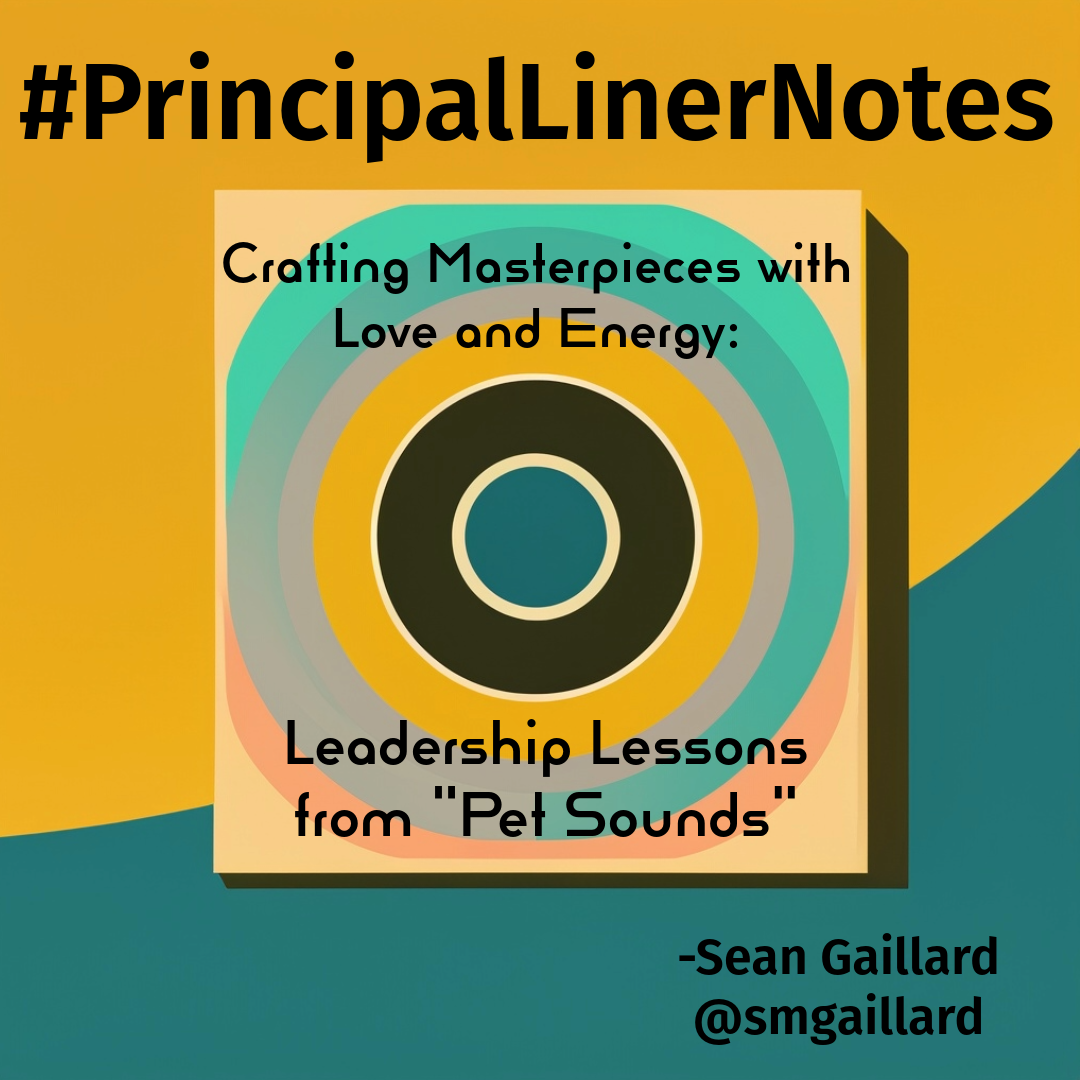
As the seasons change, I find myself drawn to celebrate an album that holds a special place in my heart—one of my all-time favorites. I have a deep appreciation for the historic moments marked by the arrival of great works of art. As I write, “Pet Sounds” by The Beach Boys plays joyously in the background. Today marks the 58th anniversary of its release. Although the album debuted four years before I was born, it profoundly impacted my life and continues to resonate with me.
“Pet Sounds” is deeply embedded in my musical soul. It is widely regarded as a masterpiece, often mentioned alongside the monumental works of Beethoven and The Beatles. When we discuss what constitutes a masterpiece, we frequently refer to Beethoven’s 9th Symphony or The Beatles’ “Sgt. Pepper’s Lonely Hearts Club Band.” “Pet Sounds” undoubtedly belongs in this illustrious company.
Brian Wilson, the visionary composer and producer behind The Beach Boys, elevated 1960s pop music to symphonic heights. Collaborating with lyricist Tony Asher and bandmate Mike Love, Wilson crafted a concept album that transcended the band’s earlier surf and car-themed hits. More than a million records sold, and 58 years later, “Pet Sounds” remains a lushly orchestrated album, showcasing The Beach Boys’ genius harmonies and backed by the legendary session musicians of The Wrecking Crew.
Members of The Beatles and their producer, George Martin, have often cited “Pet Sounds” as a crucial influence on their own work, particularly the “Sgt. Pepper” album. Paul McCartney has repeatedly called it the greatest album ever made. It consistently ranks high on lists of the greatest albums of all time; in 2020, Rolling Stone magazine placed it at #2 on their “500 Greatest Albums of All Time.”
To me, “Pet Sounds” symbolizes creative courage. It reminds us that we all have the potential to create something extraordinary. We may not possess Brian Wilson’s musical genius or Frida Kahlo’s visual artistry, but I believe we all have a spark to create something timeless and impactful. Anything we create that positively influences someone is, in my view, a masterpiece.
On Brian Wilson’s social media, there’s a clip celebrating the release of “Pet Sounds.” In it, Wilson reflects on the album’s enduring beauty and impact:
“Well, the reason why I think ‘Pet Sounds’ did so well is that we put a lot of love into it… love and energy… It was a combination of good energy and good love.”
Love and energy. These simple elements, according to Wilson, are the foundation of his masterpiece’s creation and longevity. Is it really that simple? Evidently so, if we listen to Brian Wilson.
I believe we should all aspire to create something that can be deemed a masterpiece. For leaders, adopting a masterpiece mindset is an aspiration that resonates with the “better angels” of any organization, team, school, district, classroom, or department. When we infuse love and energy into our endeavors, we create masterpieces. Small actions and efforts weave together to form a tapestry of greatness.
We have the opportunity to act with love and energy. That’s the leadership lesson of “Pet Sounds.” Lead and inspire others with love, energy, and purpose. When you do that, you create a masterpiece like “Pet Sounds.”
Taking time to pause and reflect is essential for leaders. Placing love and energy at the heart of our actions can transform and leave a lasting legacy, much like a masterpiece.
Leaders need a soundtrack. Not just a playlist for meetings and icebreakers. Our journey is driven by service and selflessness, often forgetting to nurture our own well-being. I’m talking about a personal soundtrack for leaders—a melody that resonates with peace and balance in our lives. Music is the universal remedy that stirs deep emotions and memories.
For me, the world is a soundtrack filled with sounds, notes, and harmonies. Music is the divine thread that connects us to our shared humanity. Each of us carries a beat that shapes our days. I often associate memories with specific songs or albums. For instance, when I hear Bruce Springsteen’s “Girls in Their Summer Clothes,” I’m transported back to a warm June afternoon. The song blared from my car windows as I returned home from school. Spotting my three daughters playing joyfully in the backyard, I was enveloped in a moment of pure bliss. We ran to create each other with hugs and kisses. The song seemed crafted for this snapshot of fatherhood, etching the memory deep within. Music has a way of reminding us of life’s blessings.
Music can transport us through time, reliving moments etched on our life’s canvas. Amid the frenzy of deadlines and endless meetings, leaders can lose touch with why we embarked on this journey. That’s why I infuse my days with music—it’s my fuel for meaningful pauses. Reflection becomes a reminder of life’s goodness and the limitless possibilities, even amid challenges.
Recently, I rediscovered David Bowie’s “Black Tie White Noise,” an album often overshadowed by his classics. This gem from 1993 holds a special place in my heart. I remember picking it up on an April afternoon, eager to reunite with the woman who later became my wife. As a first-year teacher navigating the challenges of a new role, the album’s energy and Bowie’s lyrics mirrored my confidence and excitement. Driving to meet Deb, the traffic allowed a stop at a record store, where “The Wedding Song” echoed from the stereo. Bowie’s voice, poignant and urgent, captured the essence of love. I was captivated, buying the CD without hesitation. The album’s ethereal romanticism mirrored my own love story, affirming that all was right in my world.
“Black Tie White Noise” emerged from Bowie’s response to the Rodney King riots and his marriage to Iman—a reflection on racial harmony and personal union. As a young Black man also in a relationship with a White woman, I resonated with Bowie’s introspection. The album’s resonance endures, reminding me of a time filled with hope and promise.
Every note of “Black Tie White Noise” transports me to that spring of ’93—windows down, singing along with Bowie. It’s a reminder of the blessings and the people who uplift me. This soundtrack underscores life’s meaning and my place within it.
Every leader deserves a soundtrack—a melody that echoes our humanity and reminds us of life’s richness beyond our professional realms. Music not only heals but also reaffirms our purpose.
Add The Music Referenced Here To Your Day:
Questions for Reflection and Connection
What songs make up your life’s soundtrack?
Which tunes inspire and evoke cherished memories for you?
How does music influence your leadership journey?
Feel free to share your songs on X or Instagram. Tag me at @smgaillard and use #PrincipalLinerNotes. Let’s celebrate the power of music together.
Let’s harness the power of music to inspire, reflect, and connect.
Please feel free to share these songs on X or Instagram and tag me at @smgaillard and #PrincipalLinerNotes. I would love to share in the Music with you.
Three Moves to Build Your Life Soundtrack
1. Take intentional time to revisit a song from your past that sparks joy and journal about its significance.
2. Create a shared playlist with colleagues and friends, sharing songs that inspire fond memories.
3. Connect with loved ones through music. Ask them about songs that hold special meaning for them.
The frame for this piece is collaborative in nature. You are invited to engage in conversation on cultivating your legacy for leadership. Imagine this post as an interactive conversation with three thought partners. It may read more like loosely connected haiku poems than a deep dive piece. We are grateful to collectively compose this piece amongst the three of us. Most importantly, we value being a part of your leadership journey and look forward to the legacy you are cultivating.
Living Your Leadership Legacy
Leadership is a choice. It rests on the shoulders of influence and inspiration, not compliance and control. Living a leadership legacy means recognizing the greatness that lives inside others and giving credit where it’s due. It’s about inspiring others to cultivate confidence in themselves so they can breathe life into ideas that will awaken their soul. -Lauren
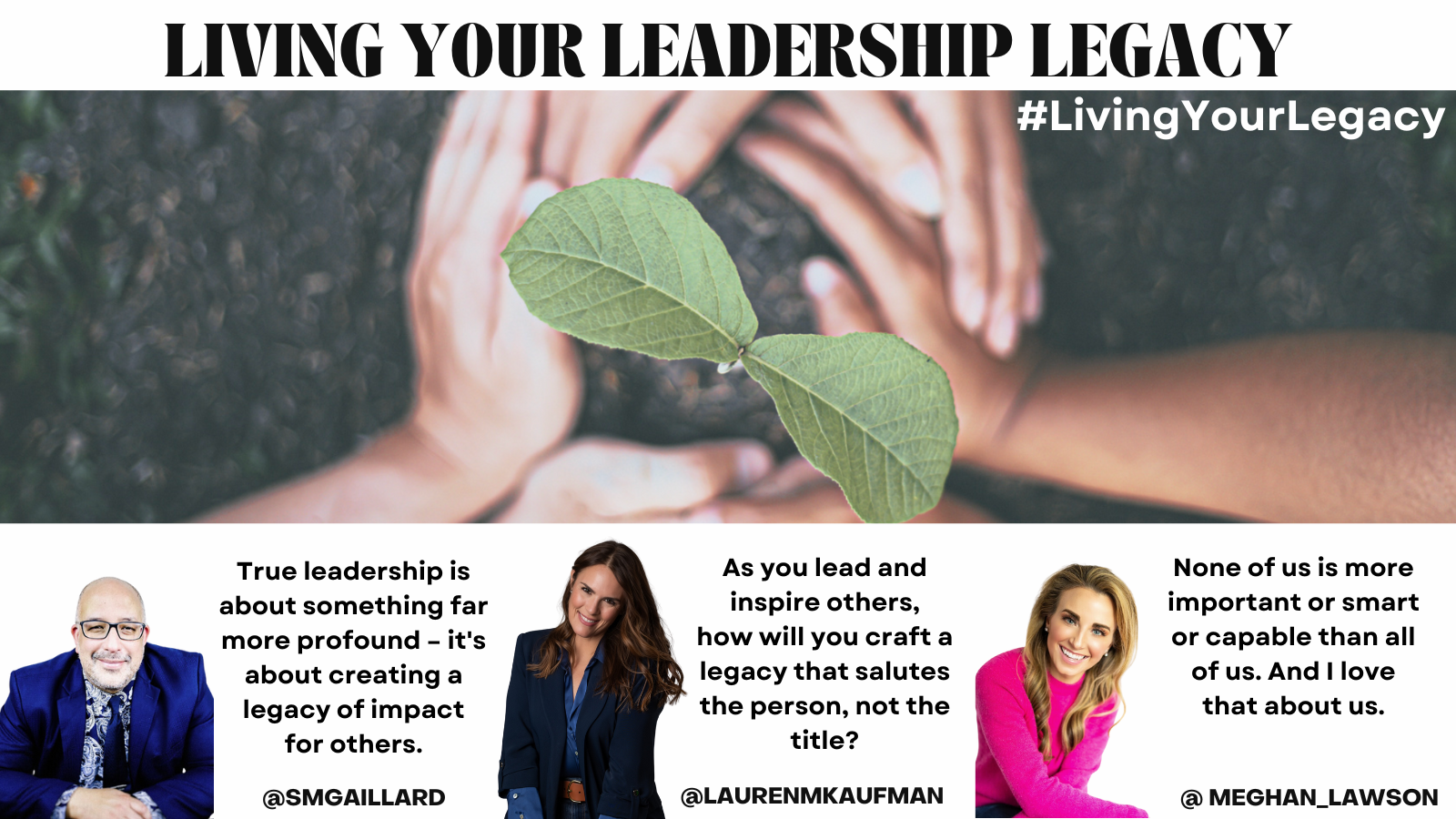
Leadership isn’t a mere position; it’s a profound impact that transcends titles and authority. Within the structured confines of education, it’s easy to fall into the trap of hierarchical thinking, where leadership is mistakenly equated with power. True leadership is about something far more profound – it’s about creating a legacy of impact for others. –Sean
Leadership isn’t about being important. It’s about showing others how important and capable they are. Many people think of leadership as being first and in front. But living a leadership legacy means that we are willing to go first with what matters most. Being human. Being vulnerable. The rest of it is really cultivating the conditions and creating the systems needed to make the work well, work. And in a way that supports the humanity, learning, and contributions of all. – Meghan
Leadership is harnessing the gifts that are manifesting within. It’s letting others recognize their potential by planting seeds that they can nurture and grow. Leadership is a privilege that empowers others and unlocks potential. In a recent episode of the How To Academy Podcast, best-selling author David Brooks shared, “The kind of attention you cast on the world determines your way of being in the world.”
So, I ask, what kind of attention will you cast on the world to nurture and inspire those around you?
How will you shape a leadership legacy that leaves a meaningful, lasting impact?” – Lauren
In my leadership journey, I’ve come to realize that the most effective leaders aren’t the ones who wield authority like a blunt instrument, but rather those who embrace collaboration as their guiding principle. These leaders understand that their true power lies not in their own capabilities, but in their ability to empower and uplift those around them. –Sean
Living a leadership legacy means that we don’t wait until we are perfect or the work is perfect to take action. If we continue to only invite people into our schools, our classrooms, our work, our planning and collaboration when we’ve deemed it to be perfect, then we’ve made this work something that only perfect people do. There are no perfect people and there is no one right way or perfect plan. There are simply people. The willing. And that is more than enough to make progress in schools, communities, and in this world. – Meghan
As I have navigated close to two decades in education, I have discovered that I am a natural observer of people. I take great interest in what others say, do, and act on. I look closely at the body language, reactions, and the responses of others. I try to understand others’ perspectives and have empathy for the hidden stories I cannot see. Let me be clear, I’m not perfect. I have learned to embrace my mistakes as opportunities to learn and have the desire to improve for the benefit of those I serve. –Lauren
I’ve been fortunate to have crossed paths with such leaders – individuals who set aside their egos and fostered an environment where everyone could shine. They didn’t see themselves as the sole architects of success; instead, they recognized the inherent leadership potential in others and worked tirelessly to nurture it. –Sean
It’s the way we show up, treat others, and do the work that gives us real, lasting impact. Not our titles. – Meghan
Growing up, I was fortunate to have leaders exemplifying their legacies around me, with my Dad at the forefront. He is a highly respected educator known for prioritizing people. I still hear former students consistently express gratitude for his kindness and the lessons learned from him since he taught in my hometown, where I currently live. Although he didn’t hold a formal leadership title, his influence is undeniable. He inherited this ethos from his father, a community leader dedicated to serving others. Through the years, I’ve sought my Dad’s counsel, and his mantra resonates: “Salute the person, not the title. There is a leader living inside us all.” –Lauren
For me, the moment of clarity came when I was invited by my principal to participate in a schoolwide project. I was surprised that my principal invited me. I didn’t think of myself as a leader in my role as a classroom teacher. I remember being so uplifted and inspired by his invitation. As we gathered together, I looked around the room and I could see that it was a diverse group of individuals. We all came from different departments and levels of experience. The principal cleared his throat and shared such a compelling statement. His words, spoken with genuine belief in our collective potential, still resonate with me today: “You all possess a gift that I need you to share that’s going to help a lot of kids in our school.” In that simple yet profound statement, I saw the essence of true leadership – the ability to recognize and harness the strengths of others for the greater good. –Sean
In my seventh year of teaching, I could feel that I needed something different. I could just feel that I was restless and stagnating. I applied for a teaching job in a neighboring school district. I didn’t get it. When I didn’t get it, I thought, “Wow, now what?” We really have two choices in any situation. We can change where we are and if we can’t change where we are, we change ourselves in the situation. I spent the next year invested in showing up as the kind of person my classroom, my school, and my students needed but mostly, the kind of person I needed. At the end of that next school year, I accepted a job in that same school which had turned me down for a teaching position, but this time as an assistant principal. The most important work we do is the work we do on ourselves. Everything else is secondary. – Meghan
When reflecting on the people I have saluted throughout my life in any capacity, the common gifts they possess are their ability to lead through inspiration. They are people who were living their leadership legacy. I can still hear and see the leaders who didn’t limit my potential, instead, they fueled it. When I formally stepped into leadership, I think about those interactions that shaped the leader I am still becoming. So, as you lead and inspire others, how will you craft a legacy that salutes the person, not the title? –Lauren
Leadership is a calling, but it’s one that often goes unheard amidst the noise of self-doubt and missed opportunities. Yet, all it takes is a single invitation, a gesture of belief from someone who sees the untapped potential within us. As leaders, it’s our duty to extend that invitation, to create space for others to step into their own greatness. –Sean
In the dynamic realm of education, the true measure of leadership lies not in titles or accolades, but in the profound impact we have on the lives we touch and the futures we shape. The past pandemic has underscored the necessity for adaptive leadership that responds to the ever-changing landscape of our world. As we reflect on our roles, let us strive to leave behind a legacy defined by meaningful impact, one that empowers others rather than glorifies ourselves. Let us become the catalysts igniting the flames of leadership in those around us, guiding them towards realizing their full potential. Ultimately, genuine leadership transcends personal recognition; it resonates in the ripple effect of our actions, the lives we inspire, and the futures we shape. –Sean
“We’re all just walking each other home.” – Ram Dass
None of us is more important or more smart or more capable than all of us. And I love that about us. – Meghan
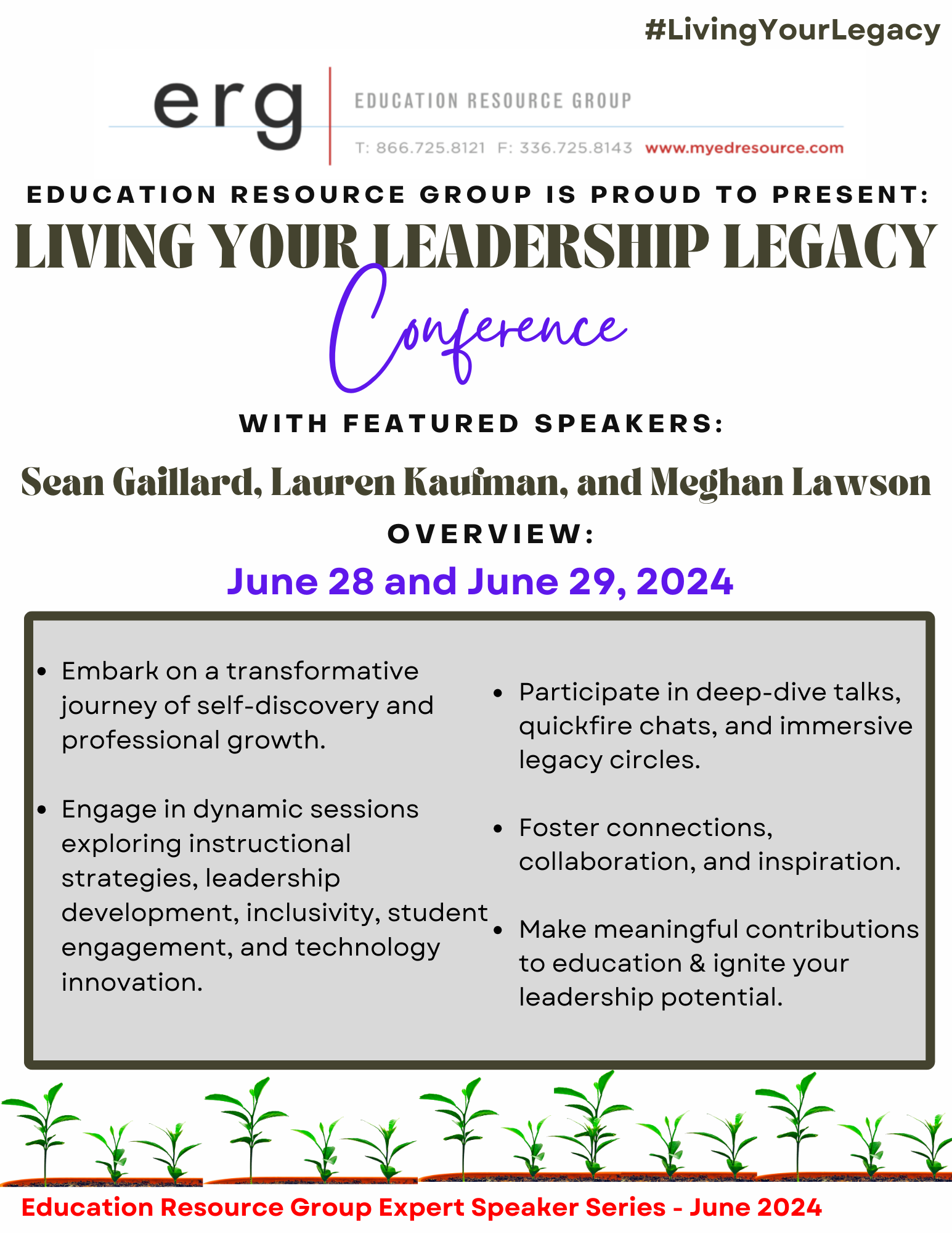
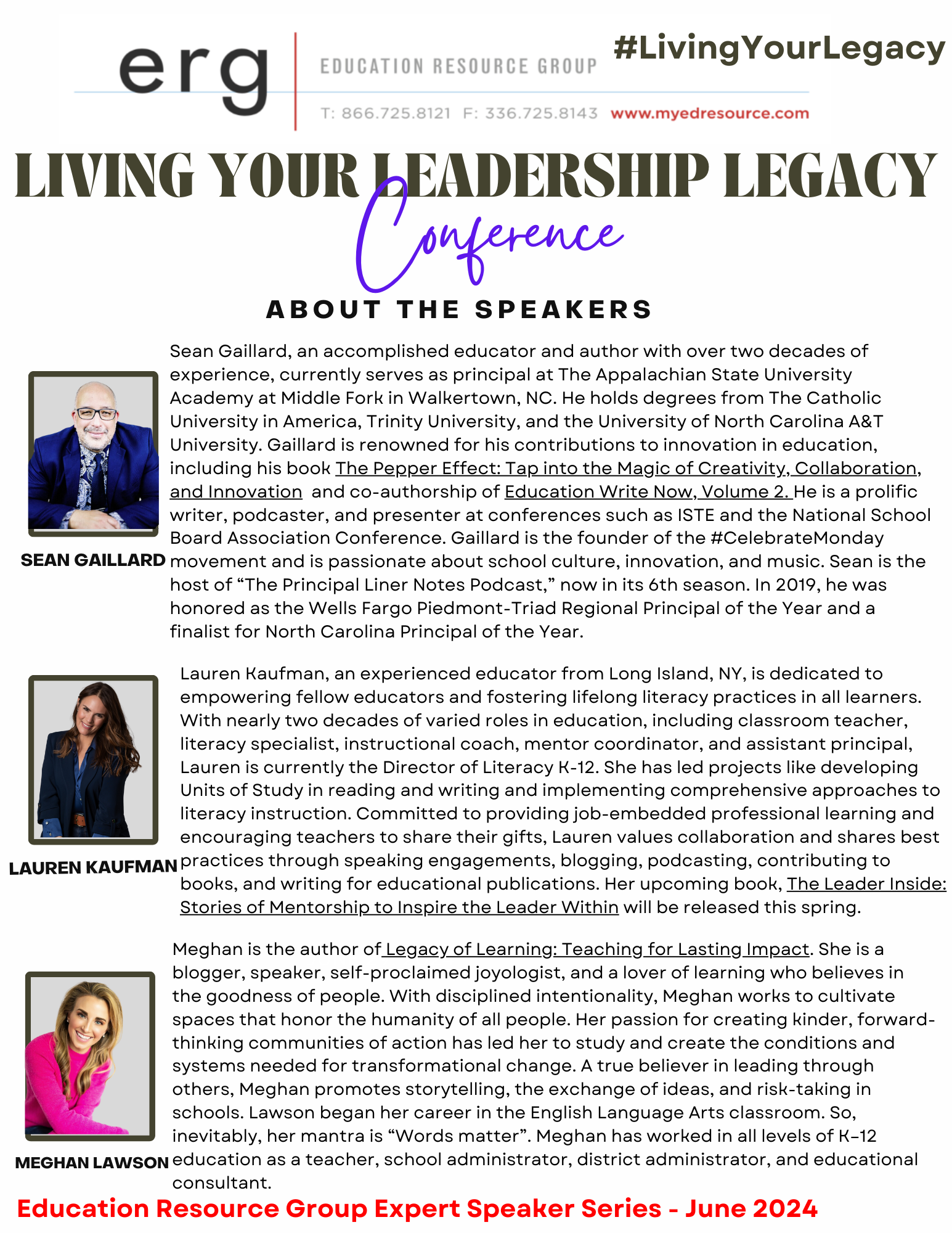
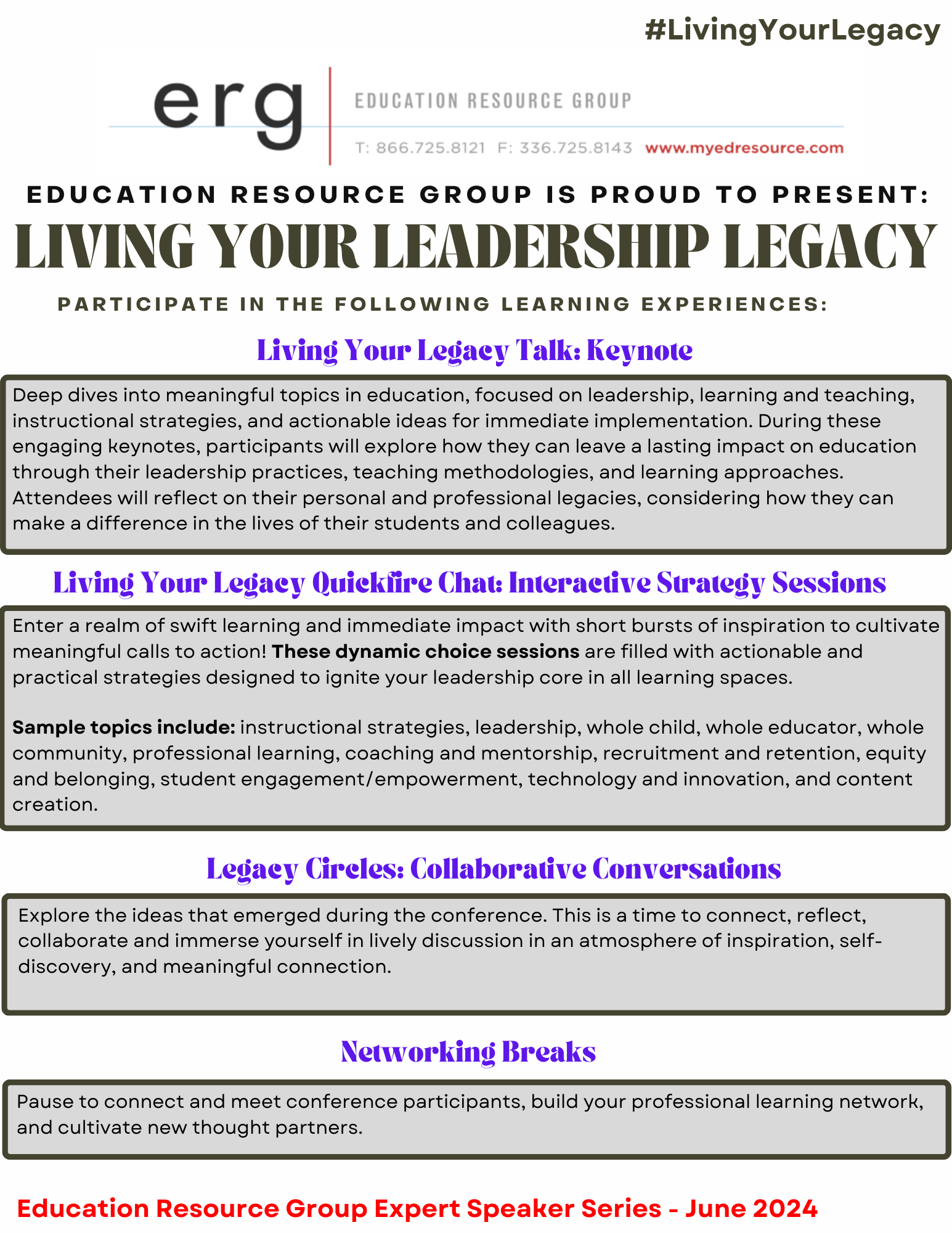
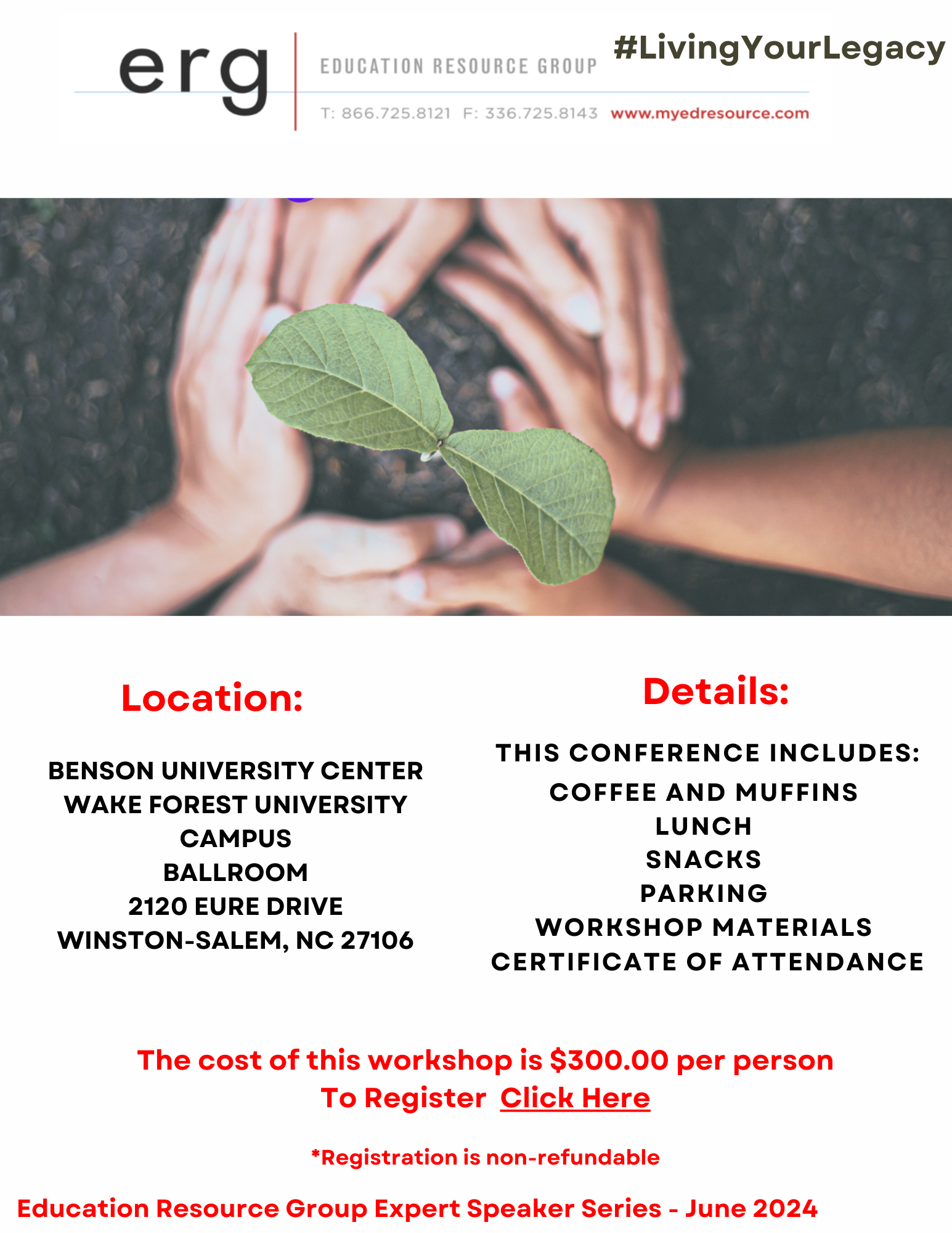
In collaboration with ERG (Education Resource Group), Sean Gaillard, Lauren Kaufman, and Meghan Lawson invite you to join the Living a Leadership Legacy Conference where we will explore the themes of empowerment, collaboration, nurturing potential and much more. Join us as we delve into strategies for leaving a meaningful impact and igniting the leadership legacy of others. See more details below! REGISTER HERE
In the realm of music, Daniel Lanois stands as a legendary figure whose influence spans over four decades. While his name might not be immediately recognizable to all, his impact on the industry is profound. As a producer, Lanois has lent his talents to iconic albums by artists such as Bob Dylan, Willie Nelson, Peter Gabriel, Emmylou Harris, and The Neville Brothers. Yet, perhaps his most celebrated collaboration was with the legendary band U2, co-producing landmark albums like “The Unforgettable Fire” and “The Joshua Tree.”
Recently, a friend shared a video interview of Lanois discussing the making of U2’s groundbreaking album, “Achtung Baby.” In the interview, Lanois exudes humility as he reflects on the creative process behind the album. His simple yet profound philosophy on his role as a producer struck a chord with me: “Listen, man, when I go in the studio, it’s head down, get the job done, be creative, support the house philosophy, obey the house rules, deliver a masterpiece, and get on with your life.”
Lanois’ words resonate far beyond the realm of music production. They speak to the essence of leadership—of guiding, supporting, and inspiring others to achieve greatness. Just as Lanois supported U2 in creating a masterpiece, leaders in education must foster an environment where every member of the community can contribute their unique gifts towards a shared vision of excellence.
True collaboration goes beyond mere lip service. It requires leaders to tune into the strengths of those they serve and to relentlessly invite everyone to share their gifts. This means moving beyond the superficialities of titles and status and embracing a genuine appreciation for the diverse talents within the organization. By doing this we help to nurture a culture abounding with a sense of belonging and psychological safety.
As leaders, we must cultivate a culture of collective efficacy—one where every individual feels valued and empowered to make a meaningful contribution. Just as Lanois stepped aside to let U2’s vision shine, leaders must remove barriers and facilitate the emergence of greatness within their teams. Lanois’ move was a true leadership move. He put his ego aside in service of supporting the band’s vision.
Authentic collaboration, grounded in a deep appreciation for the strengths of others, is the key to creating masterpieces in education. By shifting our mindset from mere task delegation to the intentional celebration of each individual’s gifts, we can elevate our schools and districts to new heights of excellence.
Let us heed the wisdom of Daniel Lanois and strive to deliver masterpieces in our own realms of leadership. Let us keep our heads down, focus on the work, but also hold them high to acknowledge and celebrate the contributions of others. Together, we can create timeless works of art that positively impact the lives of students and educators for generations to come. Who knows? With dedication, collaboration, and a commitment to excellence, we may just produce our own “Achtung Baby.”
4 Leadership Moves for Nurturing Collaboration
1. Individual Strength Scouting Walks: Visit classrooms and learning spaces without an evaluative lens. Spend time in these spaces with the intention of finding strengths in the people you serve. Take note of these strengths and curate a list for future reference. It’s always important to leave a note of gratitude for that teacher and cite a specific strength you experienced being demonstrated.
2. Strength-Based Follow Up: Take a couple of minutes and invite conversation with that teacher. Share the specific strengths and gifts you witnessed. A conversation filled with warmth and support from the leader goes a long way in building psychological safety for others.
3. Team Strength Scouting Walks: What if the school leader inviting others to join in Strength Scouting Walks? You can really shift the mindset on classroom walkthroughs and instructional rounds by encouraging others to join you in finding strengths in action in the schoolhouse.
4. Strengths Curation: There are many tools out there to survey staff on their individual strengths. Using Gallup’s Strengths Finder or Patrick Lencioni’s The Six Types of Working Genuisare great resources to curate the strengths of everyone in the schoolhouse and district. School leaders can follow-up with team-based activities to curate the strengths of the entire faculty and have a resource for others to refer to when building efforts for collective efficacy.
You can view the interview with Daniel Lanois here:
In the grand tapestry of music history, there’s a chapter that resonates deeply with those of us seeking inspiration in our own journeys. It’s the story of The Beatles, that legendary band whose rise to stardom seemed like a fairytale, but whose beginnings were marked by struggle and rejection.
Before they were hailed as icons of Beatlemania, before their records flew off the shelves and stadiums echoed with the screams of adoring fans, The Beatles were just four lads trying to make their mark. They faced empty venues, disinterested audiences, and the harsh sting of rejection from record labels. Yet, amidst these challenges, they clung to a shared vision, a dream that propelled them forward despite the odds.
One particular anecdote from their early days shines brightly as a beacon of leadership and resilience. Picture this: John Lennon, the soulful voice and guiding force of the band, rallying his comrades with a simple call and response:
John: “Where are we going, fellas?”
The Band: “To the top, Johnny!”
John: “And where’s that, fellas?”
The Band: “To the toppermost of the poppermost!”
In those moments of doubt and adversity, Lennon embodied the essence of leadership – a potent blend of motivation, compassion, and unwavering vision. They shared what Eric Jensen aptly terms a “gaudy goal,” an audacious dream to transcend boundaries and become the very best.
Reflecting on this story, I’m reminded of my own journey as a leader. Like The Beatles, we all encounter setbacks and moments of uncertainty. It’s easy to lose sight of our purpose, to succumb to the weight of despair. Yet, in those dark moments, we must summon the courage to fix our gaze upon the horizon and press onward.
I recall a pivotal moment when a wise colleague shook me from my reverie of doubt. With a gentle yet firm reminder of my purpose, she urged me to lift my head high and embrace the mantle of leadership. It was a wake-up call I sorely needed, a beacon of light cutting through the fog of self-doubt.
This wise colleague was our school secretary. She gave me a very much needed quick wake-up call when I was facing a setback and I was wearing every bit of it on my sleeve. I was walking into her office with my head hanging low and looking like a poster child for The Blues. She simply told me:
“Remember your purpose. Fix your face and go be our principal.”
It was truly a stark moment, but it was the moment I needed. I had a responsibility to not only get out of my doldrums, but I had to remember that I had others relying upon me. It is totally acceptable to pause in the moment and be human. I also needed that verbal kick in the pants to get back into my core as a leader and remember why I started the gig there in the first place. Her words energized me, and I ended up having a better rest of the day.
Later that day, I made it a point to thank our school secretary. I shared my gratitude at her sincere honesty and comfort with calling her principal out in a good way. I really needed that. I shared and I asked her to never hesitate for calling me out again. She was modest in her acceptance of my thanks. I did ask that she continue to give me that motivating push if she ever caught me slipping into the leadership blues. She smiled and gladly acquiesced to my request. It’s important to express our gratitude but to also find trusted colleagues who will take the time to motivate and help us stay focused on our purpose.
Gratitude, too, plays a crucial role in our journey. We must acknowledge those who uplift us, who lend a helping hand when the path grows rocky. In expressing our thanks, we foster a culture of support and encouragement, one where each member plays a vital role in the collective pursuit of greatness.
Leadership, I’ve come to realize, extends far beyond titles and accolades. It resides in the depths of our being, in the unwavering commitment to empower and uplift those around us. It’s a journey of self-discovery, of embracing our humanity and vulnerability, even as we strive to inspire others to reach new heights.
So, as we navigate the winding road of leadership, let us remember the lessons of The Beatles – the power of shared vision, the resilience in the face of adversity, and the importance of staying true to our purpose. Together, let us soar to the toppermost of our own poppermost, igniting the flames of inspiration in every heart we touch.
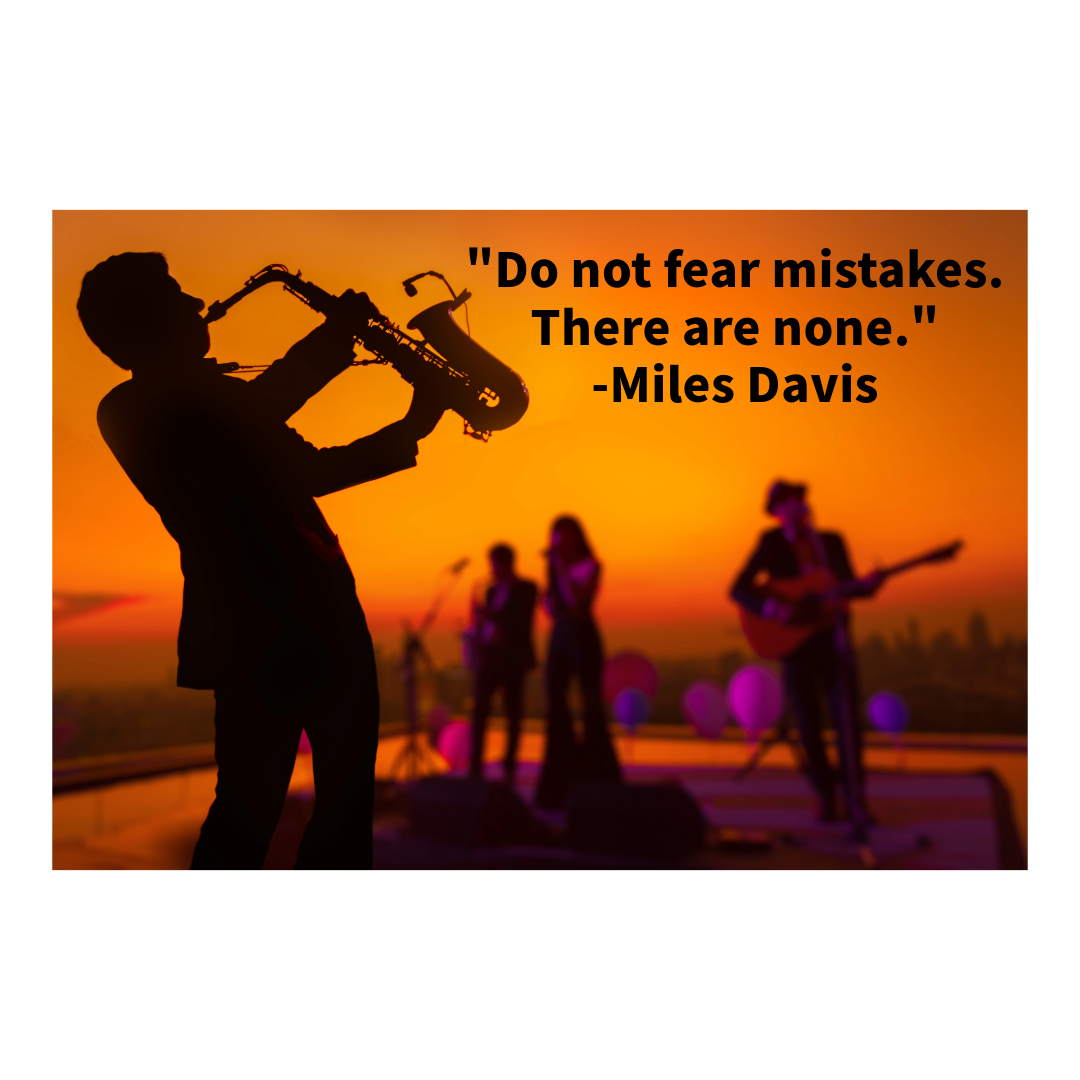
The great Jazz pianist and composer, Herbie Hancock, shares an oft-told tale about his tenure playing with Miles Davis. You were covered under a mantle of protection in his Miles’ band because he trusted you. This trust was forged in the ethos of the band. If you played a mistake during a gig, Miles would play your mistake as if it were meant to be all along. Somehow he would play the wrong notes in a way that impelled them to feel as they naturally belong in the song. Hancock shares that Miles felt a responsibility to find a place for the mistake in the scope of the song.
Click the video clip below to hear Herbie Hancock’s story:
I am on a constant quest for meaning and purpose in leadership. My wellspring of inspiration flows from the profound lessons enshrined in music. Whether orchestrating a band or leading an organization, we are certain to encounter mistakes stemming from those we guide. The pivotal question is: how do we react when a mistake occurs? Do we diligently cultivate an environment of psychological safety, fostering the resilience of our companions in the face of adversity? Within an organization, a relentless pursuit of perfection stifles, obstructs, and fuels burnout. Embracing the ethos of Miles Davis, acknowledging the absence of mistakes, engenders an environment teeming with creativity and emboldens risk-taking.
Playing the mistake requires that leaders are in tune with the gifts and strengths of the people they support. Simply put, know your people and value their strengths. Miles Davis knew his bandmates after dedicated time for rehearsal and live performance. He was also open to possibilities and knew that mistakes formed boundaries and inhibitions. Leaders must have this same mindset. Being open to the possibilities that mistakes foster can lead to dynamic new ideas. Most importantly, re-shifting the paradigm on mistakes empowers others
Next Moves for Dynamic Leadership Action:
1. Connect with your team on what constitutes a mistake in your action.
2. Create trust and establish how you will respond as a leader when a mistake occurs.
3. After a mistake occurs, debrief and share with the team how the mistake pivoted the team forward.
As someone who proudly wears the badge of a “Beatles Encyclopedia,” my journey in music appreciation is a perpetual adventure. The joy I derive from delving into the world of music, particularly the legendary band that holds a special place in my heart, knows no bounds. If you were to step into my home office, you’d find it adorned with shelves filled to the brim with books dedicated to none other than “The Beatles.” I’ve devoured so many books over the years on this iconic band that I could probably recite passages from memory. (I’d likely be of little help in the book refuge depicted in Fahrenheit 451!)
Currently, my literary journey has led me to “The Lyrics” by Paul McCartney. Released just last year in hardcover, I couldn’t resist adding the paperback edition to my collection. This remarkable book sees McCartney opening up about the stories and personal anecdotes behind the songs that defined his tenure with The Beatles and his solo career. In the book’s introduction, McCartney shares an anecdote from the early days of The Beatles that, surprisingly, I had never encountered before.
Let me share a quick recap. Picture the scene: The Beatles, in the nascent stages of their career, find themselves on a wintry night journeying between gigs. Suddenly, their van skids on ice, careening off the road and down an embankment. Miraculously, no one is hurt, but they’re left stranded. Amidst the chaos, McCartney recalls a pivotal statement uttered by someone in the band: “Something will happen.” This simple phrase quickly became a rallying cry for The Beatles whenever faced with adversity or uncertainty. I try to envision when this statement would echo at various stages during The Beatles trajectory as a band. It is a tantalizing game to play in imagining when this line would be appropriate.
The profound simplicity of this statement struck a chord with me as I immersed myself in McCartney’s book. It served as a poignant reminder that even the idols we admire are, at their core, human. “Something will happen” encapsulates a resolute hope, reminding us that amidst seemingly insurmountable odds, the realm of possibility remains wide open.
Reflecting on this mantra, I couldn’t help but draw parallels to my own journey as a principal and school leader. In the face of daunting challenges, “Something will happen” embodies a steadfast belief in the power of resilience and perseverance. It speaks to the essence of our roles as leaders, tasked with navigating complex landscapes against all odds. We have to tune into possibilities on a daily basis. Additionally, we have to encourage others to tune into possibilities as we educate and empower the kids we serve.
Recently, our team encountered a situation demanding swift action and collaboration. In its aftermath, I found myself echoing a similar mantra to reassure my colleagues: “We responded. We were there for others.” I have echoed this statement many times as a leader to serve as a salve for others who support during a crisis. This instance brought to mind The Beatles and their mantra, reinforcing the notion that amidst uncertainty, hope prevails.
My mantra, “We responded,” shares the same essence and intention as The Beatles’ rallying cry. As leaders, it’s our responsibility to provide comfort and empowerment through compassionate words and actions. Whether serving as a soothing balm in times of crisis or bringing clarity to chaos, our words hold the power to inspire and uplift. Being intentional with our words is a necessary move as a leader. We are the navigators of our narrative and we must choose our words with care, compassion, and intention.
Stepping back and reflecting on our experiences is not just advisable; it’s imperative for effective leadership. Taking stock of our decisions and actions allows us to glean valuable insights and pave the way for growth. In the end, it’s the simple yet profound words—whether “Something will happen” or “We responded”—that ignite the spark of hope and resilience in those we lead.
Next Moves for Dynamic Leadership Action: Reflection on Communication
-Reflect: Find intentional time to reflect on the words you use as a leader to comfort or inspire during a crisis.
-Write: Jot down those words and statements you use. Reflect upon the meaning and intention in each of those words. Do they empower? Do they avoid judgement or placing blame?
-Share: Find a trusted thought partner and share words to gain feedback and growth.
-Connect: With people you serve and collaborate, take time as a group to discuss words used during a crisis. Establish kinship and understanding along with ensuring that meanings are understood.
Whether serving as a soothing balm in times of crisis or bringing clarity to chaos, our words hold the power to inspire and uplift. Being intentional with our words is a necessary move as a leader. We are the navigators of our narrative and we must choose our words with care, compassion, and intention.


 Leadership Liner Notes: Sean Gaillard