As I write this, the early morning hours find me awake, wrestling with insomnia. It’s around 3:00 a.m., and in the quiet solitude, I decide to revisit this blog. Against my better judgment, I check the stats on a recent post. I know the adage, “Comparison is the thief of joy,” but still, I fall into the trap.
The numbers aren’t encouraging. They stir up a flood of past memories—times when my efforts seemed to fall flat. The book giveaway that garnered no participation. The speaking engagement with an empty room. The book study I excitedly promoted, only to find no one signed up.
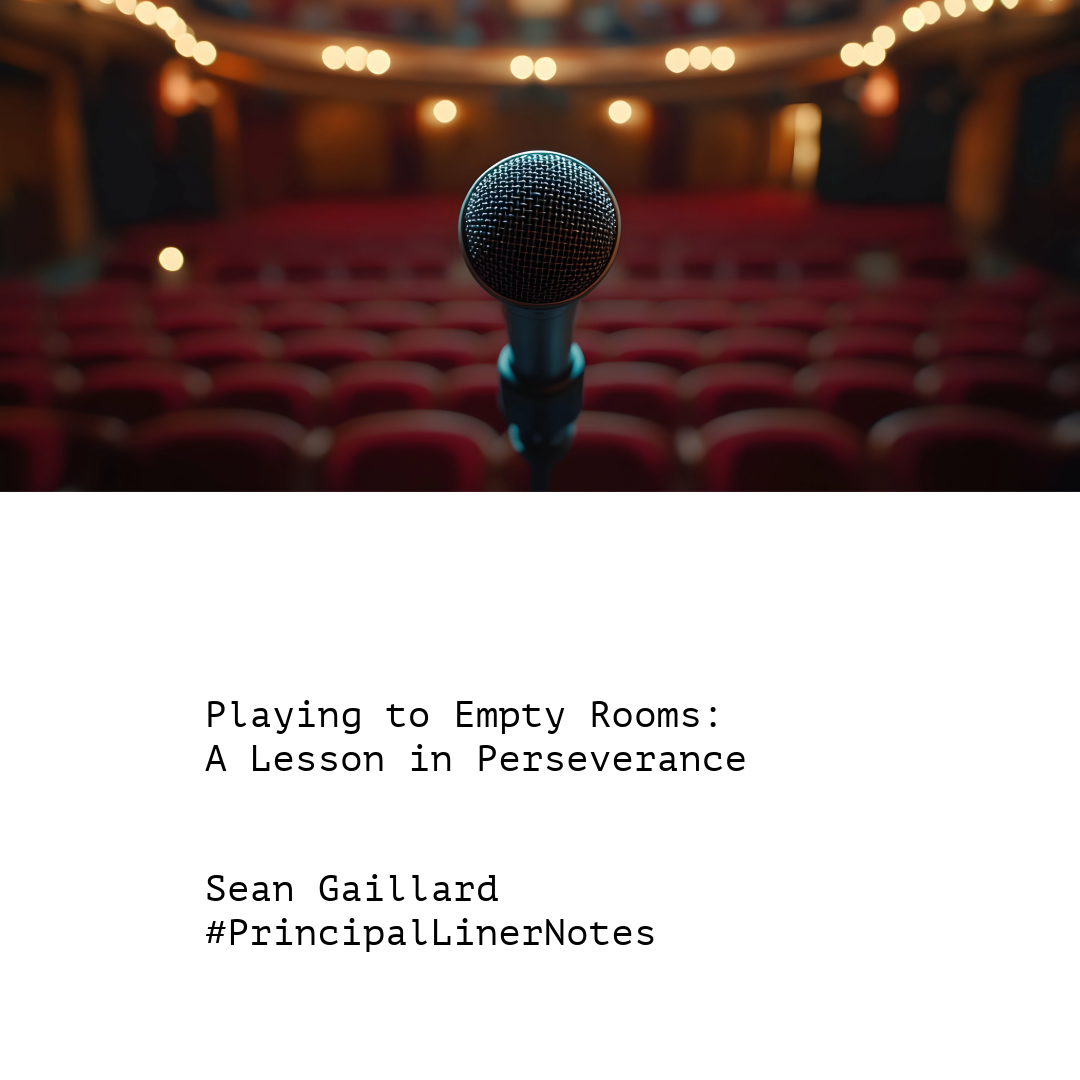
I have played to empty rooms. It’s a gut-wrenching experience. You pour your heart into your work, stepping vulnerably onto a stage without a net, only to be met with silence. It feels like validation of your worst fear: that your voice doesn’t matter. That your efforts aren’t enough. The doubt can spiral quickly, pulling you into an abyss that’s hard to climb out of.
I find myself wondering about the lack of engagement with my writing. I tag others and hear no response. I try to support others when tagged, yet often feel like I’m shouting into the void when I press Publish.
Before I sink too deep into this whirlpool of self-doubt, I pause and take a cue from The Reset Mindset by Penny Zenker, a book that has been a lifeline for me recently. The concept of resetting resonates deeply. It’s about an intentional pause—a mindful shift in perspective to open the door to new possibilities. Resetting means revisiting your core purpose and recalibrating your moves with intention.
So here, in this moment of doubt, I reset.
Why do I write? It’s not for stats, clicks, or reposts. It’s for connection. Writing is my bridge—to myself, to others, and to meaning. It’s a way to foster belonging, to reflect, and to find resonance with others navigating the lonely and challenging paths of leadership.
When I embrace this reset mindset, I remember: this moment of doubt is just that—a moment. It doesn’t define me or my work. My writing is not about chasing external validation; it’s about helping others seek meaning in their own leadership journeys. It’s about creating space for reflection and connection.
I remind myself of the moments that truly matter: the time a struggling reader reached out with gratitude after finding solace in my book. The fulfillment of a lifelong dream in publishing a book, The Pepper Effect. The joy of being invited to speak at upcoming conferences like FETC and the North Carolina Middle School Matters Conference. These are the moments that validate my voice and purpose.
And then, as I often do, I think of The Beatles.
In December 1961, before Beatlemania, before sold-out arenas and screaming fans, The Beatles played a gig at the Palais Ballroom in Aldershot. A booking error left the show poorly promoted, and only 18 people attended. Imagine it: the band that would change the world, performing in near obscurity.
But they didn’t let it break them. They played on, laughing and joking through the set, treating it as an opportunity rather than a failure. That moment was just one small chapter in their story—a necessary step on the path to greatness.
Failures happen. We stumble. We fall. And yet, like The Beatles, we get back up and keep playing.
As I stand in my own empty room—whether as a writer or a leader—I hold fast to my purpose. We all must. The value of our voice, our vision, isn’t determined by the size of the audience. It’s found in the connection with that one reader, that one listener, that one colleague who sees and understands your purpose.
When you play to empty rooms, remember: it’s not the end. It’s a pit stop—a chance to hone your craft, to reset, and to move forward.
Someone out there needs your voice. Someone out there is better because of your vision. Take heart in the small moments of connection and press on.
Each moment—success or setback—is a step forward in this journey of leadership and perseverance. Let’s keep playing.




 Leadership Liner Notes: Sean Gaillard