As many of my close friends and family know, I am a nervous flyer. Over the years, I have had to face this fear head-on, seeking the support of a therapist and using strategies, including medication, to overcome the challenges of flying. While it hasn’t been easy, I’m proud of my ongoing efforts to confront this fear.
Flying isn’t something I do often—time and expense tend to be barriers—but recently, I had the opportunity to attend the National Education Leaders Workshop in Atlanta. It was an incredible event, full of ideas on reimagining teaching and learning in the schoolhouse. To experience it, though, I had to book a flight.
Before the trip, I reviewed my strategies with my therapist and felt optimistic. For the first time in a long while, I didn’t feel that familiar pit of anxiety in my stomach as I prepared for the flight. Instead, I felt calm anticipation.
As I sat at the gate with my colleagues, I began to notice small, powerful moments unfolding around me. At one point, a pilot walked out—likely heading for a quick coffee—and spotted two young boys playing with a toy plane. He knelt down to greet them warmly, telling them how excited he was to have them on his flight. Then, he invited them and their parents to visit the cockpit before takeoff. Later, as I boarded, the gate agent greeted each passenger—including me—by name. Touched by her effort, I made sure to thank her personally, using her name from her nametag.
These intentional acts of connection helped dissolve any lingering nervousness I had about the flight. They also served as a powerful reminder of the importance of small, meaningful gestures in leadership. Witnessing those moments inspired me to think about how such intentional actions could foster trust and belonging in the schoolhouse, reaffirming my commitment to creating a culture of connection in our community. The flight itself was smooth, and I even shared a lighthearted exchange with the pilot, who joked about our shared baldness. These small yet meaningful moments reminded me of a recent book I read, Unreasonable Hospitality by Will Guidara. It’s a must-read for leaders who want to create cultures of connection and build meaningful moments within their organizations. Check out the book here.
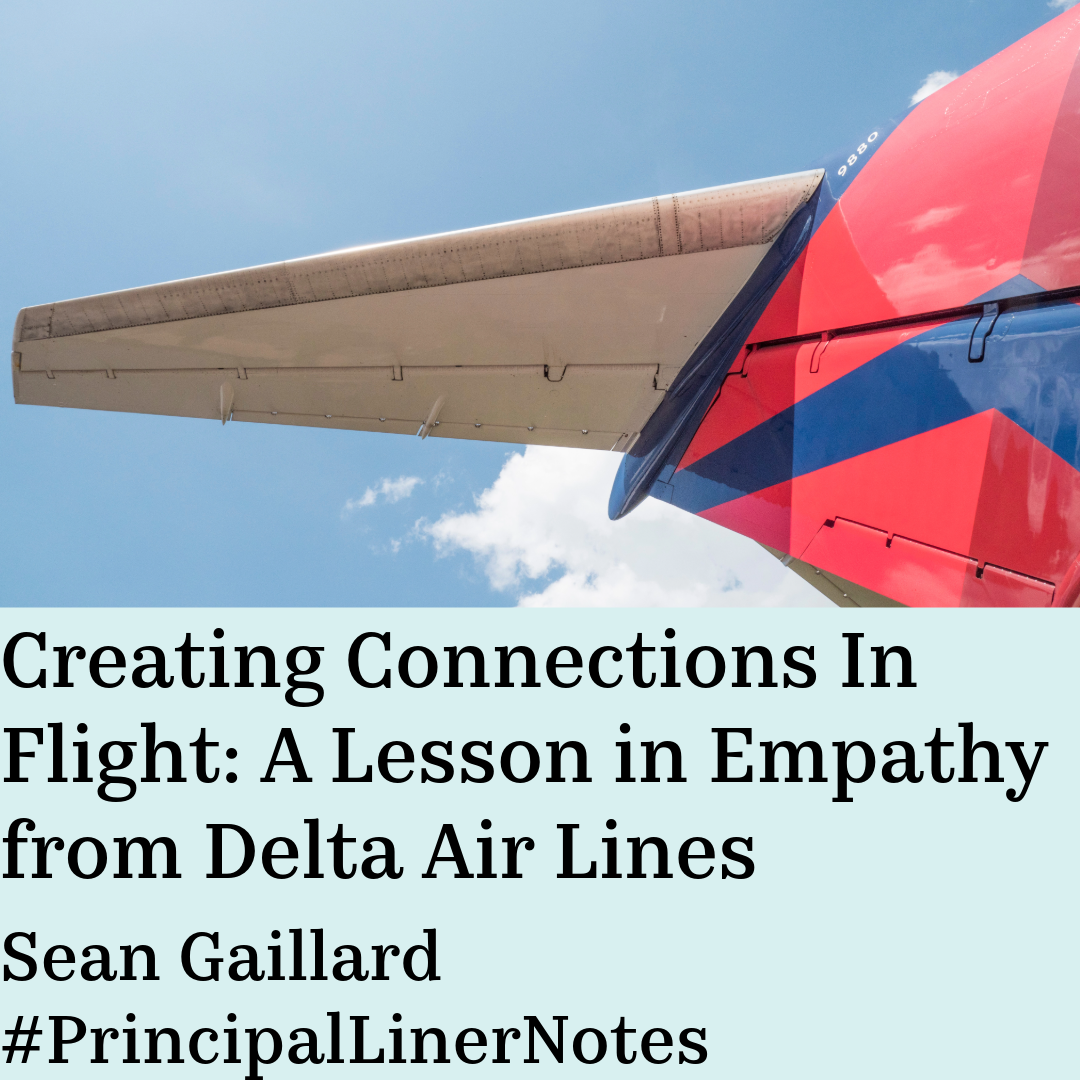
Delta Airlines demonstrated a commitment to humanity and empathy during that flight, and it left a profound impact on me. Their intentional gestures—from personalized greetings to creating special moments for passengers—highlight the power of thoughtful actions. As a school leader, this translates to practices like ensuring every student and teacher feels personally welcomed, celebrating achievements in visible ways, and creating opportunities for connection that make each person feel valued and supported. Their thoughtful gestures weren’t just routine—they were intentional, and they made me feel seen and valued. As a school leader, this experience reinforced my belief in the power of small yet meaningful actions to create a culture of connection in the schoolhouse.
Four Action Steps for Building Connections in Your Schoolhouse
- Greet Students and Teachers at the Door Be present and intentional at the start of the day. A warm greeting at the door sets a positive tone and ensures that everyone—students and teachers alike—feels seen and valued.
- Write Handwritten Notes Take time to write notes to teachers, celebrating the amazing things you see happening in classrooms. A personal, sincere message can uplift and inspire.
- Make Positive Phone Calls Home Share good news with families about their children. A positive phone call can build trust and strengthen relationships with parents and guardians.
- Surprise Your Team with Small Acts of Kindness Bring a favorite coffee order, leave a sticky note of encouragement on a desk, or organize a quick celebration to recognize milestones. These unexpected gestures build morale and community.
Building Psychological Safety
The Delta crew had no idea I struggled with flight anxiety, but their thoughtful actions created an environment where I felt safe and at ease. Similarly, in our schools, we may not always know the struggles our students, teachers, families, and staff carry with them each day. It is our responsibility to create an atmosphere of psychological safety—a place where everyone feels supported and valued.
Each act of connection, no matter how small, sends a powerful message: “You matter. We’re glad you’re here.” When we lead with hope and belief, we create ripples of positivity that can transform our schoolhouse communities. Let’s commit to making these moments a daily practice, knowing that our words and actions have the power to uplift, inspire, and connect.
 Leadership Liner Notes: Sean Gaillard