Playing to Empty Rooms: A Lesson in Perseverance

As I write this, the early morning hours find me awake, wrestling with insomnia. It’s around 3:00 a.m., and in the quiet solitude, I decide to revisit this blog. Against my better judgment, I check the stats on a recent post. I know the adage, “Comparison is the thief of joy,” but still, I fall into the trap.

The numbers aren’t encouraging. They stir up a flood of past memories—times when my efforts seemed to fall flat. The book giveaway that garnered no participation. The speaking engagement with an empty room. The book study I excitedly promoted, only to find no one signed up.

I have played to empty rooms. It’s a gut-wrenching experience. You pour your heart into your work, stepping vulnerably onto a stage without a net, only to be met with silence. It feels like validation of your worst fear: that your voice doesn’t matter. That your efforts aren’t enough. The doubt can spiral quickly, pulling you into an abyss that’s hard to climb out of.

I find myself wondering about the lack of engagement with my writing. I tag others and hear no response. I try to support others when tagged, yet often feel like I’m shouting into the void when I press Publish.

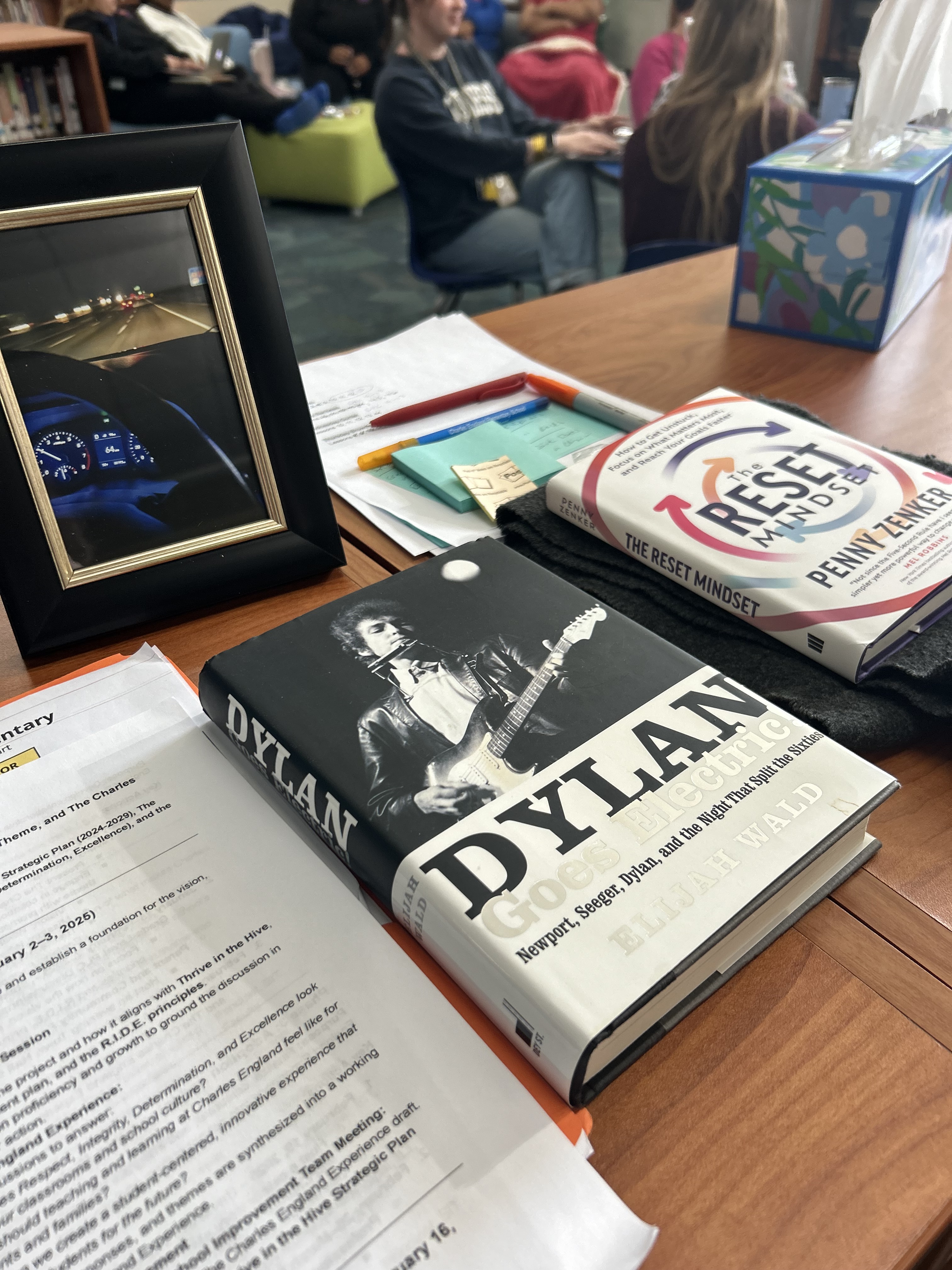
Before I sink too deep into this whirlpool of self-doubt, I pause and take a cue from The Reset Mindset by Penny Zenker, a book that has been a lifeline for me recently. The concept of resetting resonates deeply. It’s about an intentional pause—a mindful shift in perspective to open the door to new possibilities. Resetting means revisiting your core purpose and recalibrating your moves with intention.

So here, in this moment of doubt, I reset.

Why do I write? It’s not for stats, clicks, or reposts. It’s for connection. Writing is my bridge—to myself, to others, and to meaning. It’s a way to foster belonging, to reflect, and to find resonance with others navigating the lonely and challenging paths of leadership.

When I embrace this reset mindset, I remember: this moment of doubt is just that—a moment. It doesn’t define me or my work. My writing is not about chasing external validation; it’s about helping others seek meaning in their own leadership journeys. It’s about creating space for reflection and connection.

I remind myself of the moments that truly matter: the time a struggling reader reached out with gratitude after finding solace in my book. The fulfillment of a lifelong dream in publishing a book, The Pepper Effect. The joy of being invited to speak at upcoming conferences like FETC and the North Carolina Middle School Matters Conference. These are the moments that validate my voice and purpose.

And then, as I often do, I think of The Beatles.

In December 1961, before Beatlemania, before sold-out arenas and screaming fans, The Beatles played a gig at the Palais Ballroom in Aldershot. A booking error left the show poorly promoted, and only 18 people attended. Imagine it: the band that would change the world, performing in near obscurity.

But they didn’t let it break them. They played on, laughing and joking through the set, treating it as an opportunity rather than a failure. That moment was just one small chapter in their story—a necessary step on the path to greatness.

Failures happen. We stumble. We fall. And yet, like The Beatles, we get back up and keep playing.

As I stand in my own empty room—whether as a writer or a leader—I hold fast to my purpose. We all must. The value of our voice, our vision, isn’t determined by the size of the audience. It’s found in the connection with that one reader, that one listener, that one colleague who sees and understands your purpose.

When you play to empty rooms, remember: it’s not the end. It’s a pit stop—a chance to hone your craft, to reset, and to move forward.

Someone out there needs your voice. Someone out there is better because of your vision. Take heart in the small moments of connection and press on.

Each moment—success or setback—is a step forward in this journey of leadership and perseverance. Let’s keep playing.

Reflect and Reset for the New Year

Reflect and Reset for the New Year

As the year winds down and the calendar inches closer to 2025, I invite you to take a meaningful pause. My hope is that these words reach you during a moment of restoration, where you are embracing time with loved ones, reflecting on your journey, and finding opportunities to recharge physically, emotionally, mentally, and spiritually. Winter Break is a gift—a time to clear the noise and center ourselves as we prepare to lead with purpose into the new year.

This past year has been a challenging yet transformative one for me. I reflect on a pivotal moment back in February when a heart episode led to an ambulance ride and a stark reminder of life’s fragility. That experience set me on a path of healing, physically and emotionally. Renewing my dedication to fitness has been a much needed salve. Therapy has helped me confront and overcome anxiety, and the unwavering support of family and friends has kept me grounded. These challenges have not only renewed my faith but have also strengthened my resolve to serve with clarity and gratitude.

In 2024, I rediscovered the beauty of creation and connection. I launched three new podcast series (“Hope Amplified,” “Why The Beatles Matter,” and the upcoming “Chords of Connection”) and overcame my writer’s block to return to this blog, laying the groundwork for a new book. I also concluded “The Principal Liner Notes Podcast” with the feeling of satisfying closure and the hope of exploring new territories of expression. Most importantly, I learned to savor life’s small moments—the ones that weave together into a tapestry of hope, joy, and connection. Letting go of toxic ties and re-embracing meaningful relationships has been a powerful act of resetting my personal and professional compass.

The word “reset” has emerged as my guiding star for 2025. It first resonated with me during a professional development session on leadership, where I encountered Penny Zenker’s The Reset Mindset. Her definition of a reset mindset—“a way of thinking that focuses on dynamic reassessment and the willingness to reinvent”—perfectly encapsulates what leaders need to navigate challenges and inspire reinvention within their teams. The concept reappeared during a keynote at a leadership conference, and a trusted thought partner encouraged me to dive deeper into Zenker’s work. I’m savoring the insights from this book, which validates my journey and offers actionable steps for growth and leadership.

As we prepare to embrace 2025, I encourage us to adopt a Reset Mindset—one that empowers us to pause, reassess, and reinvent with intentionality. Here are four action steps for leaders to reset and lead with renewed purpose:

1. Take Intentional Time to Recharge Daily

Leadership can be all-consuming, but it’s essential to carve out moments each day to refuel. Whether through meditation, exercise, or simply a quiet moment with a cup of coffee, these intentional pauses restore our energy and focus. As Zenker notes, “recharge time” is not a luxury—it’s a necessity for clarity and effectiveness.

2. Revisit Your School’s Vision and Mission with the Faculty

The new year is an ideal time to recalibrate and ensure alignment with your team. Engage your faculty in meaningful conversations about your school’s vision and mission. Reflect together on what’s working, what needs reimagining, and how you can collaboratively set the course for a thriving 2025.

3. Read The Reset Mindset by Penny Zenker with a Thought Partner

Growth is amplified when shared. Invite a trusted colleague or thought partner to join you in reading The Reset Mindset. Use it as a springboard for dialogue, reflection, and the co-creation of strategies to navigate challenges and inspire reinvention within your school community. Discover The Reset Mindset here.

4. Pursue Personal Passions

Leaders are at their best when they bring their whole, authentic selves to the table. Dedicate time to personal pursuits that ignite your joy—whether it’s workouts, exploring new hobbies, or simply trying something new. These moments of personal fulfillment recharge our spirits and fuel our leadership.

Reflecting on 2024, I’m reminded of how my favorite band, The Beatles, exemplified the art of the reset. After the tumultuous 1966 World Tour, they reinvented themselves as “Sgt. Pepper’s Lonely Hearts Club Band,” creating a timeless masterpiece. Later, during the “Get Back/Let It Be” sessions, they overcame discord to perform live once again, rediscovering their connection as a band. These moments of reinvention hold lessons for us as leaders—to embrace change, foster collaboration, and find new possibilities amid challenges. Explore these stories in The Pepper Effect: Tap into the Magic of Creativity, Collaboration, and Innovation.

As I step into 2025, I carry forward the lessons of intentional resetting—a process that has given me clarity, optimism, and purpose. I look forward to the opportunities ahead, both in my personal journey and within the schoolhouse I am privileged to serve. Together, let’s reset, reassess, and reimagine a brighter future for ourselves and our school communities.

Here’s to 2025—a year of reinvention, resilience, and renewal.

Finding Our Bandmates: Leading with Belonging and Hope in Mind

There’s a powerful moment in the Ron Howard documentary, The Beatles: Eight Days a Week – The Touring Years, where Paul McCartney reflects on when Ringo Starr first joined the band. McCartney becomes visibly emotional as he recalls the moment The Beatles finally found their unique sound with Ringo’s drumming—the missing piece they’d been searching for. It’s a reminder of the magic that happens when people unite around a shared vision, truly seeing one another in that experience. That’s the heartbeat of any great band, and it’s the pulse that drives a meaningful school culture: connection.

Not every team operates like The Beatles, and not every organization feels that synergy. Even The Beatles had their ups and downs, but despite personal struggles, they continued to rally together. And in our schools, we, too, are called to cultivate that kind of connection, especially in times when loneliness and isolation can seem overwhelming.

A recent article in the Harvard Business Review highlights that one in five employees feel lonely at work. This statistic resonated with me as a principal because leadership can be an isolating role. Principals, often the only ones in their specific position, can feel a sharp sense of loneliness, especially when new to a school. Walking into a new environment, we’ve often left behind a place of familiarity and success and stepped into an unknown, where we may even be perceived as a threat. Building trust in these moments is essential but cannot be accomplished through quick fixes or shallow gestures.

It is also important to remember that the people we serve may be battling some form of loneliness as well. Human-centered work is a labor of love. For some educators in the schoolhouse, the work can be isolating. Individuals in the building may feel bereft of connection for a myriad of reasons. As leaders, we must be steadfast, sincere, and intentional in the steps we take to include those who are not experiencing connection or belonging.

As a principal who has navigated the challenges of turnarounds, I know that intentionality is key. Building trust takes time, and trust is essential for establishing the genuine connections that will combat isolation and loneliness for everyone in the school. As leaders, we must commit to meaningful interactions that empower others and foster a sense of belonging.

Getting into classrooms is one of the most valuable moves we can make as principals. Walkthroughs and observations are essential, but there are ways to build trust and connection beyond mere evaluation. Try hosting a “Read Aloud” or engaging in a “Question Aloud” or “Think Aloud” session. Sharing the written word—whether it’s a passage from an inspiring book or a content-related question—allows us to connect with students and teachers alike. A Read Aloud isn’t just for elementary levels; sharing language and stories can resonate at any grade level, and it’s a moment to be seen as a partner in the learning process rather than an evaluator.

In seeking these connection points, we’re also building pathways for collaboration. One approach I’ve found impactful is a practice I started a couple of years called #InstantPD. After observing a teacher excel in a particular area, I invite them to share a brief, 15-minute PD session for their colleagues. This optional, quick-format session provides a space for teachers to share their insights and build professional connections. As a leader, witnessing this shared growth not only strengthens my sense of belonging but also empowers our educators to connect with each other. This in turn creates authentic belonging and connection for them.

Our role as leaders is not only to combat our own loneliness but also to actively work against it within our schools. Some may be reluctant to join the “band” initially, but with intention and consistency, we can foster a culture where everyone feels they belong.

Conclusion

Hope is the ignition for belonging, and as school leaders, we must foster that hope in ourselves and those we serve. Just as Ringo’s drumming completed The Beatles’ sound, our consistent efforts to connect and include each person in our schools create harmony and a shared purpose. Building a culture of connection requires us to lean into that hope, step into vulnerability, and lead with compassion. Together, we can create school communities that resonate with trust, connection, and shared vision.

Action Steps for Combating Loneliness and Building Connection:

  1. Get Visible in Classrooms
    Make time for a Read Aloud, a Question Aloud, or a Think Aloud. These are powerful ways to build a sense of belonging by connecting with students and teachers on a personal level. Show up, engage, and share in the learning journey with your school community.
  2. Empower Teacher Leadership through #InstantPD
    Encourage teachers to share their strengths in optional 15-minute PD sessions. Not only does this build their confidence, but it also fosters a collaborative culture where colleagues can learn from each other in an informal, supportive environment.
  3. Build and Nurture Your Professional Learning Network (PLN)
    Connect with other leaders, both within your district and beyond, through online communities or local gatherings. A strong PLN can serve as a vital support system, helping you navigate challenges and celebrate successes together.
  4. Create Moments for Personal Connection
    Simple gestures like checking in with staff, sending a quick thank-you note, or organizing informal meetups can go a long way. Recognize and celebrate the unique gifts each person brings, reminding them that they are an essential part of the team.

By taking these steps, we can build a culture where loneliness is replaced with a sense of shared purpose, and every member of the school community feels seen, valued, and connected.